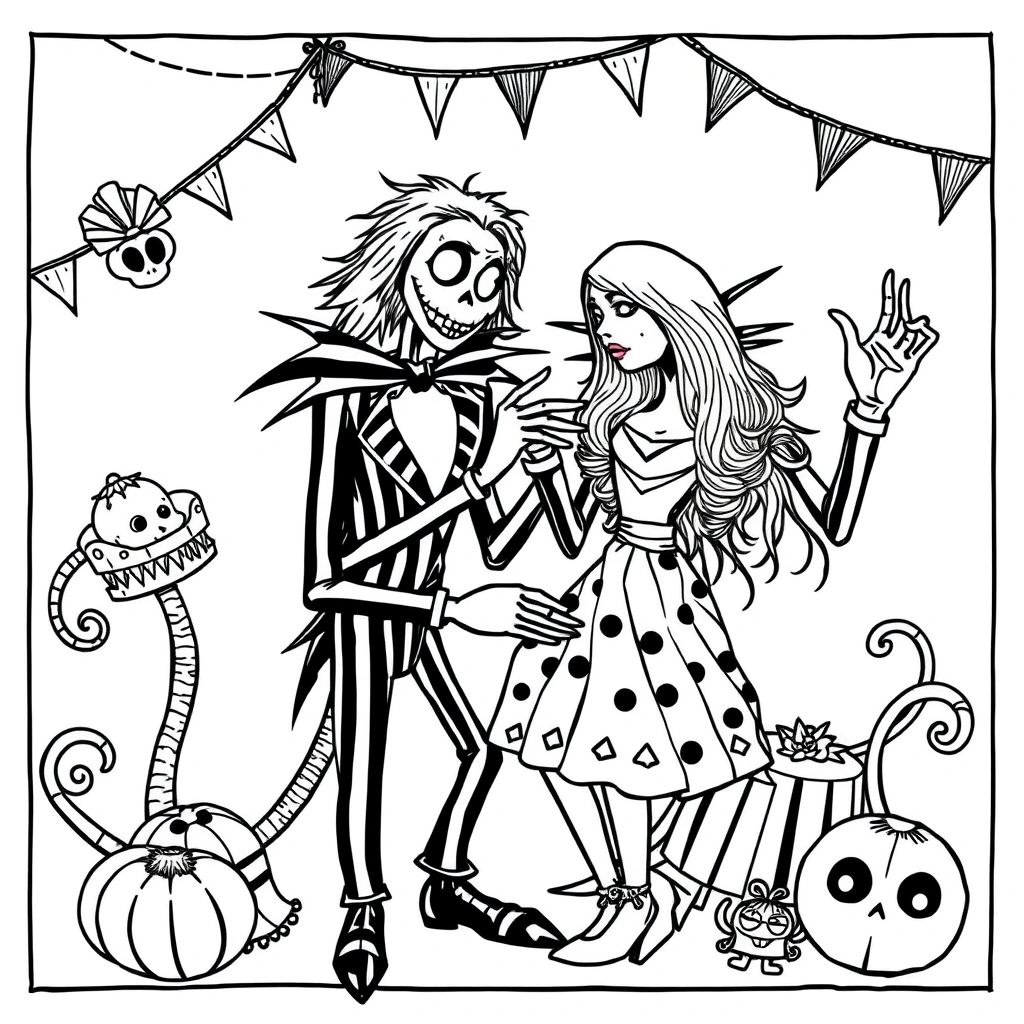
Beetlejuice and Lydia
Children can learn about the importance of friendship through Beetlejuice's interactions with his friends.
Reviewed by the ColorHippo team • Updated July 22, 2026. Printable pages selected for clear outlines, kid-friendly coloring space, and classroom or home use.
ColorHippo is an independent coloring page resource and is not affiliated with the owners of featured characters, films, or brands.
Children can learn about the importance of friendship through Beetlejuice's interactions with his friends.

Exploring the concept of humor in scary situations helps children process their feelings about fear.
The vibrant colors of Beetlejuice's surroundings can teach kids about contrasting colors and design.
Learning about the afterlife can foster discussions about different cultures and beliefs.
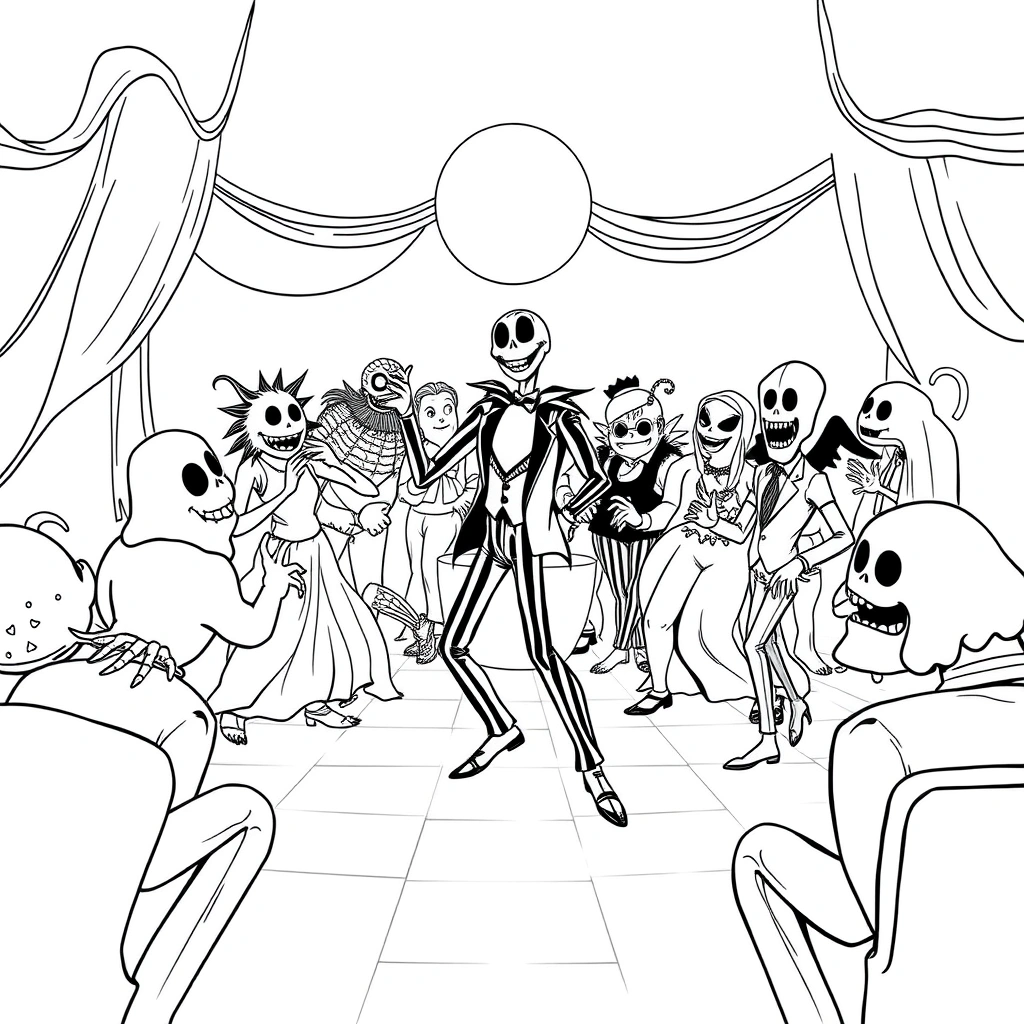
The chaos caused by Beetlejuice can help children understand the consequences of actions.
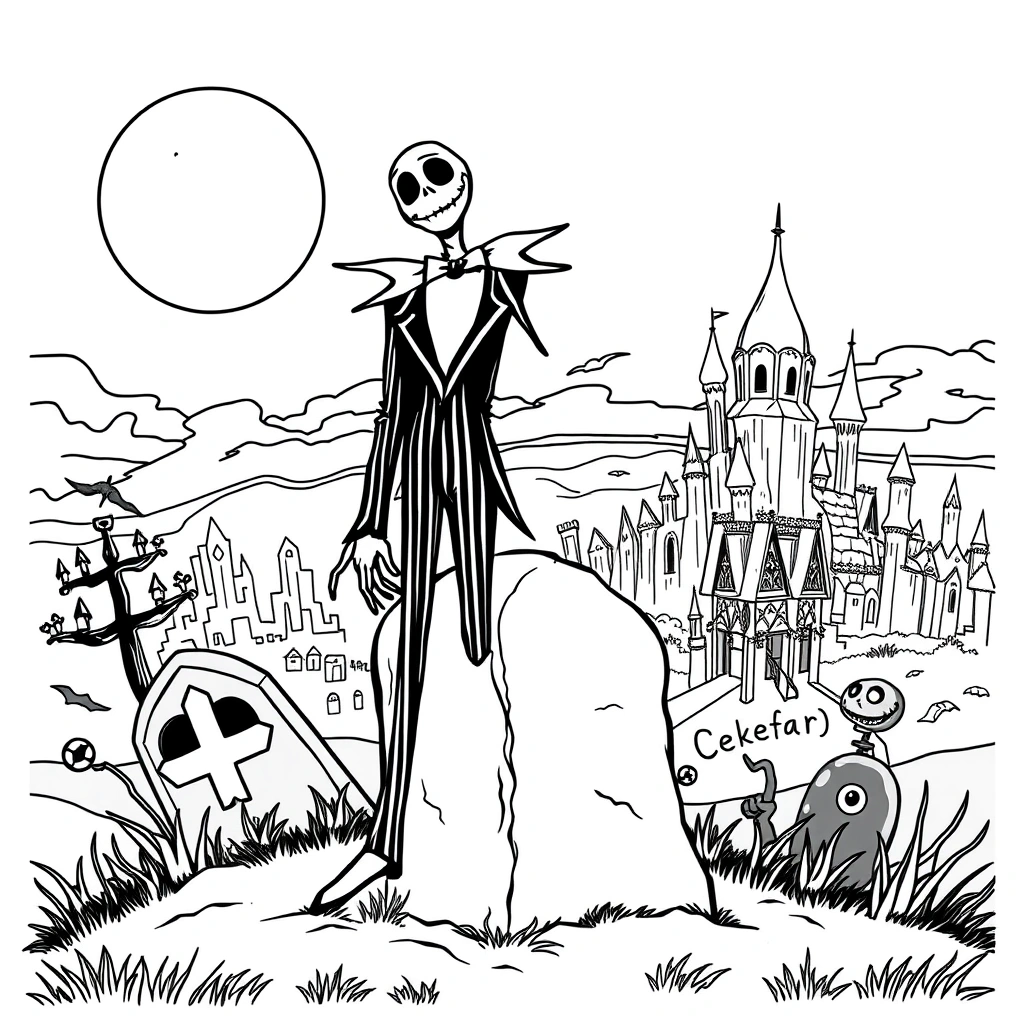
Imaginary play scenarios can enhance a child's storytelling and creative thinking skills.
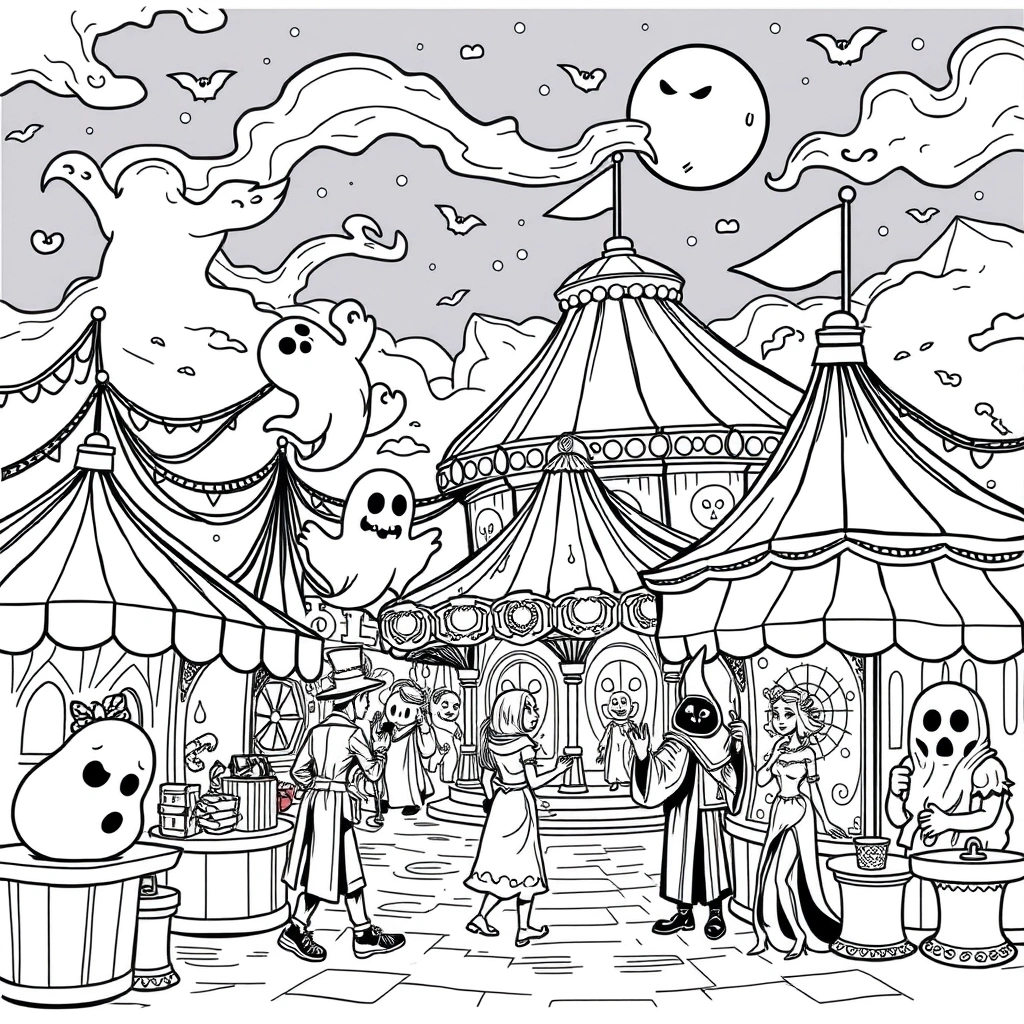
This scene encourages discussions about facing fears in a fun and lighthearted way.
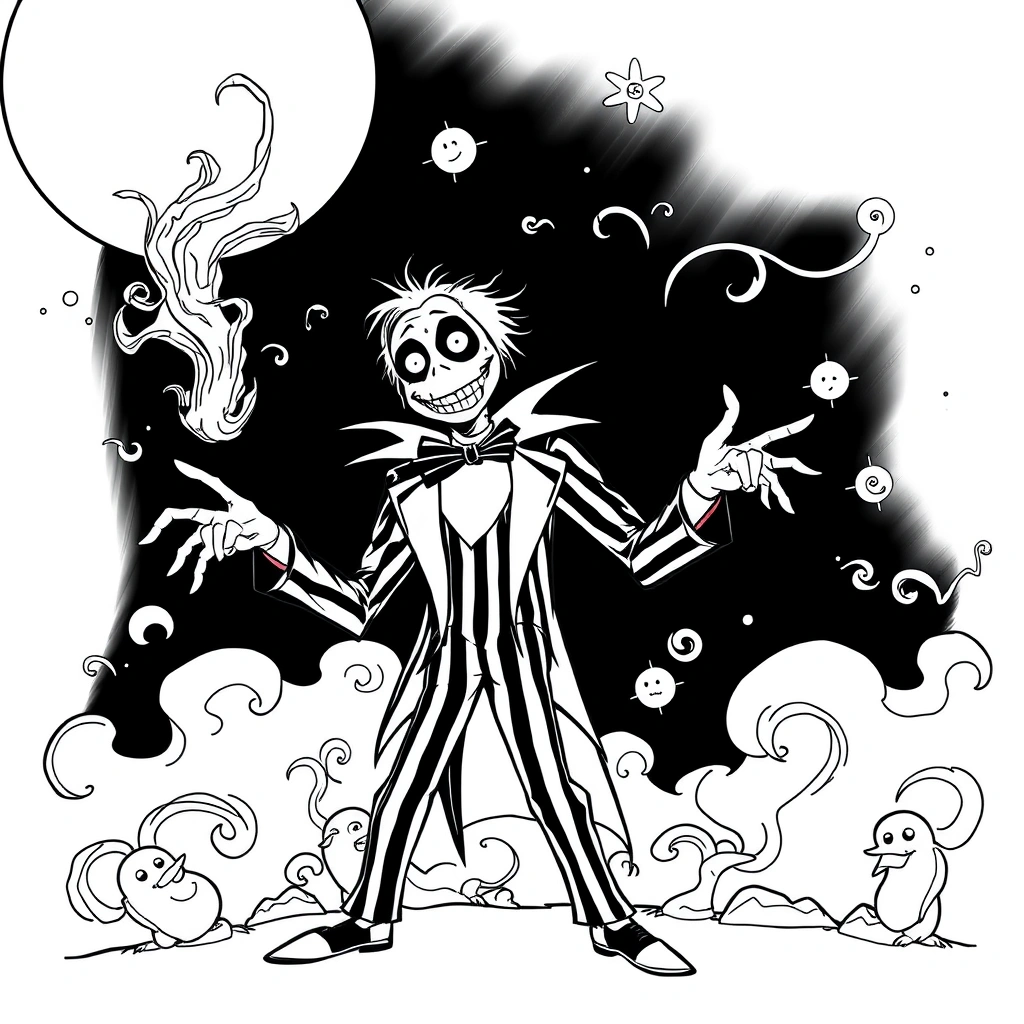
Children can learn about character development by analyzing Beetlejuice's personality traits.
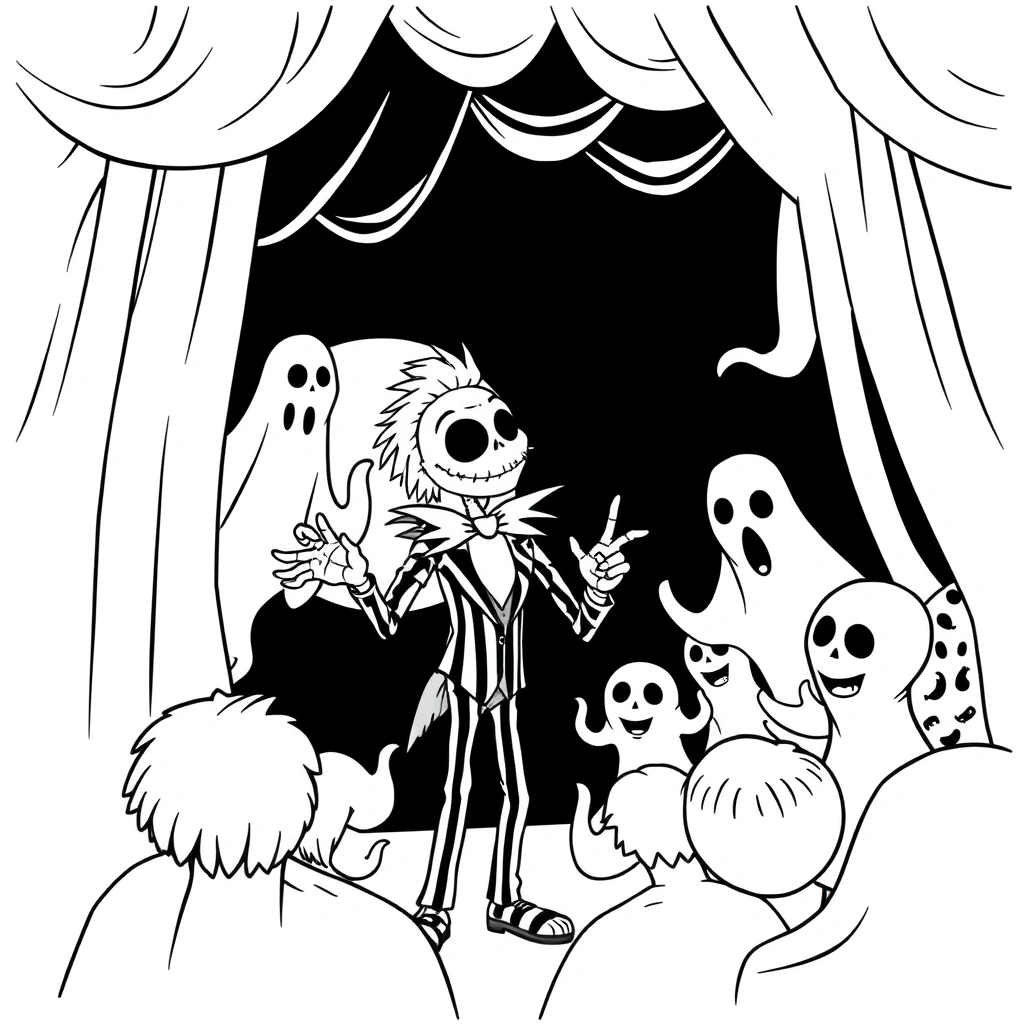
Exploring bright and dark color choices teaches children about emotional expression through art.
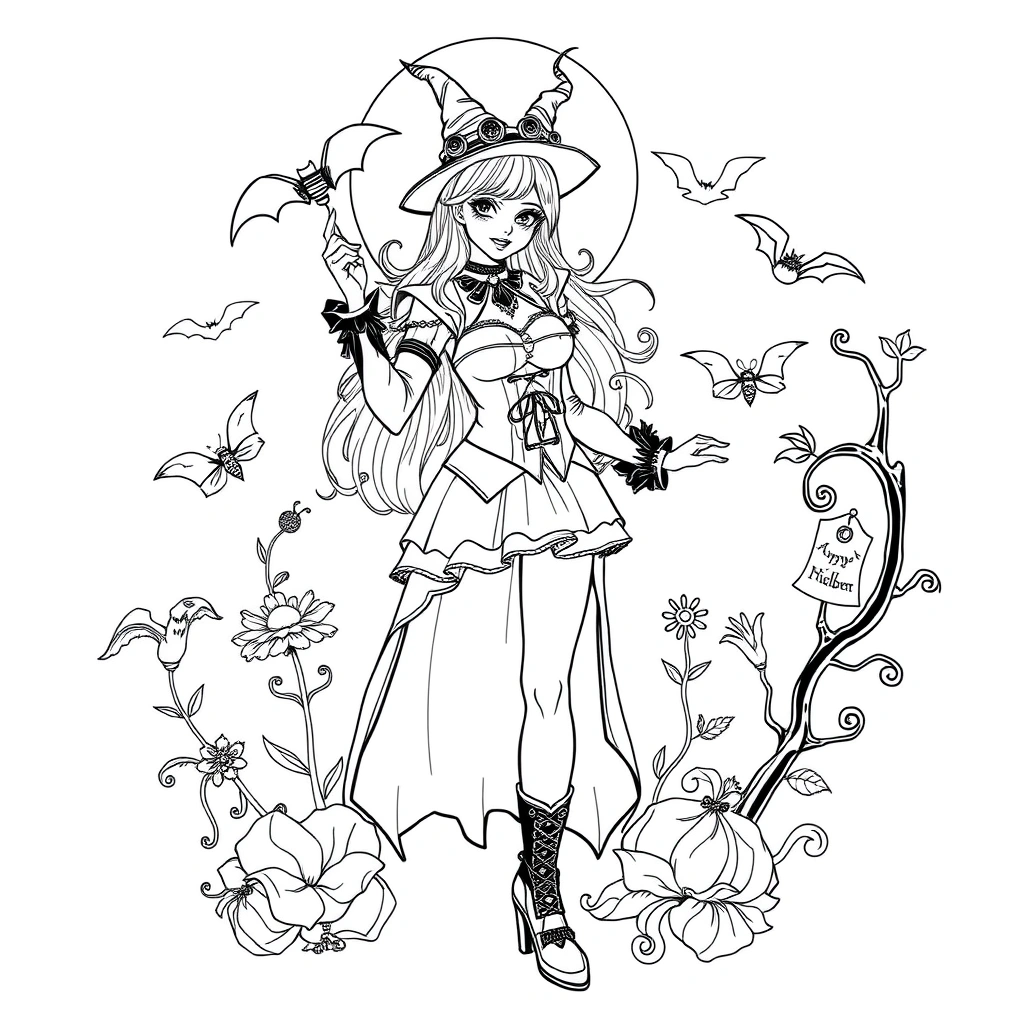
Acting out Beetlejuice scenes encourages confidence in performing and speaking in front of an audience.
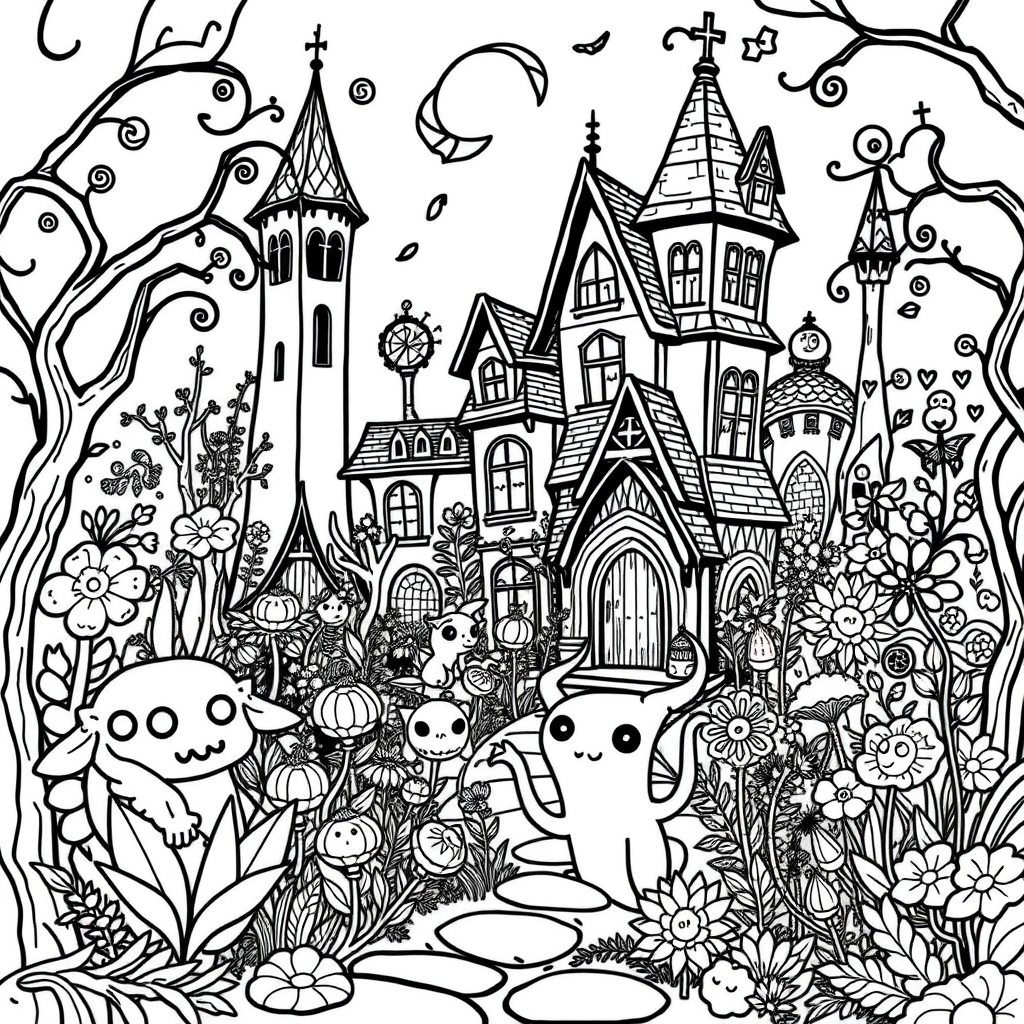
Recognizing the whimsical elements in Beetlejuice can inspire appreciation for fantasy and creativity.
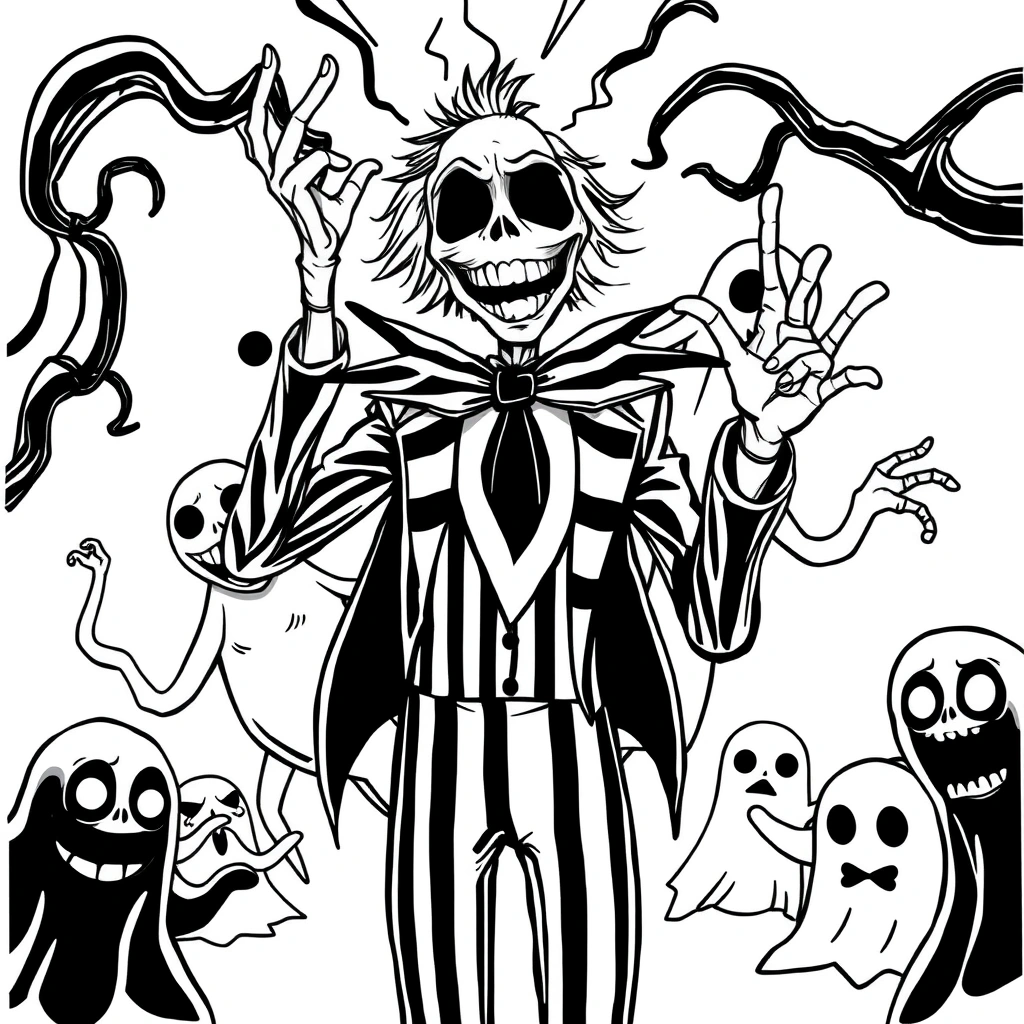
Understanding comedic timing can help children appreciate humor in storytelling.
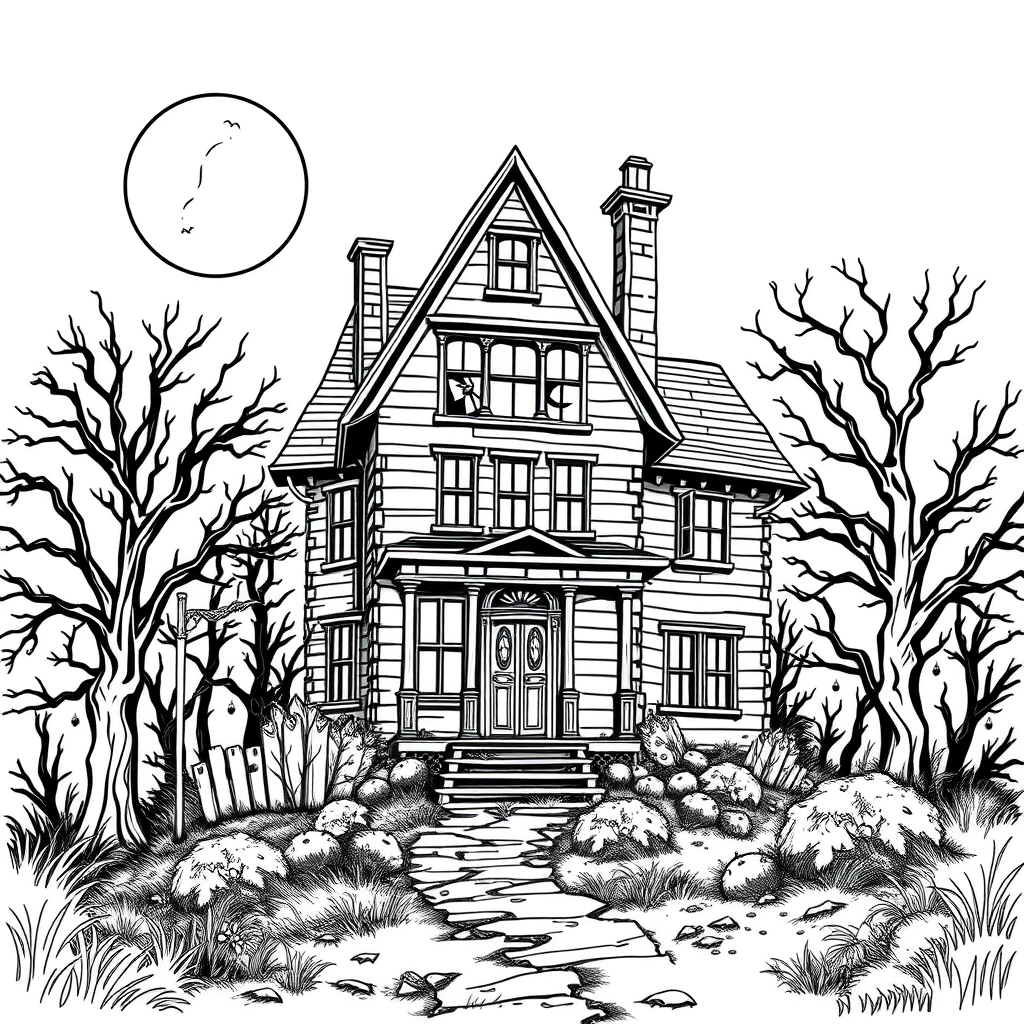
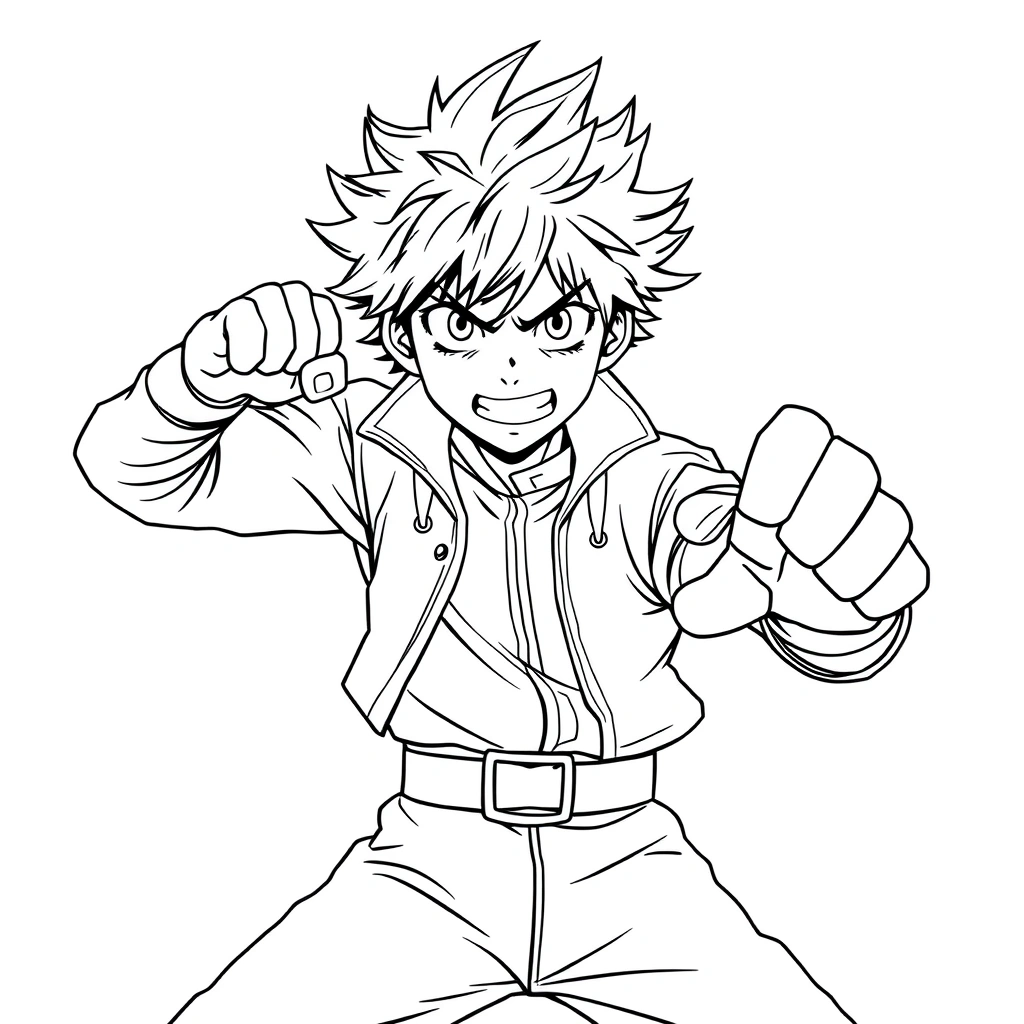
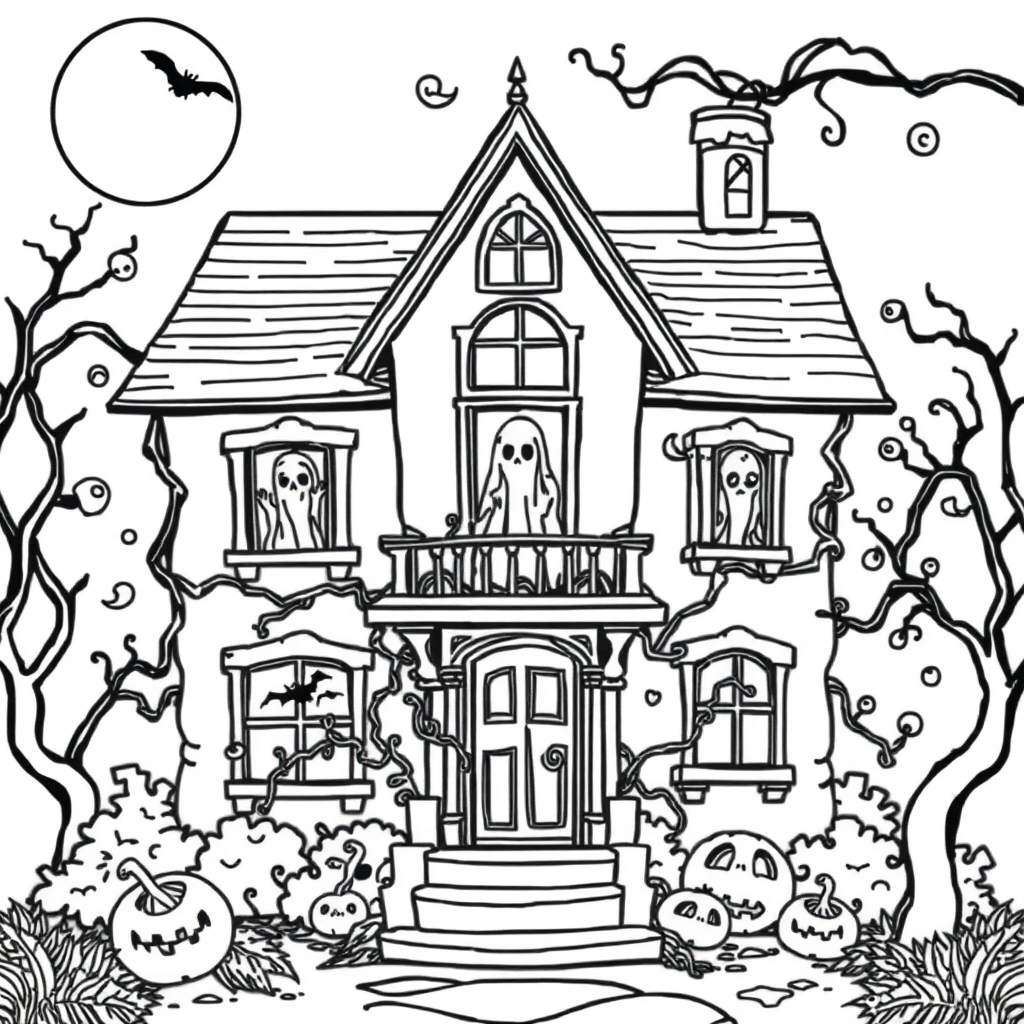
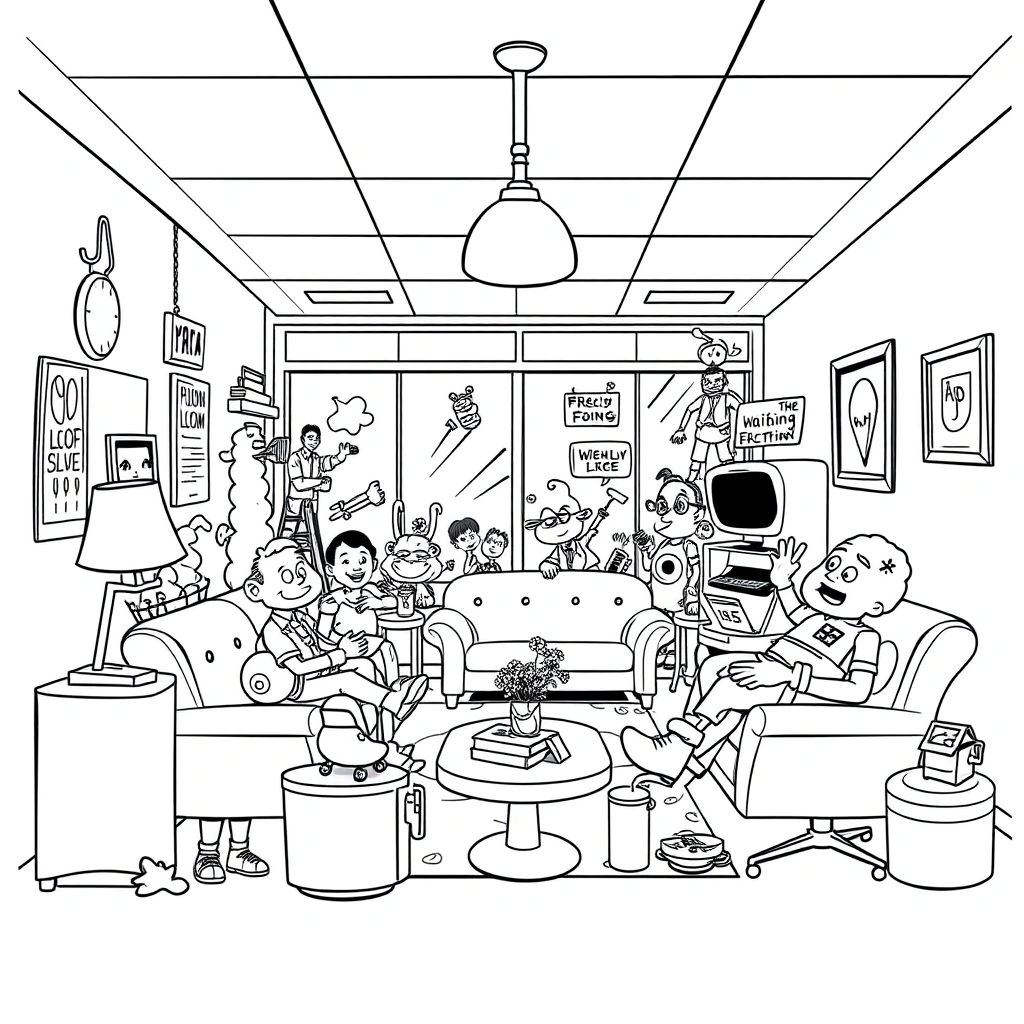
This collection of free printable Beetlejuice coloring pages brings the weird and wonderful world of the Neitherworld to your printer. Kids and fans can color Beetlejuice and Lydia together, face down the giant Sandworm Encounter, wander through a Haunted House, and wait in the unforgettable Afterlife Waiting Room. Other sheets capture the Dance Party energy, Beetlejuice’s Grave, the spooky Carnival of the Dead, The Magic Spell moment, and Beetlejuice in Action. Lydia’s Portrait and the Gothic Garden offer quieter, detail-rich options for patient colorists. Each design stays true to the film’s playful horror style without being too intense for younger kids.
Beetlejuice’s iconic black-and-white striped suit gives kids a built-in pattern to practice staying inside lines, while the Sandworm Encounter pages invite bold purples and neon greens against desert tans. The Afterlife Waiting Room works well with muted institutional grays and pops of unexpected color on the waiting souls. Younger children (ages 5-7) will find the Dance Party and Beetlejuice in Action pages easiest with their larger shapes. Older kids and adults can tackle Lydia’s Portrait or The Magic Spell with fine details and gothic atmosphere. Markers work best for the Carnival of the Dead’s energy; colored pencils suit the Gothic Garden’s layered shadows.
These printable sheets fit naturally into October party prep—set out the Haunted House and Carnival of the Dead pages with crayon buckets as a quiet activity between costume contests. Teachers building a Tim Burton or Halloween film unit can use the Afterlife Waiting Room for discussion prompts about set design. At home, rainy afternoons become immersive with the Sandworm Encounter spread across the kitchen table. The Dance Party page doubles as a party favor kids can roll into scrolls and take home. Keep a few copies of Lydia’s Portrait and Beetlejuice’s Grave on hand for sleepover crafts where fans want to unwind with something screen-free.
After coloring, fold several completed pages into a handmade booklet inspired by the film’s famous handbook. Use The Magic Spell page as a cover, tuck Lydia’s Portrait inside as an illustration, and staple or hole-punch Beetlejuice’s Grave and the Gothic Garden as interior “chapters.” Kids can write silly rules for the Neitherworld on blank paper slipped between the coloring pages—what happens if you say a name three times, or how to ride a sandworm safely. This turns finished artwork into a playable prop that extends the theme without needing extra materials, and gives children a keepsake story object they made themselves.
Beetlejuice was first introduced in a 1988 movie directed by Tim Burton.
The character's name is a play on 'beetle juice,' a reference to the insect.
Beetlejuice's appearance is inspired by the classic horror tropes and cartoons.
The film has spawned an animated series, video games, and stage adaptations.
Michael Keaton, who plays Beetlejuice, improvised many of the character's lines.
The movie's visual style features vibrant colors and creative special effects.
Can't find the perfect page?
Type an idea like the ones above — or upload a photo — and ColorHippo turns it into printable line art in seconds.
15 free credits · No credit card
Your coloring page is downloading
Want a Beetlejuice page made just for you?
Describe it and AI draws it in seconds — your first 15 credits are free.
Create a custom page