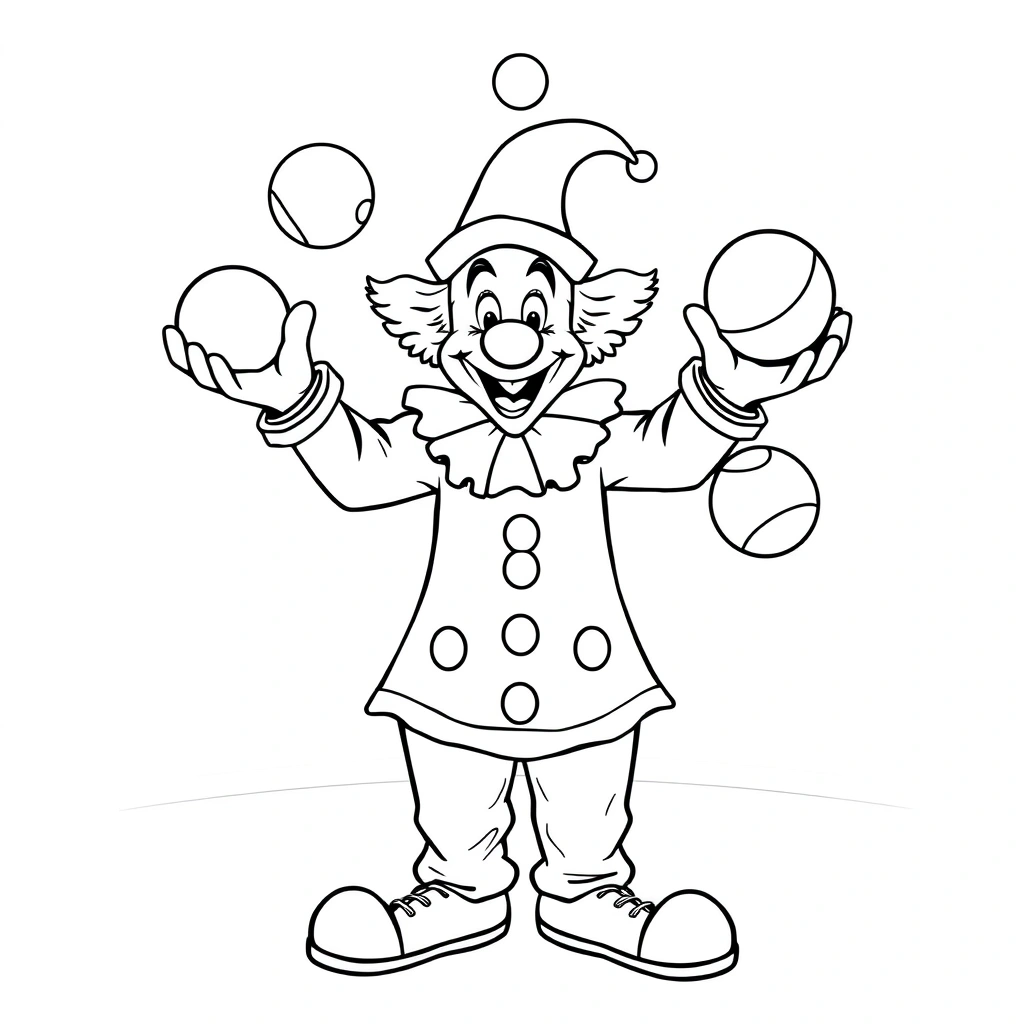
Juggling Clown
Children can learn about the fun clothing styles and colors that clowns wear.
Reviewed by the ColorHippo team • Updated July 22, 2026. Printable pages selected for clear outlines, kid-friendly coloring space, and classroom or home use.
ColorHippo is an independent coloring page resource and is not affiliated with the owners of featured characters, films, or brands.
Children can learn about the fun clothing styles and colors that clowns wear.
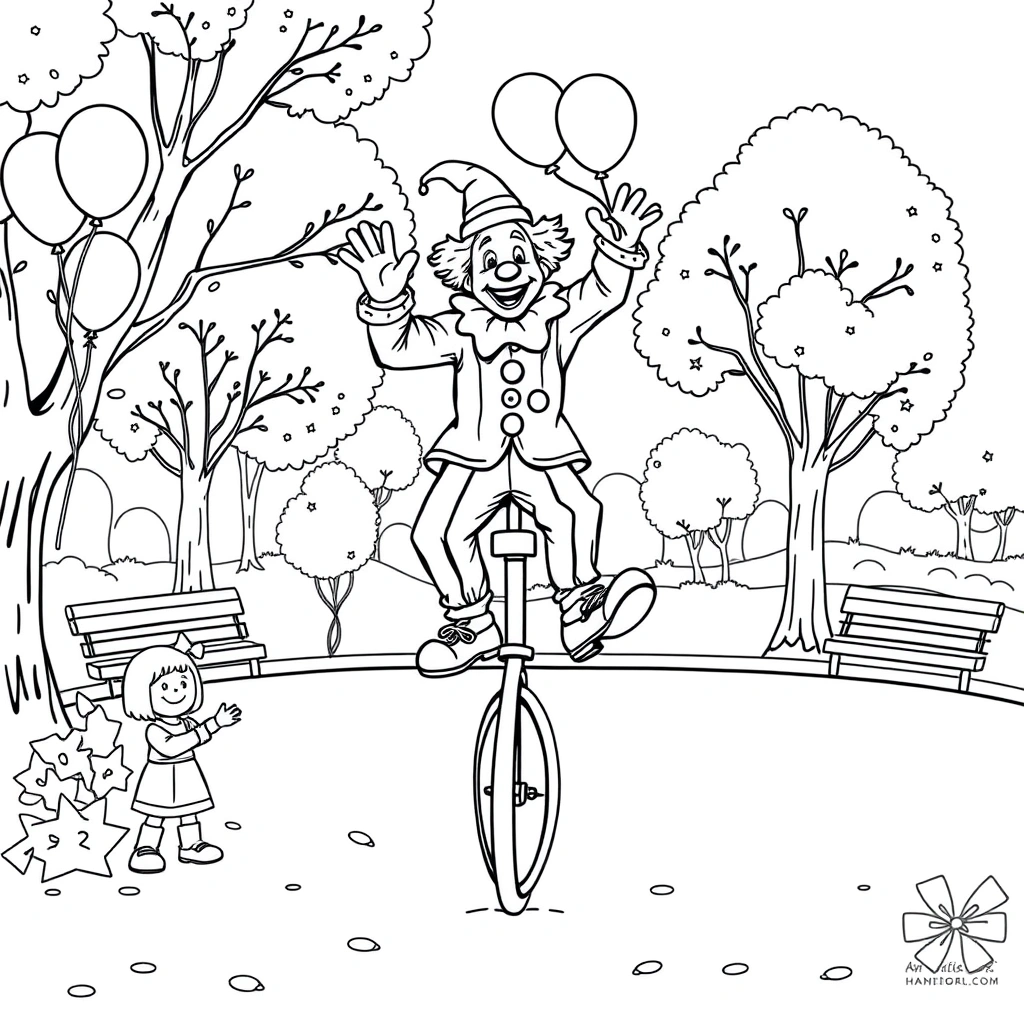
This scene shows different clown tricks, helping children understand performance art.
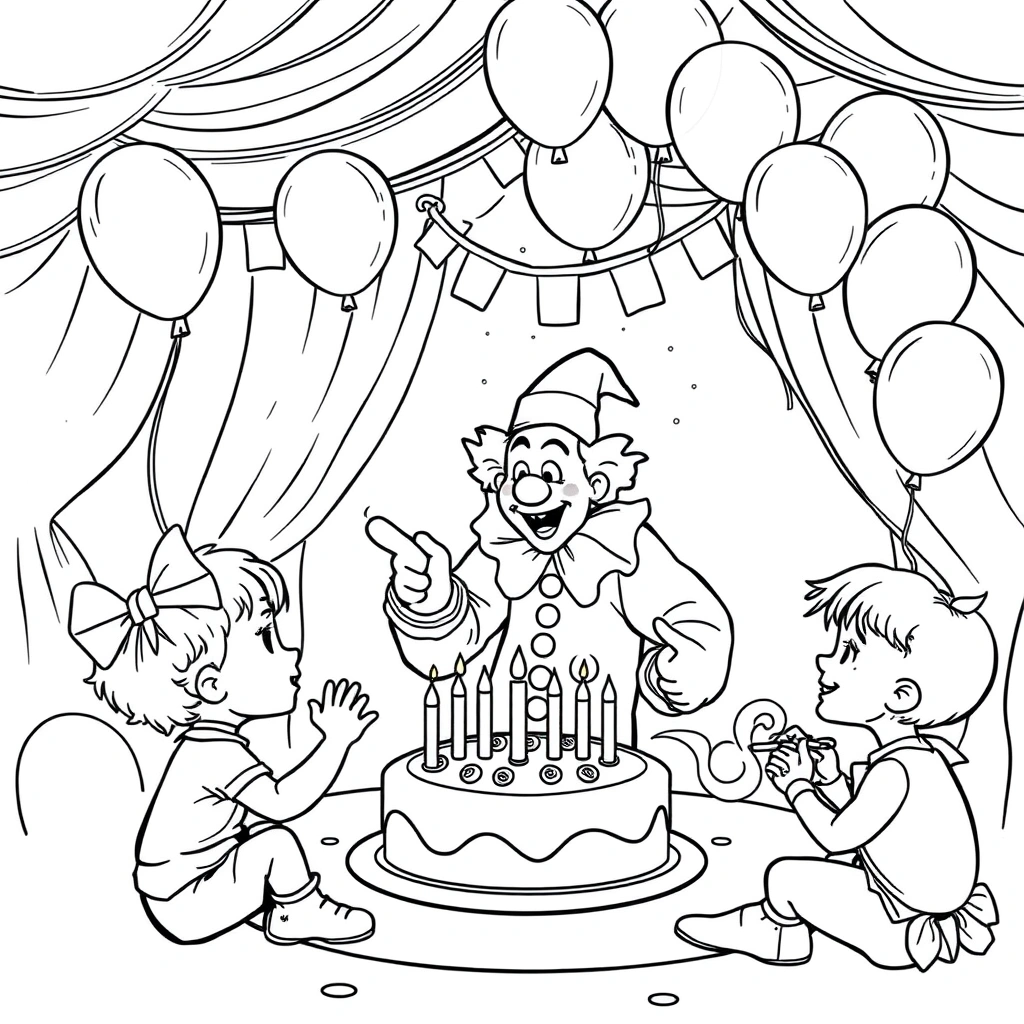
Children can discover various clown expressions that evoke different emotions.
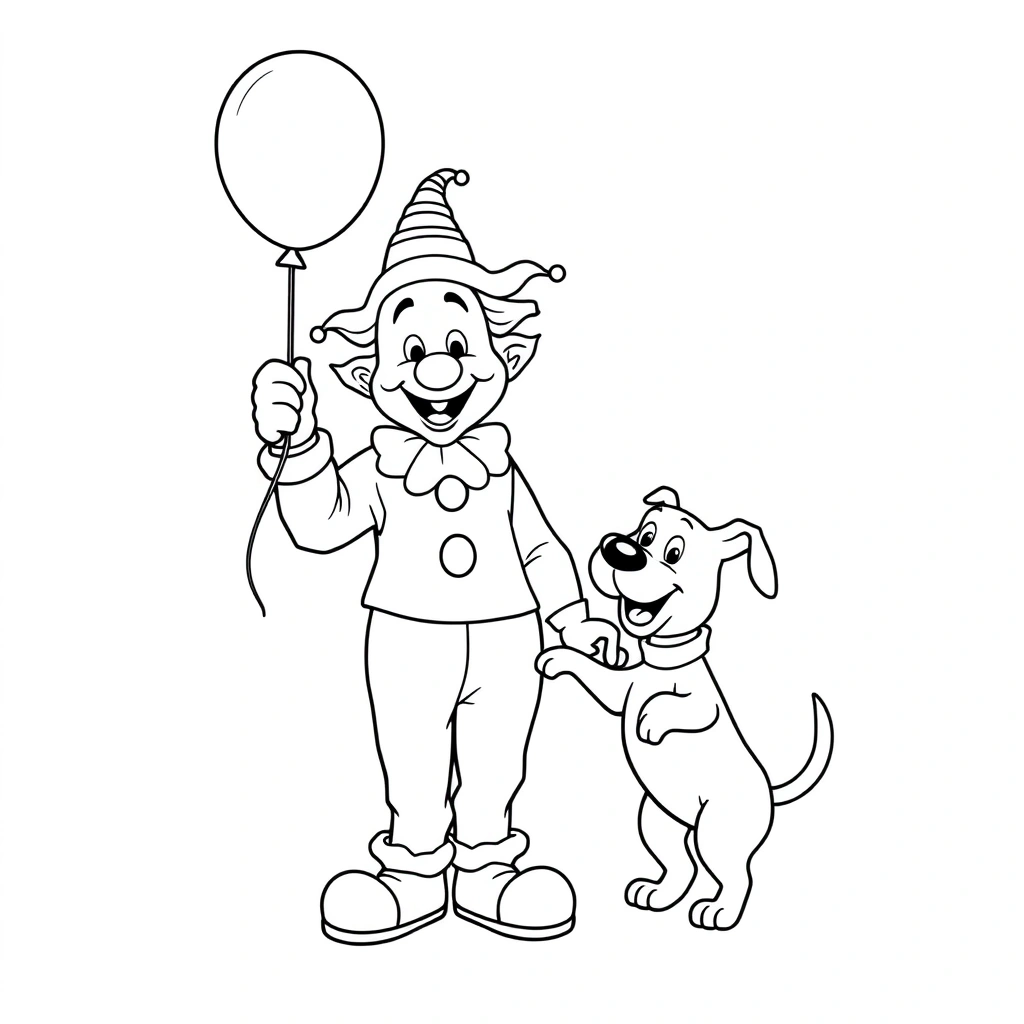
This image introduces children to the props clowns use in performances.
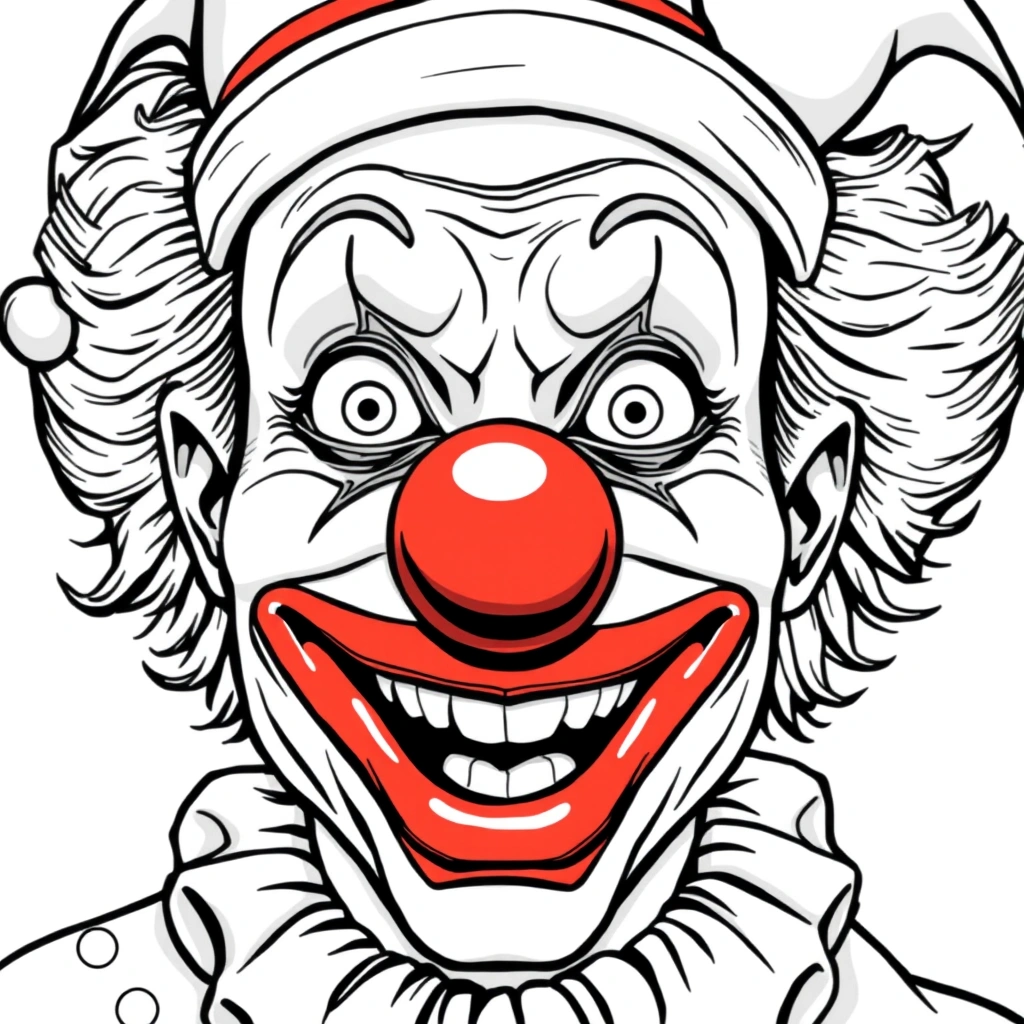
Children learn about teamwork when clowns work together in a show.
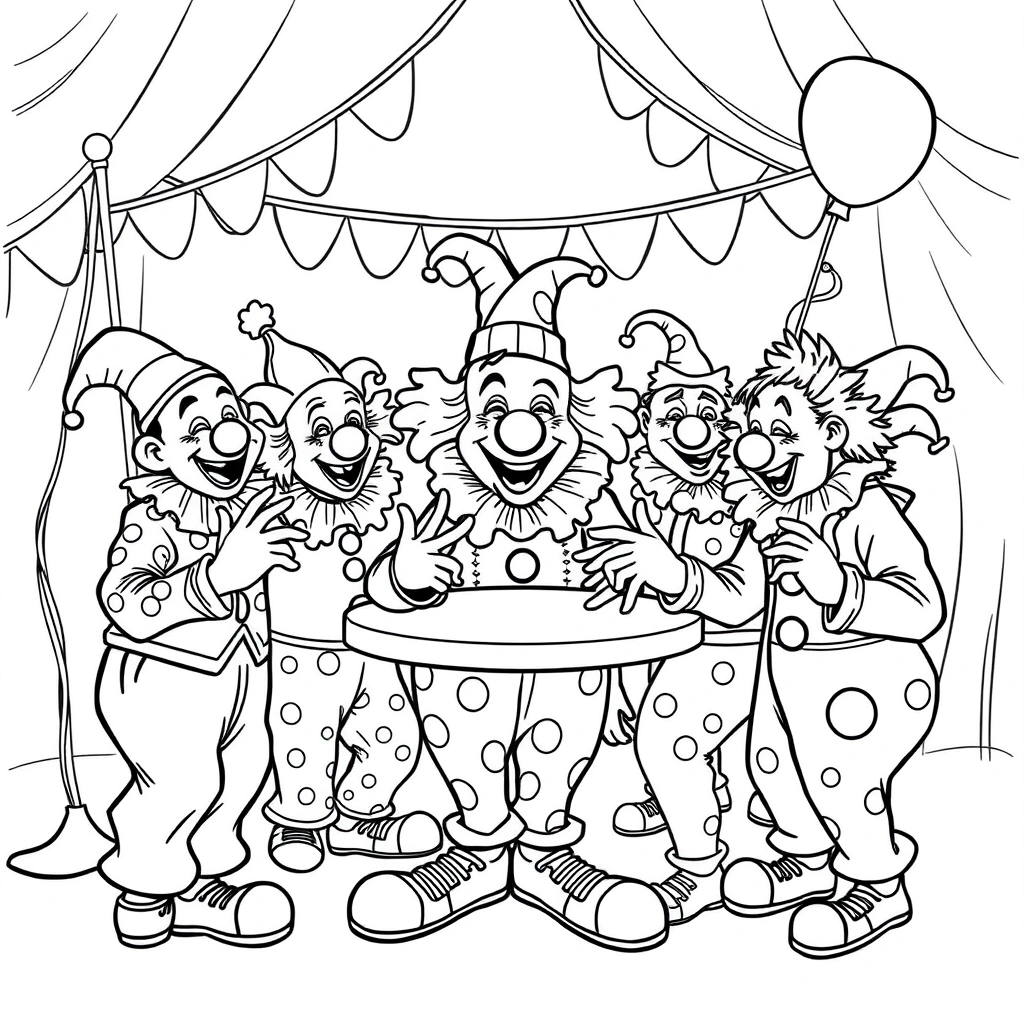
This scene can illustrate to children the importance of laughter and joy.
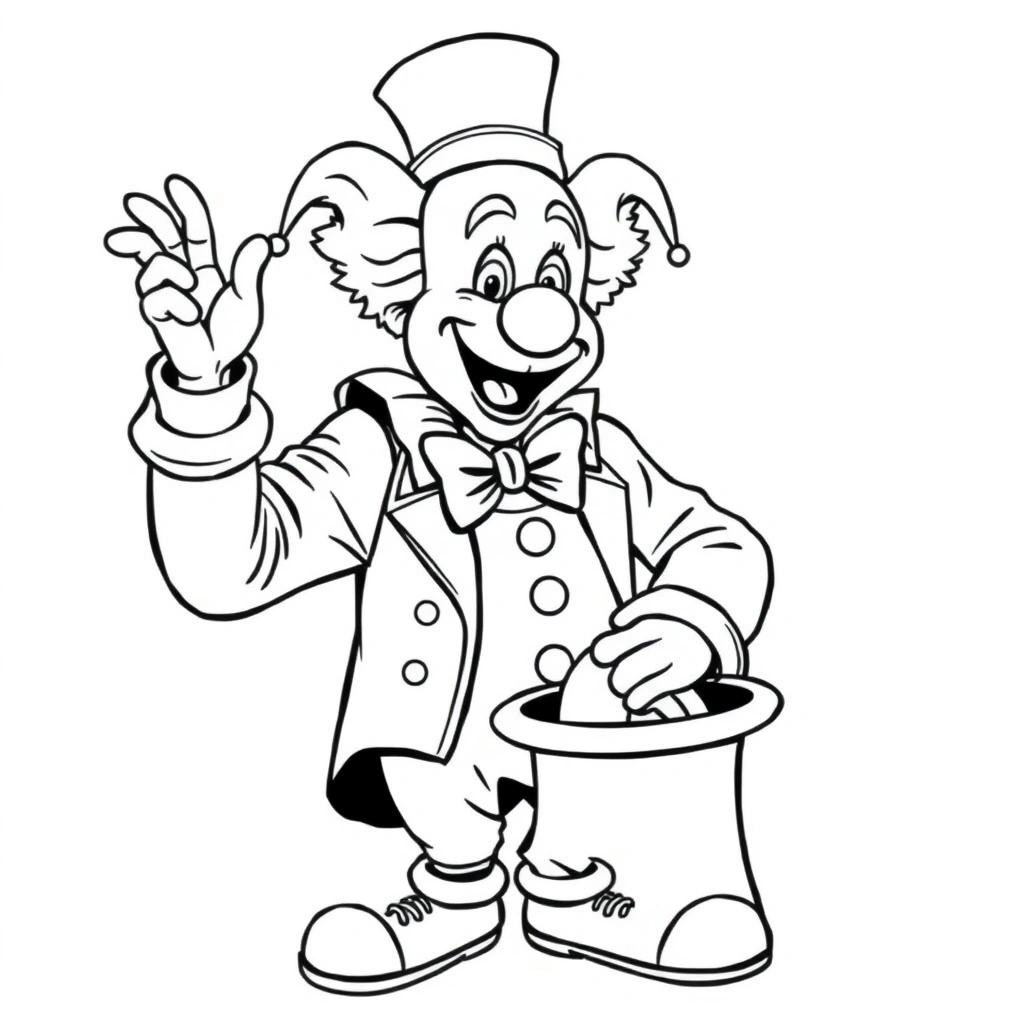
Children learn about creativity through the unique designs of clown faces.
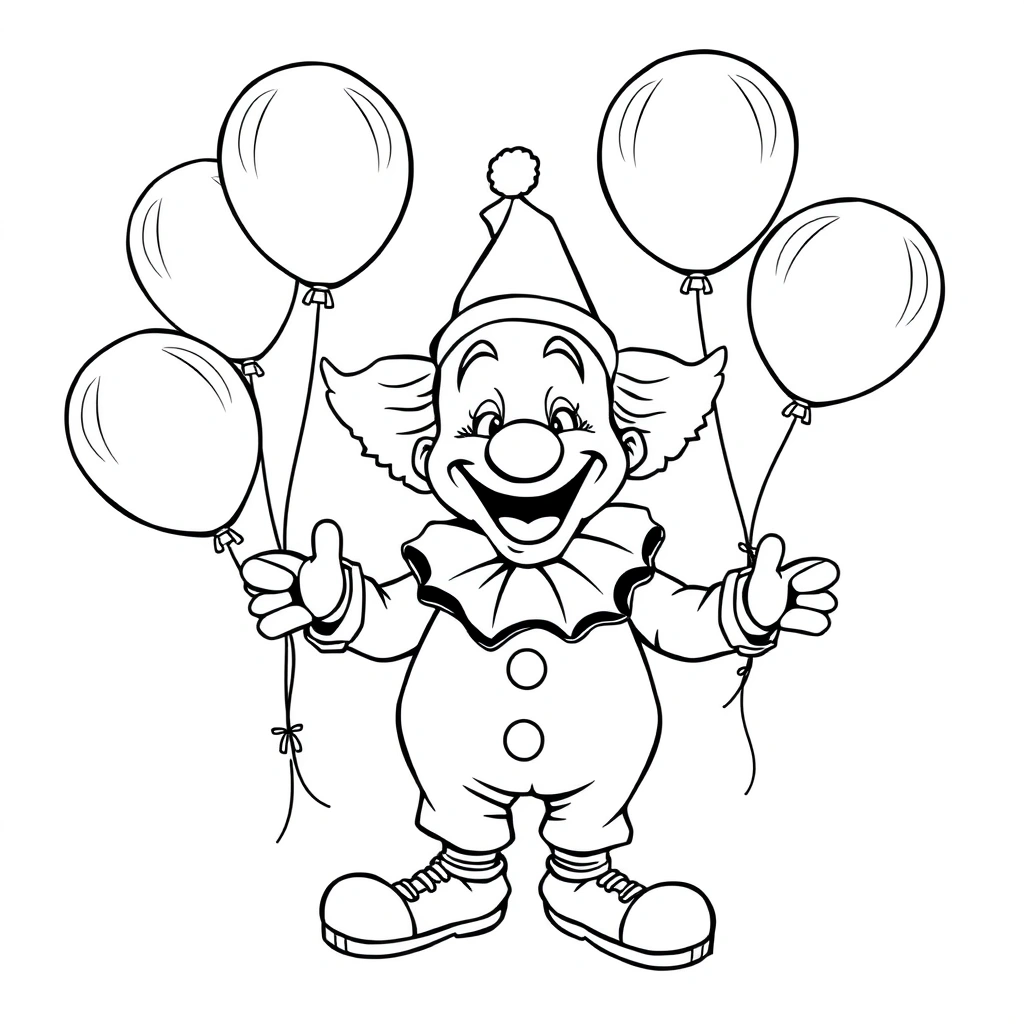
This image encourages conversation about different types of clown characters.
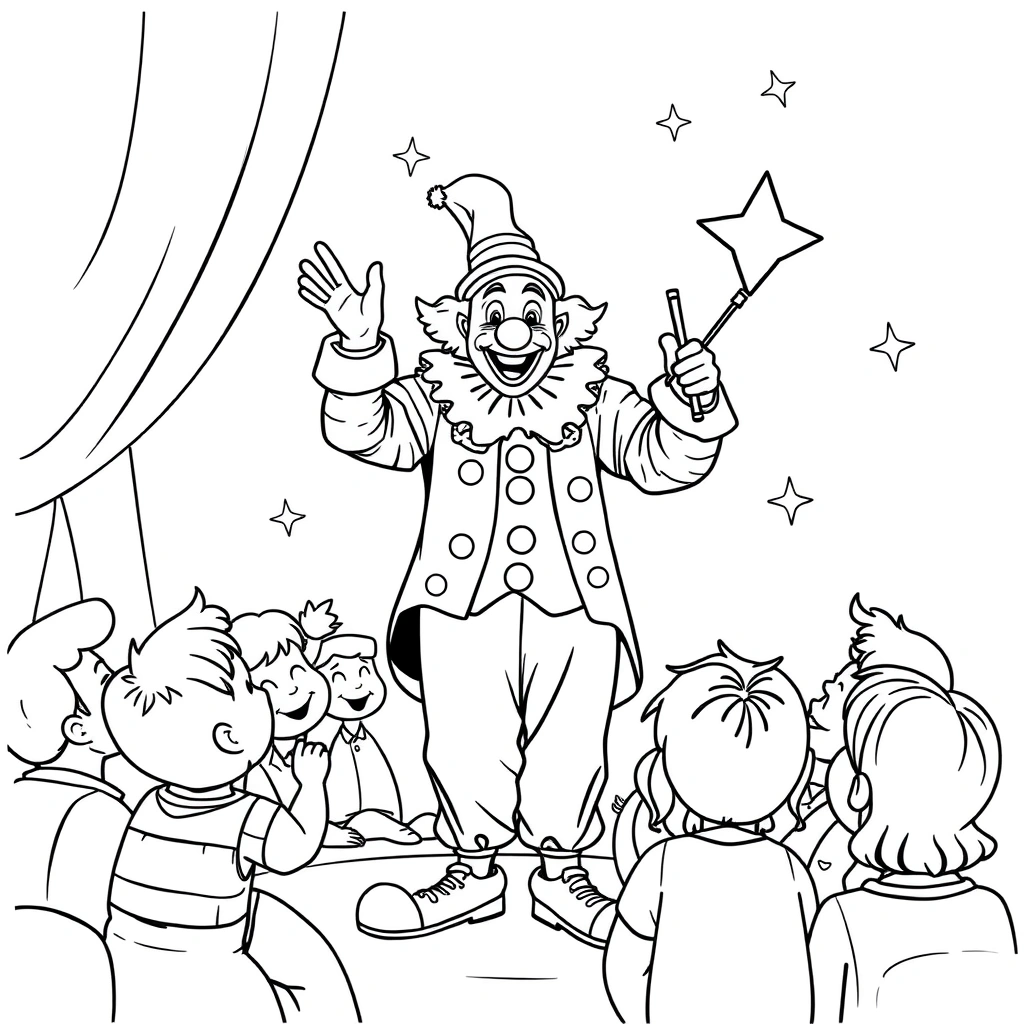
Children can learn about cultural differences in clown performances across the world.
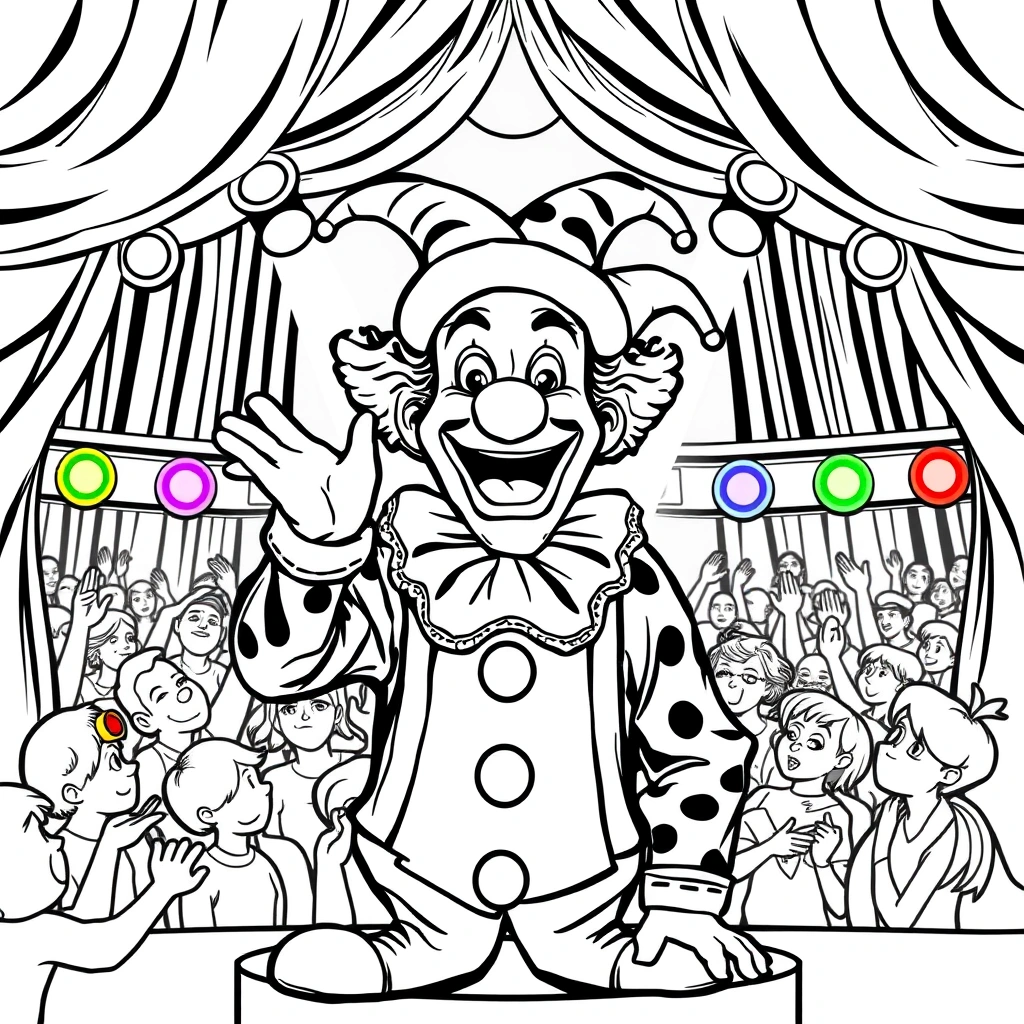
This scene shows clowns interacting with an audience, teaching about communication.
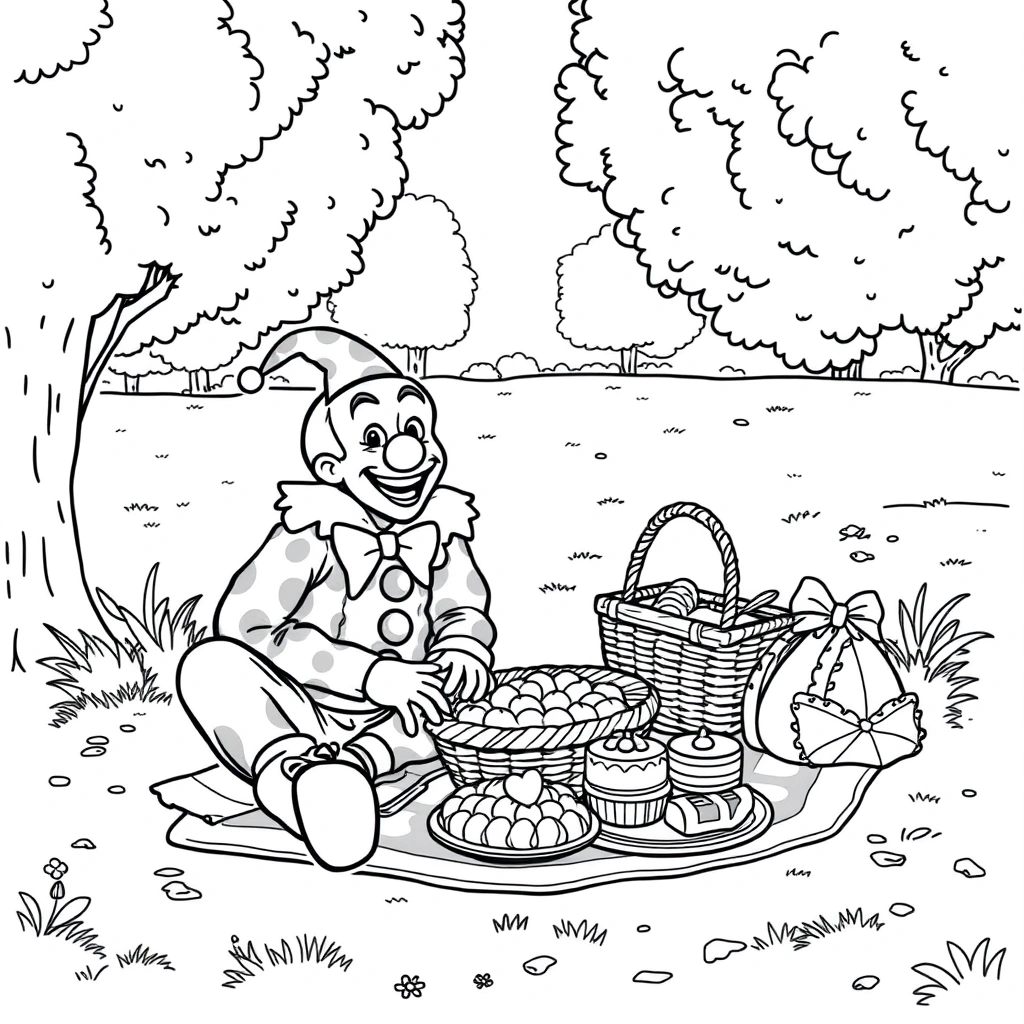
Children can explore the relationship between clowns and the circus.
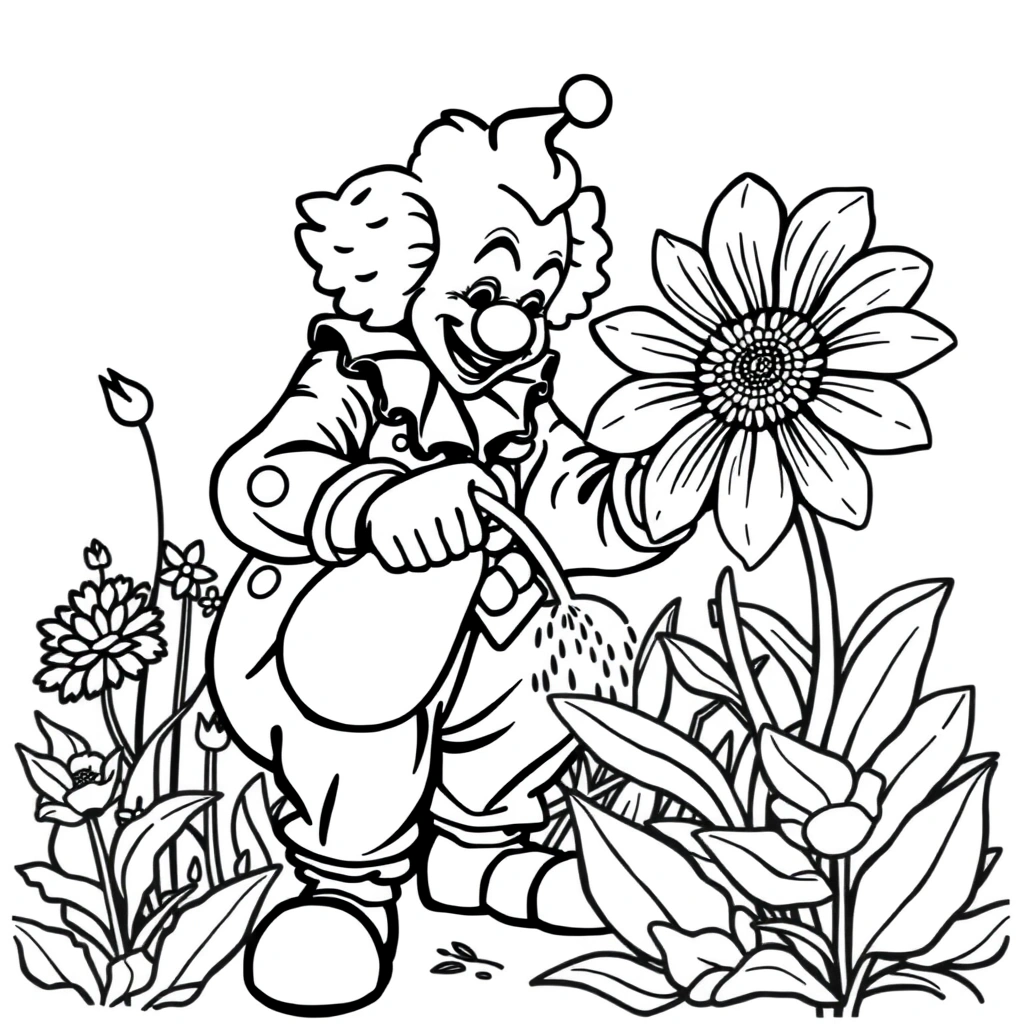
This picture showcases different clown activities, allowing children to think creatively.
Our clown coloring pages capture the lively energy of the big top and beyond. Kids can grab their crayons for a Juggling Clown keeping balls in the air, a Clown on a Bicycle wobbling through the ring, or a Clown on Stage taking a bow under the spotlight. A Magician Clown and a Clown Performing Magic bring a touch of wonder, while a Clown with Balloons and a Clown with a Flower offer simpler shapes for younger colorists. A Funny Clown Face makes an excellent starting point for experimenting with bold expressions, and Clown and Friends adds group dynamics to the mix.
Clown outfits beg for saturated reds, sunshine yellows, electric blues, and grass greens—no subtle palettes required. A Clown at a Birthday Party works well with pastel cake tones and bright wrapping-paper patterns. For the Clown with a Dog, consider a spotted mutt in brown and white or a golden retriever shade. The Clown Picnic scene opens up green gingham and sky blue opportunities. Crayons suit the broader areas, while colored pencils help with the fine stripes on a ruffled collar or the spokes on the bicycle wheel. Early elementary kids will manage the detailed scenes; preschoolers will gravitate toward the balloon and flower images with their larger, friendlier shapes.
These free printable sheets arrive ready for instant entertainment. Print a stack before a child’s birthday party and set them beside a craft table for quiet downtime between games. Teachers can slip a Clown with Balloons sheet into sub folders or Friday afternoon reward folders. The Clown on Stage and Magician Clown pages fit neatly into a circus unit or a drama club icebreaker. For siblings at home, the variety keeps everyone occupied without repeating the same image. Each sheet downloads as a clean PDF, so you can reprint favorites without fuzzy photocopies.
Turn completed clown coloring pages into a tabletop circus tent. Color and cut out the Juggling Clown, Clown on a Bicycle, and Clown Performing Magic figures, then tape them to folded paper cones or toilet-paper-roll stands. Arrange the figures on a paper-plate stage with a striped paper awning overhead. A Clown with a Dog can anchor the pet-acts corner, while the Clown Pic scene spreads across a separate paper-plate meadow. Kids name the show, write tiny ticket stubs, and invite stuffed animals to attend. The whole setup stores flat and rebuilds in minutes for repeat performances.
The word 'clown' comes from the Latin word 'colonus,' meaning 'farmer' or 'laborer.'
The most famous clown, Bozo, first appeared on television in the 1940s and became a worldwide icon.
Juggling is a popular trick performed by clowns, and it requires a lot of practice and skill.
In some cultures, clowns are seen as wise figures who can speak truth to power, often using humor to deliver serious messages.
The first modern clown, Joseph Grimaldi, introduced the idea of a clown's costume and Performance Art in the early 1800s.
Clowns often symbolize joy and laughter, but they also remind us of the complexity of human emotions.
Can't find the perfect page?
Type an idea like the ones above — or upload a photo — and ColorHippo turns it into printable line art in seconds.
15 free credits · No credit card
Your coloring page is downloading
Want a Clown page made just for you?
Describe it and AI draws it in seconds — your first 15 credits are free.
Create a custom page