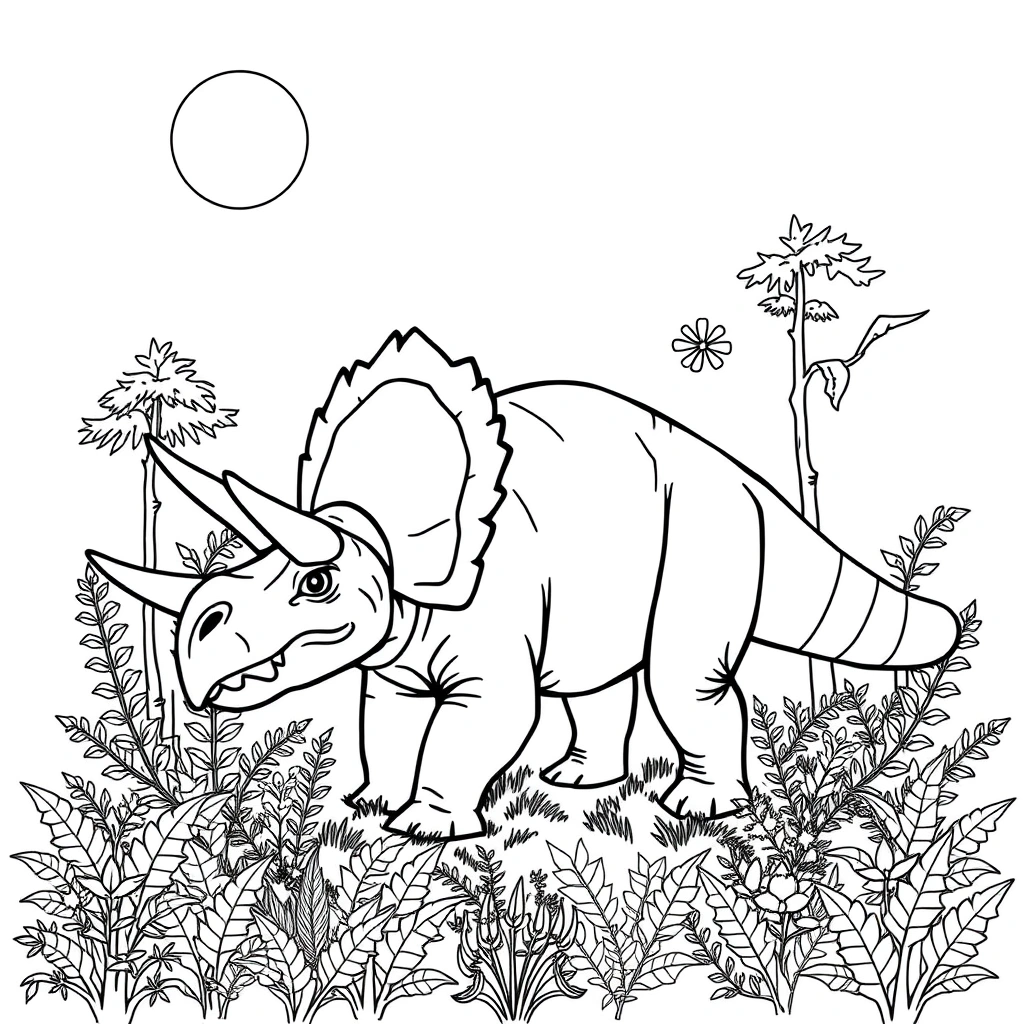
Triceratops in a Forest
Children can learn about the size and features of different dinosaur species.
Reviewed by the ColorHippo team • Updated July 22, 2026. Outlines checked for young colorers, clear fur or feather detail, and classroom handouts.
Children can learn about the size and features of different dinosaur species.
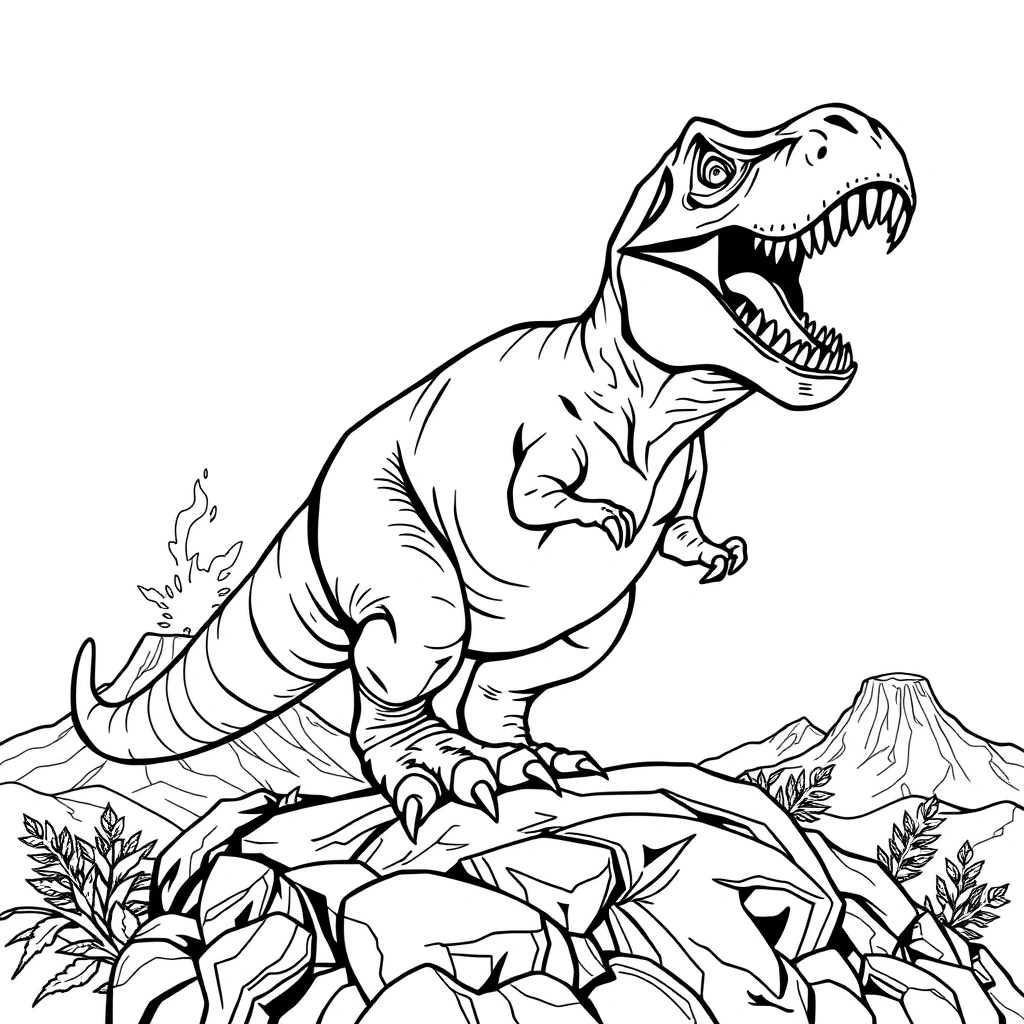
This scene highlights dinosaur behavior and social structure.
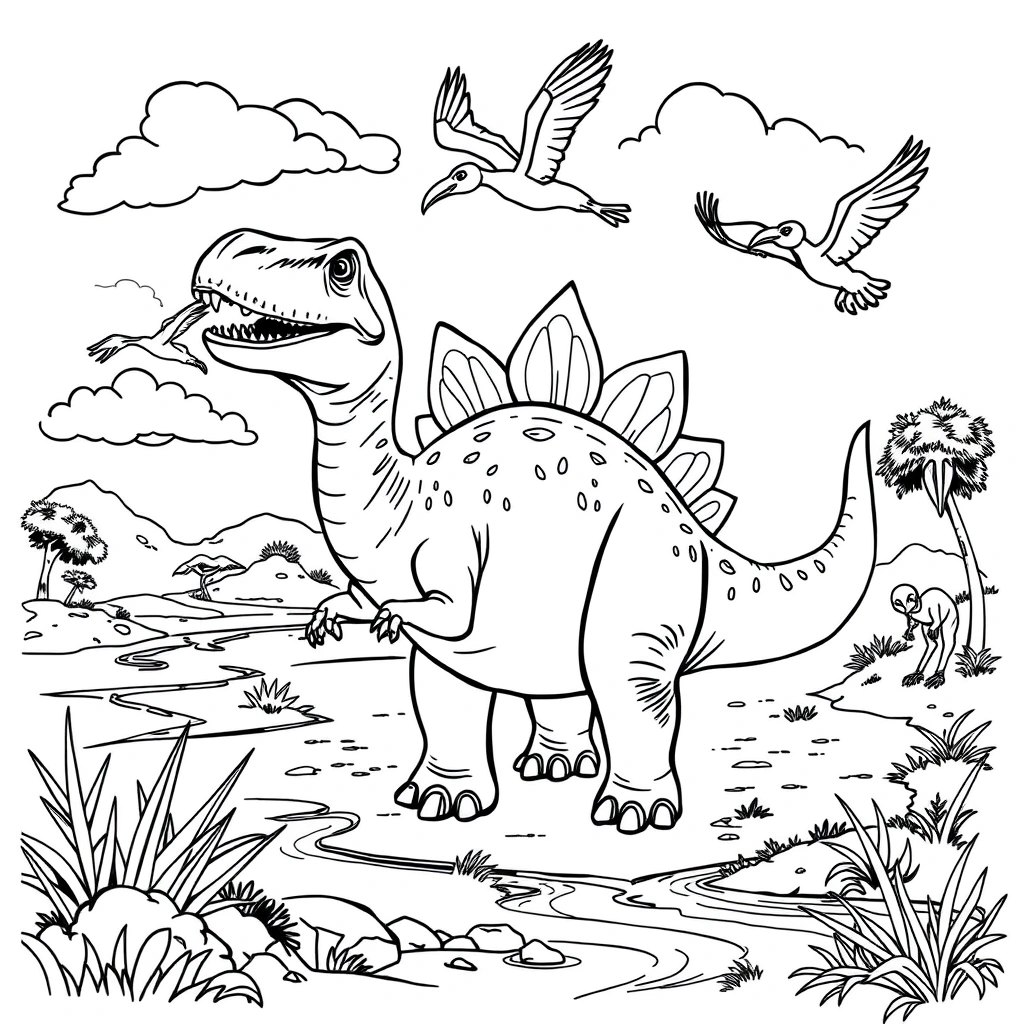
Kids can discover what dinosaurs ate and their habitats.
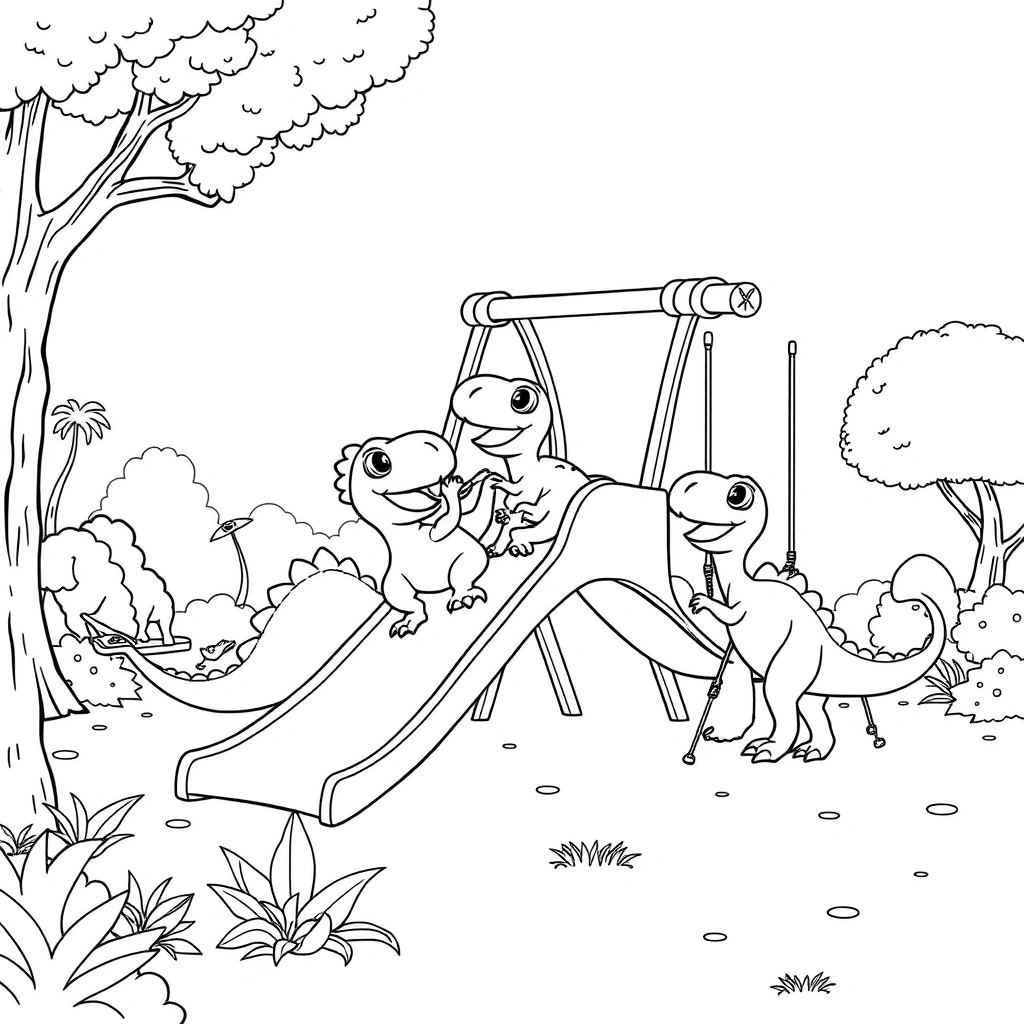
This shows the interaction between herbivorous and carnivorous dinosaurs.
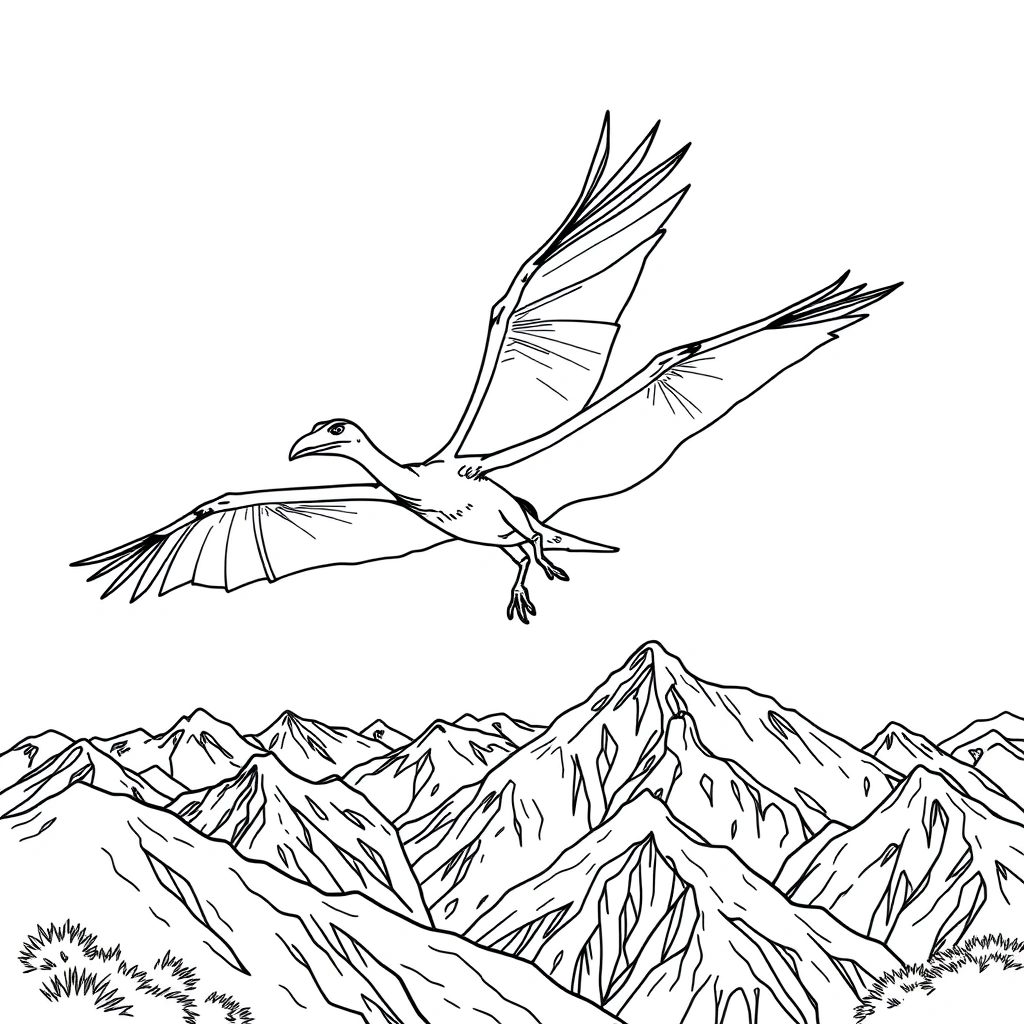
Children learn about the different time periods in which dinosaurs lived.
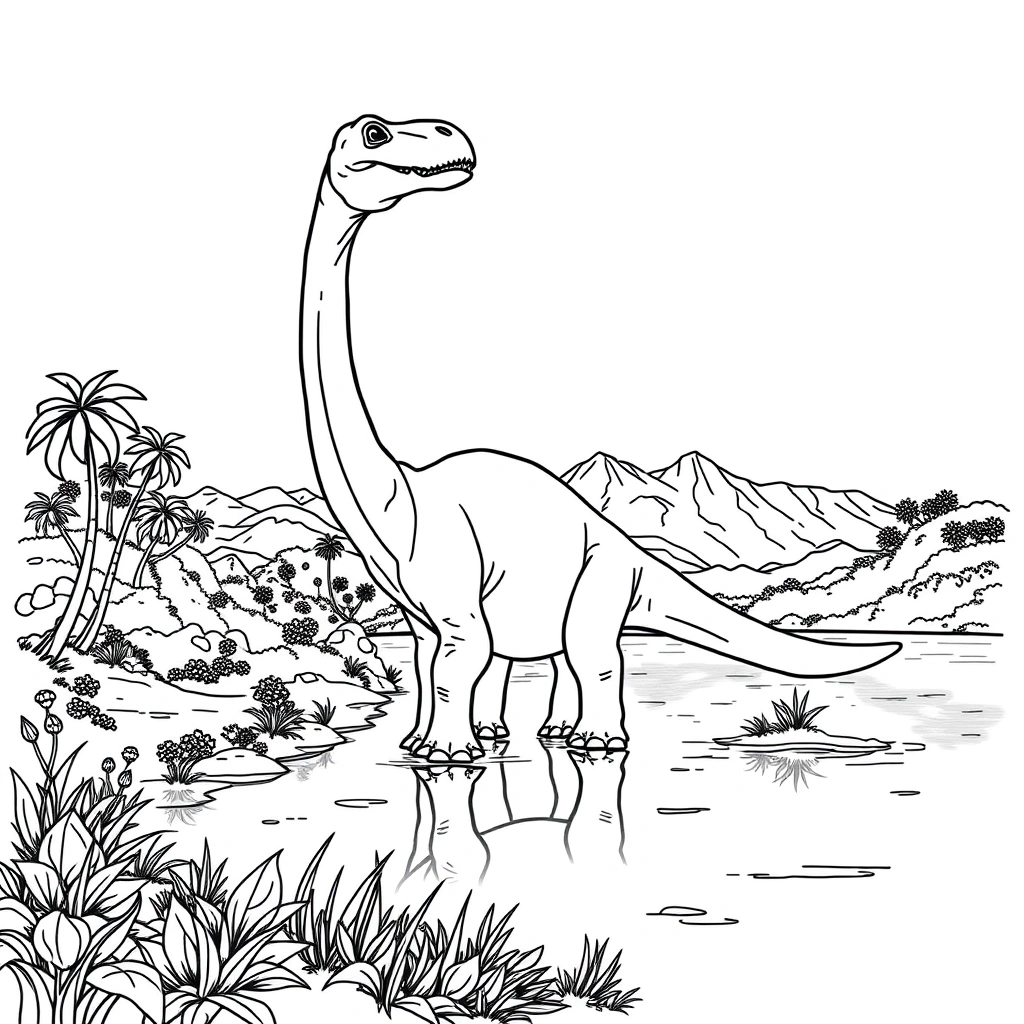
This scene reflects the diversity of dinosaurs in various ecosystems.
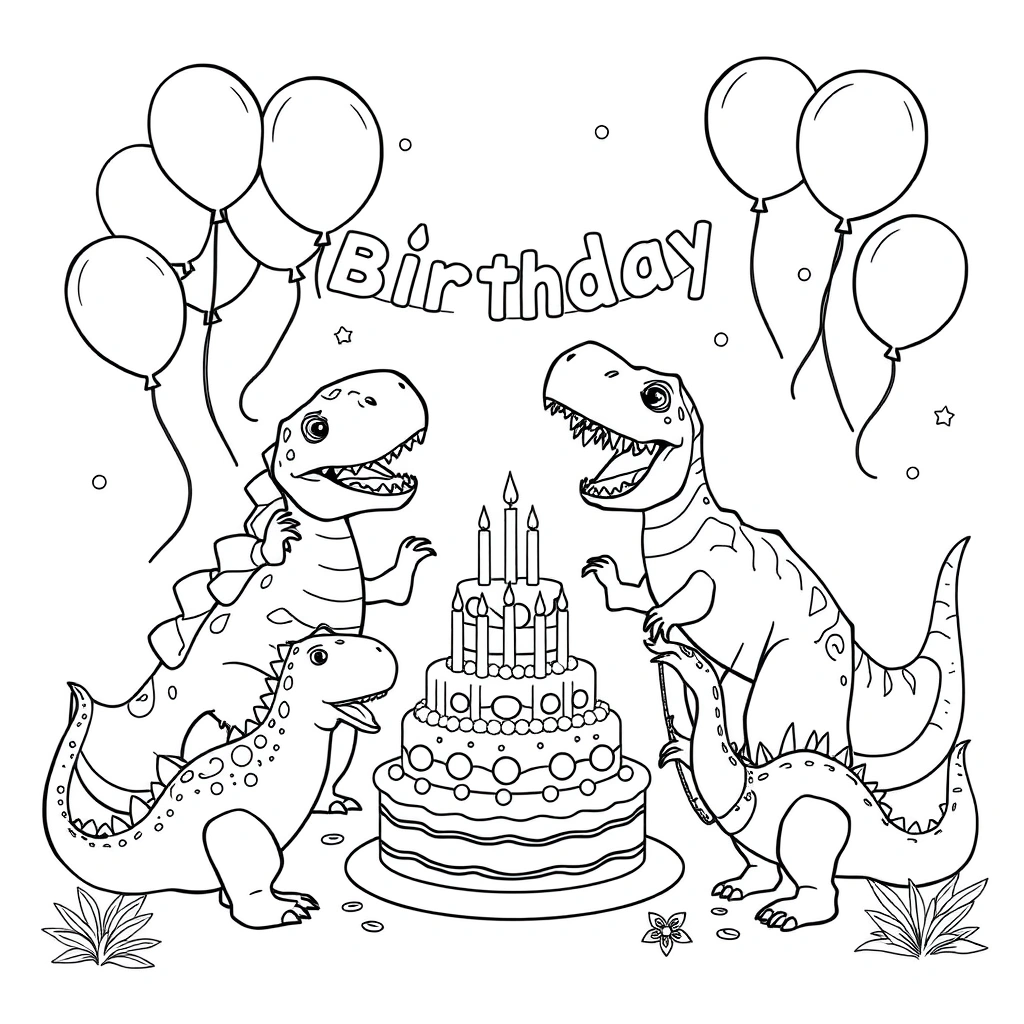
Kids can explore how some dinosaurs used camouflage for survival.
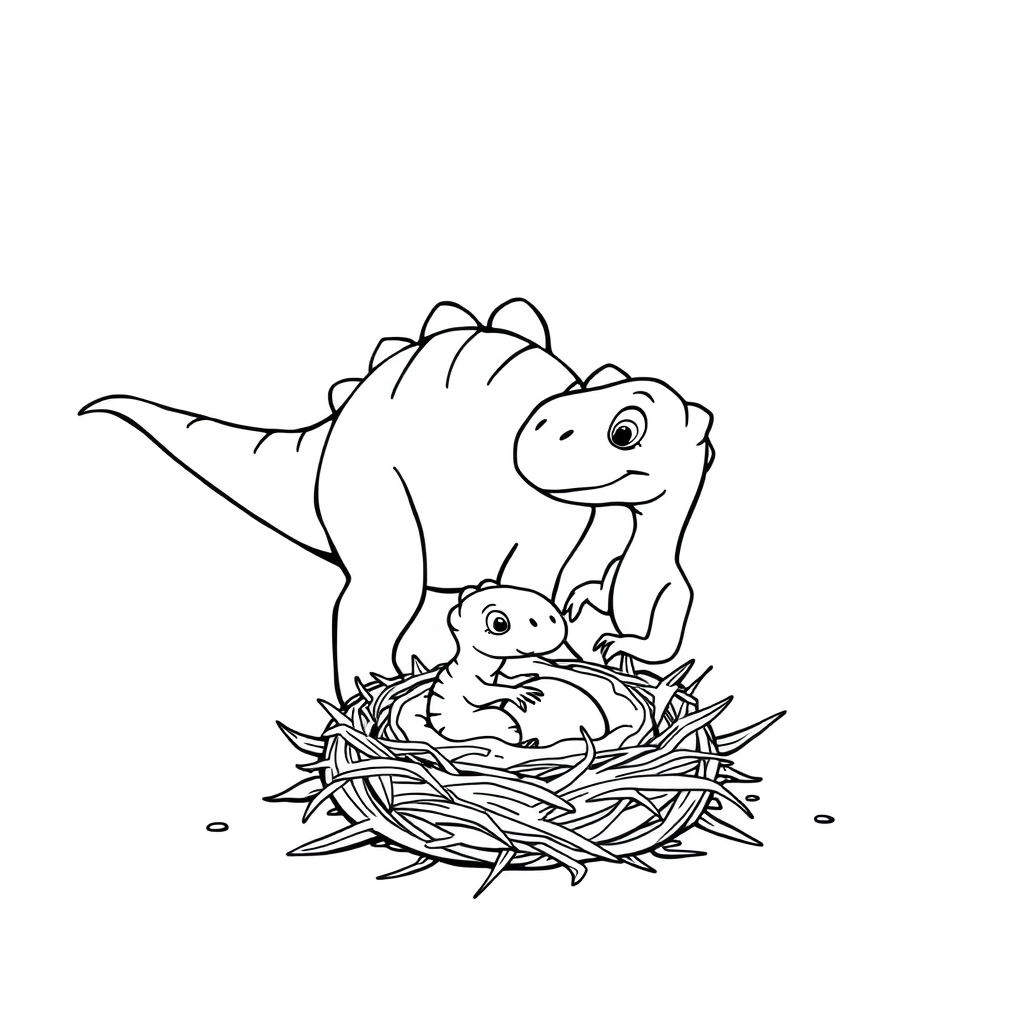
This depicts dinosaur nests, teaching about reproduction.
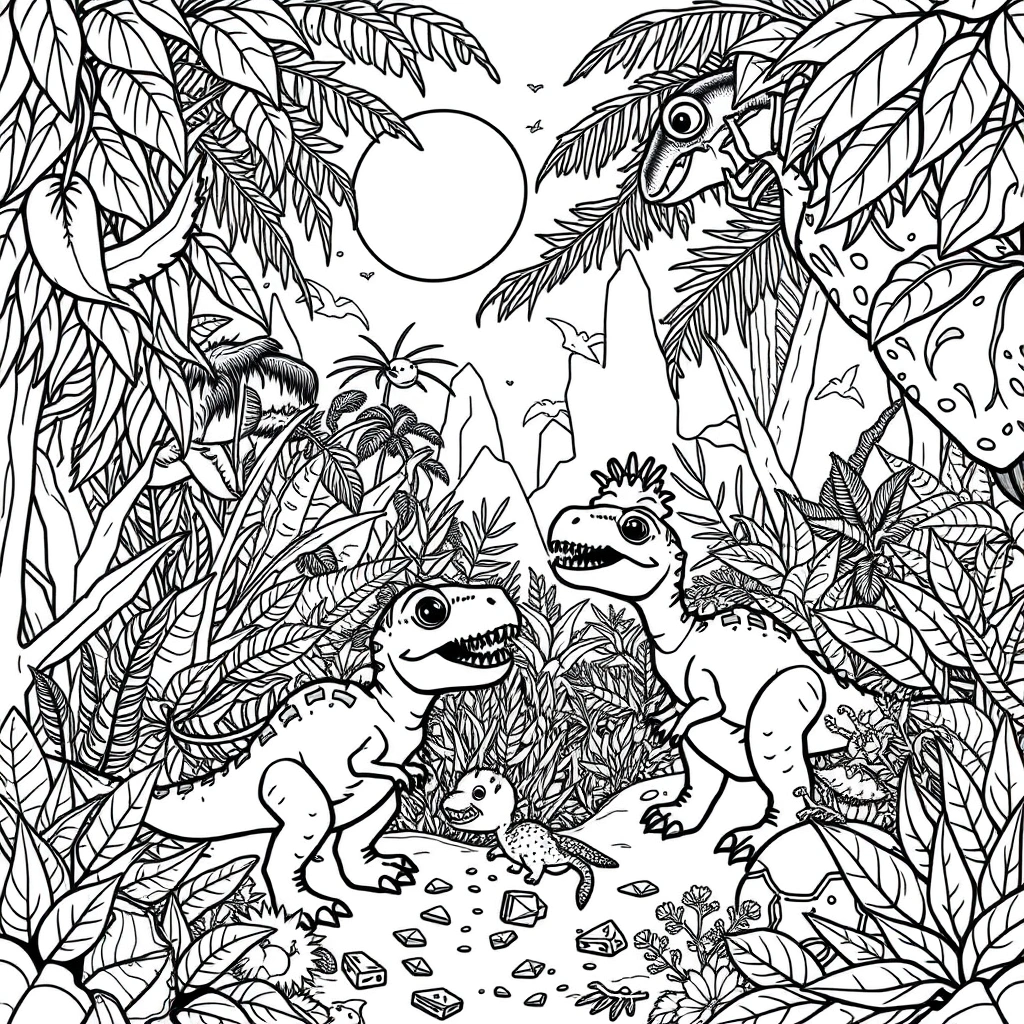
Children learn about the extinction of dinosaurs and theories surrounding it.
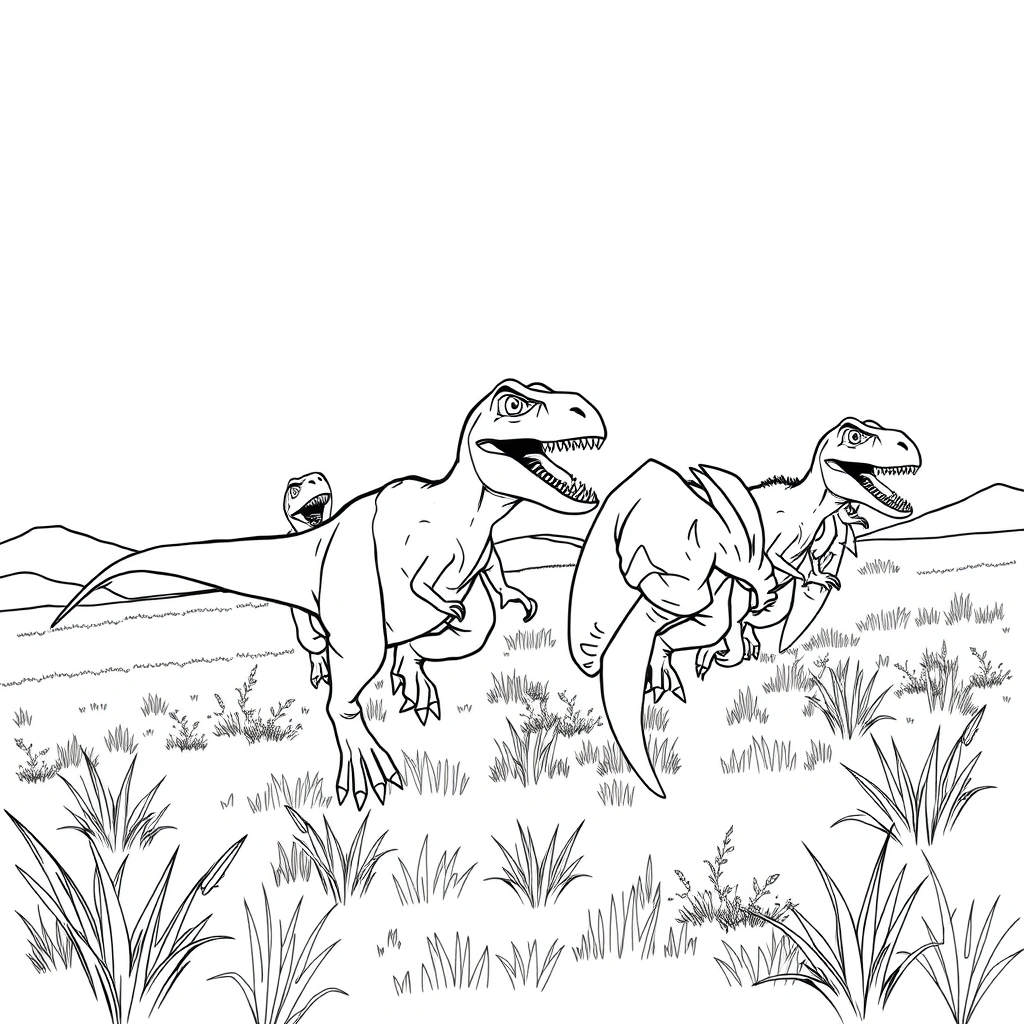
This scene showcases how dinosaurs might have adapted to their environment.
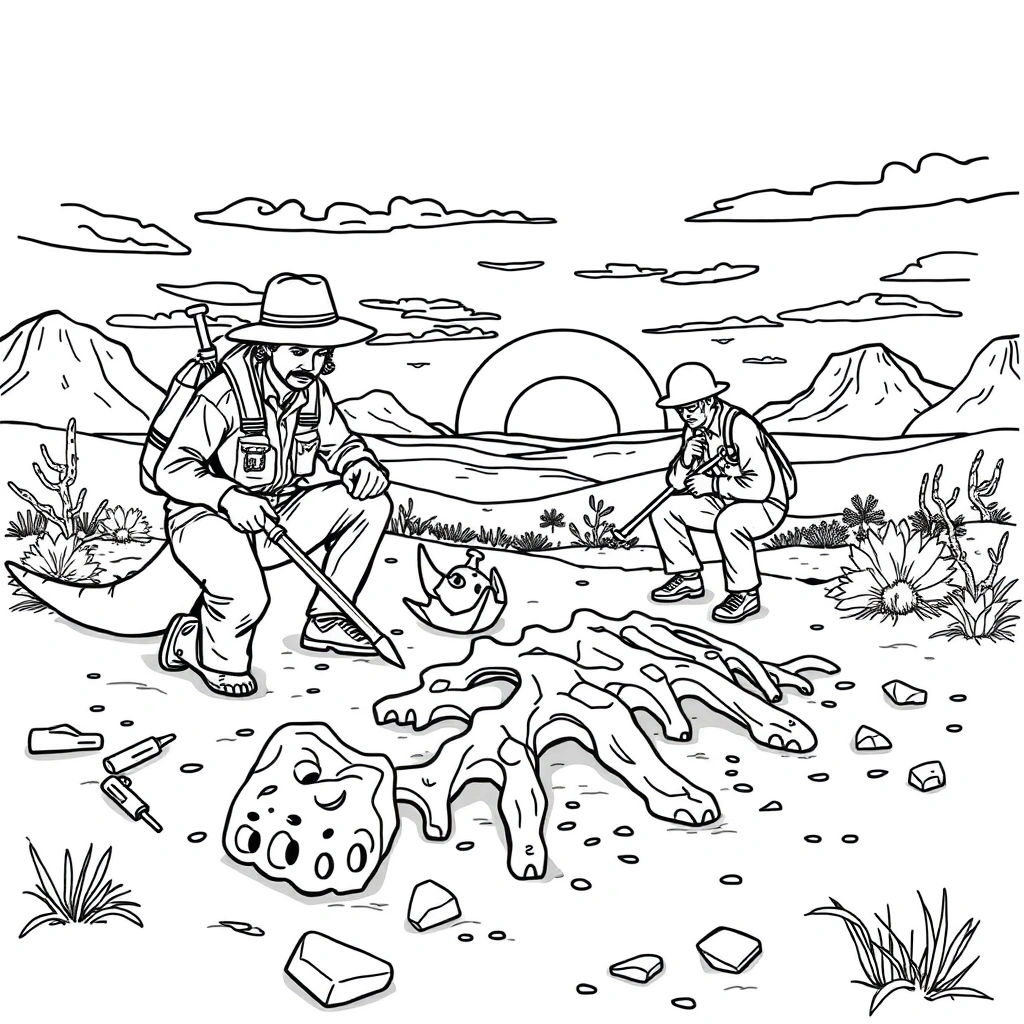
Kids can understand how paleontologists study fossils to learn about dinosaurs.
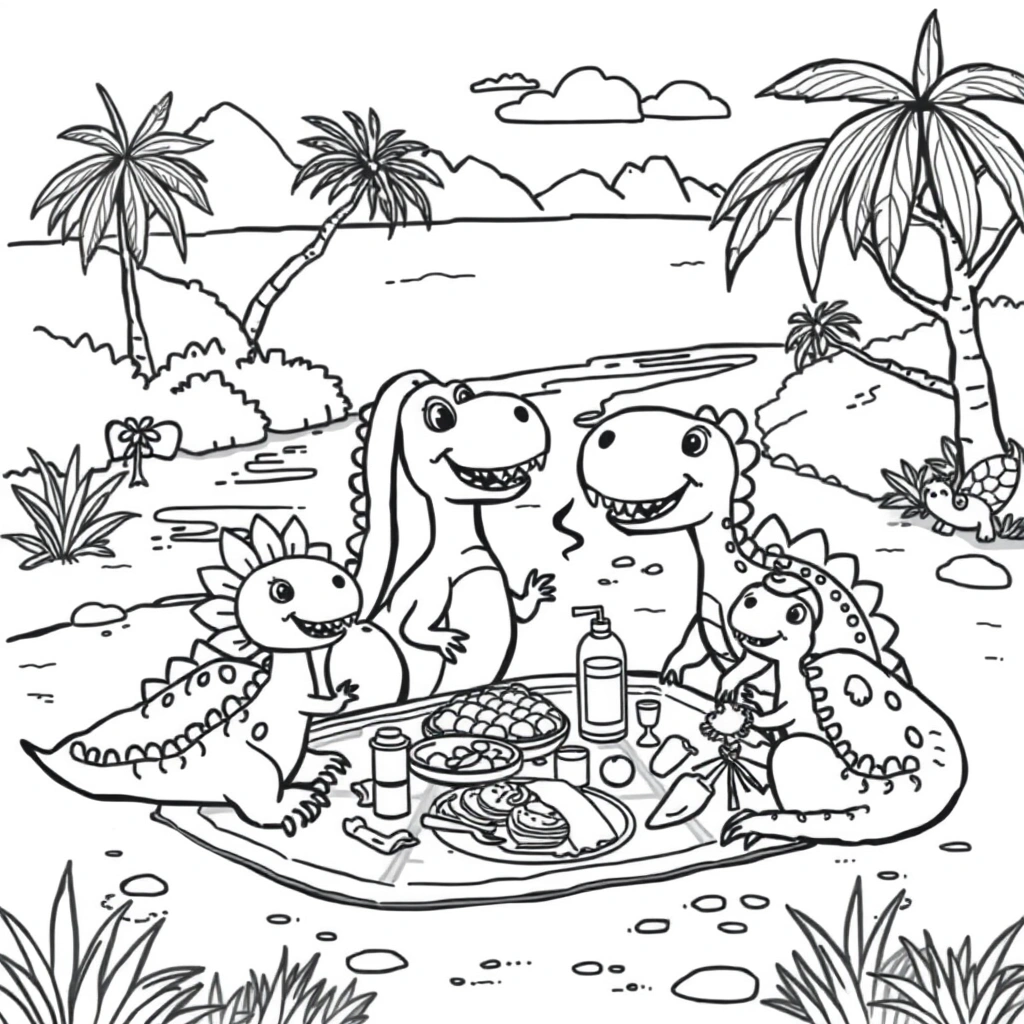
This scene might illustrate how dinosaurs are related to modern birds.
Our dinosaur coloring pages bring prehistoric worlds to life with twelve distinct scenes kids will recognize from books and museum visits. Young artists can fill in a Triceratops pushing through forest ferns, add stripes to a roaring T-Rex, or give swimming colors to a Brachiosaurus wading by the water. The Pterodactyls Soaring sheet catches mid-flight wingspans against cloud backgrounds, while Stegosaurus and Friends groups multiple species in one busy page. For storytelling minds, Dino Adventure and Raptor Chase set up action moments ready for dramatic color choices. Even quieter moments have space here: Caring Dinosaur Parents shows gentle giants, and Dino Family Picnic layers a silly, relatable scene over the Mesozoic backdrop.
These free printable sheets range from simple bold outlines for preschoolers to detailed fossil and foliage textures that keep older kids engaged. Little hands do well with the Dinosaur Playground and Dinosaurs Party pages, where large shapes reward chunky crayons. For elementary ages, the Fossil Excavation scene invites careful pencil work on bone patterns and rock strata. Color choices can stay classic—forest greens for Triceratops habitats, muddy browns for T-Rex—or drift into fantasy purples and sunset oranges. Feathered dinosaur research has changed how we picture raptors; kids might try rust and amber on those sheets. Water-based markers blend nicely on sky backgrounds behind soaring pterodactyls.
Teachers often print the full set for a dinosaur unit hook: hand out Brachiosaurus by the Water during read-aloud time, or use Fossil Excavation as a calm-down activity after recess. The Dinosaur Playground page works well as a birthday party table cover—lay out a stack and let guests color between cake and games. At home, parents reach for these on sick days or long weekends; the Raptor Chase sheet can absorb a solid twenty minutes of focused quiet. Because every image prints clean on standard letter paper, you can run off extras without planning ahead. Keep a folder of finished pages and kids build their own natural history portfolio.
Turn finished dinosaur coloring pages into a bedroom museum display. Have kids cut out their colored T-Rex or Pterodactyls, then mount each on slightly larger black construction paper to fake a fossil-hall frame. Arrange the collection in timeline order—pterosaurs aloft, then raptors, then towering Brachiosaurus—taped in a hallway parade. For a three-dimensional touch, fold a second print into a standing tent shape so a Stegosaurus and Friends scene straddles a bookshelf. Swap in new free printable sheets as seasons change, or mail a colored Dino Family Picnic to a grandparent as a flat gift. The cutout scraps themselves become habitat material: torn green strips for ferns, grey chips for rocks.
The largest dinosaurs, like Argentinosaurus, weighed as much as 10 elephants!
Some dinosaurs, like the Velociraptor, were covered in feathers.
The word 'dinosaur' comes from Greek and means 'terrible lizard'.
Some dinosaurs lived in herds, while others were solitary.
Triceratops had three horns and a large frill, which may have helped protect it from predators.
Dinosaurs laid eggs, much like today's birds and reptiles.
Can't find the perfect page?
Type an idea like the ones above — or upload a photo — and ColorHippo turns it into printable line art in seconds.
15 free credits · No credit card
Your coloring page is downloading
Want a Dinosaur page made just for you?
Describe it and AI draws it in seconds — your first 15 credits are free.
Create a custom page