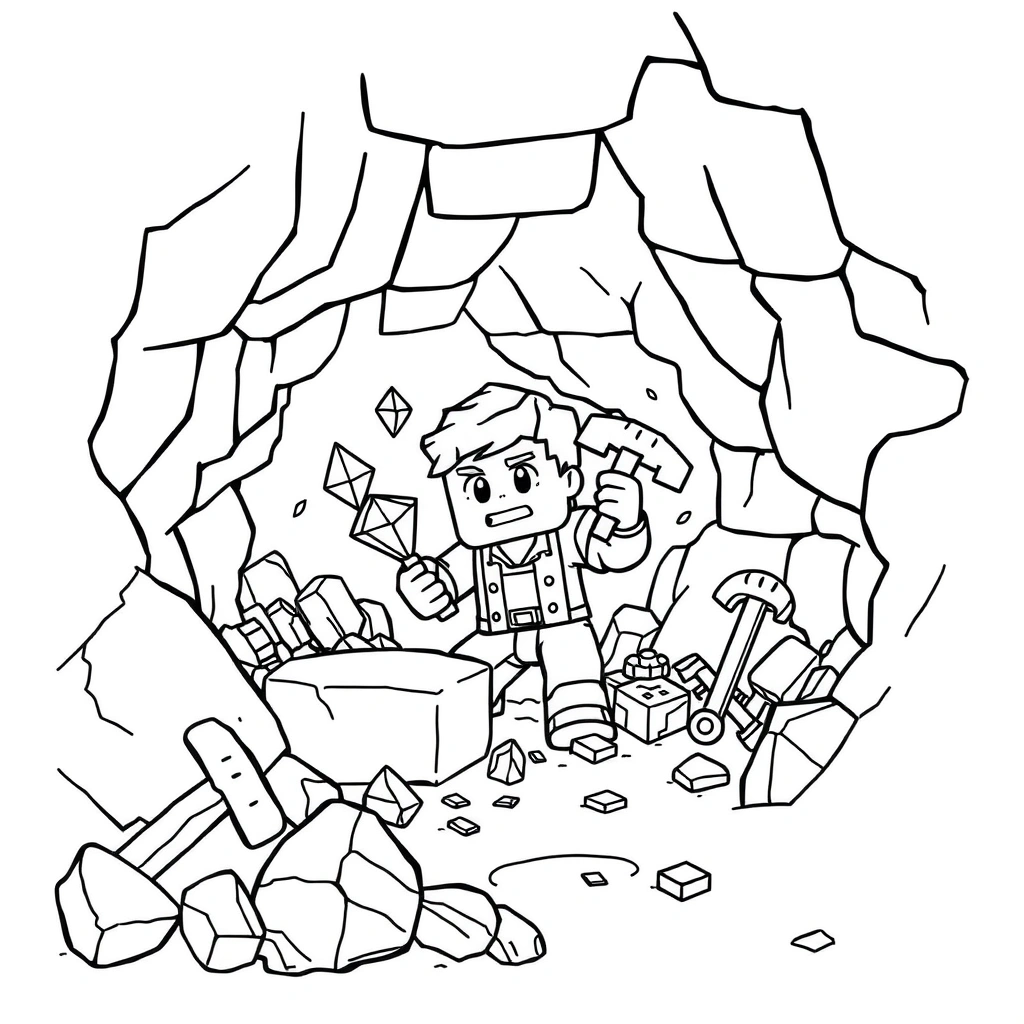
Steve Mining for Diamonds
Children can discuss tools, resources, and how careful planning helps in mining scenes.
Reviewed by the ColorHippo team • Updated July 22, 2026. Line art tested for fans who want clean prints for markers, pencils, or crayons.
ColorHippo is an independent resource and is not affiliated with game publishers or trademark holders shown in these pages.
Children can discuss tools, resources, and how careful planning helps in mining scenes.
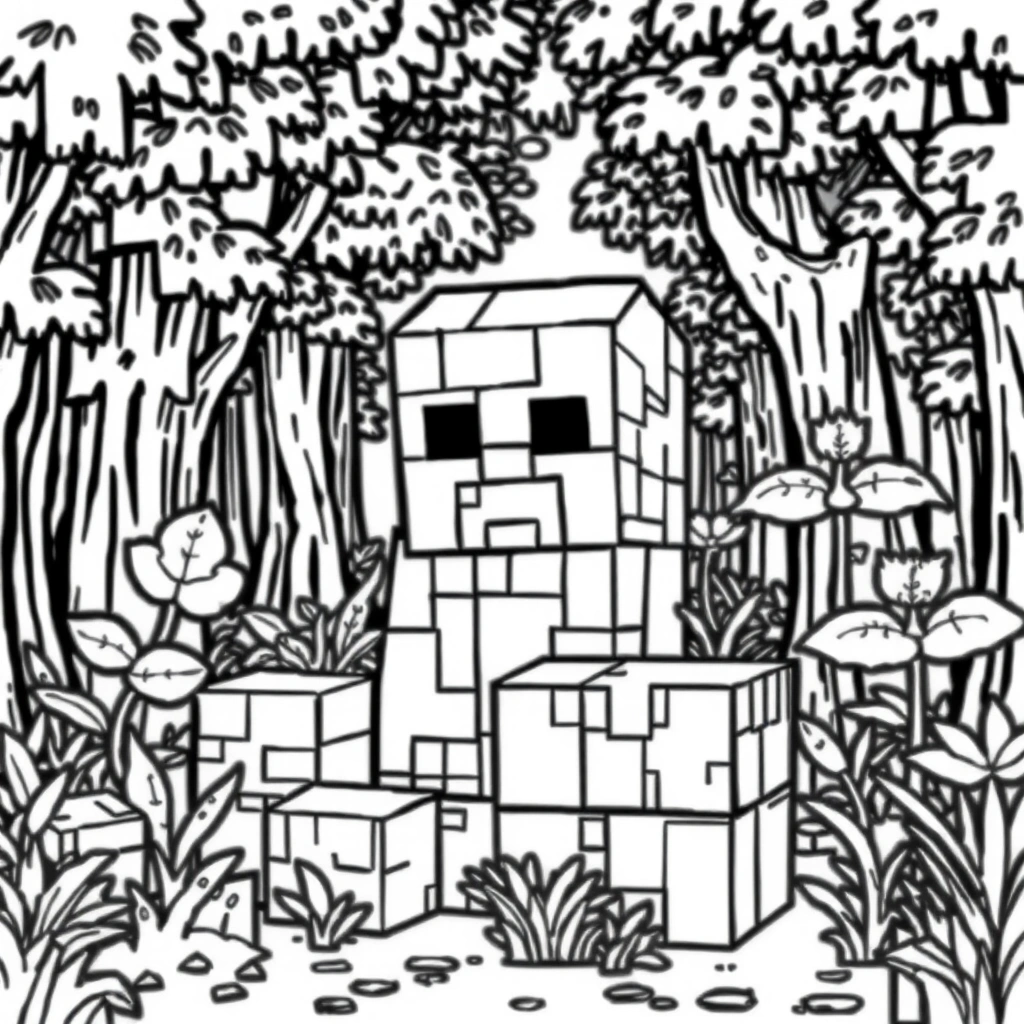
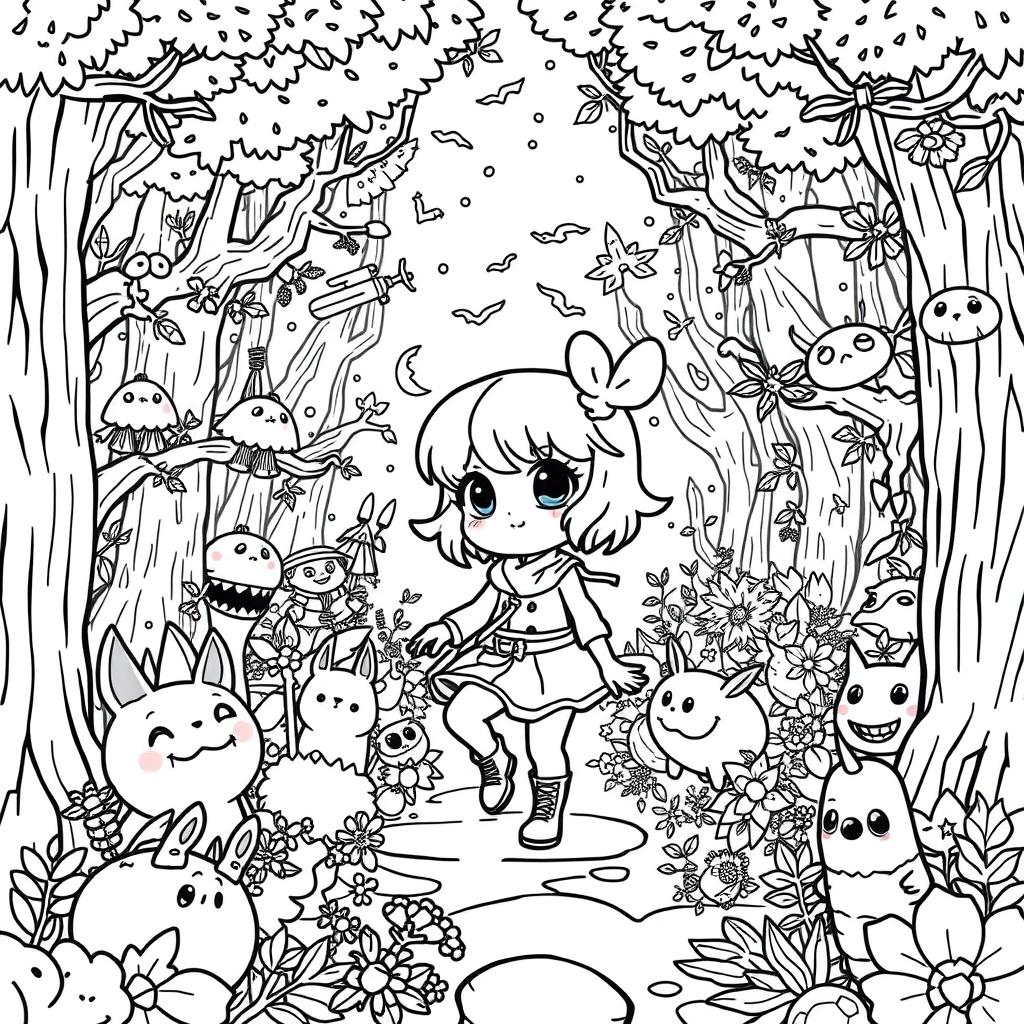
Kids can notice forest details, hidden shapes, and how characters interact with their environment.
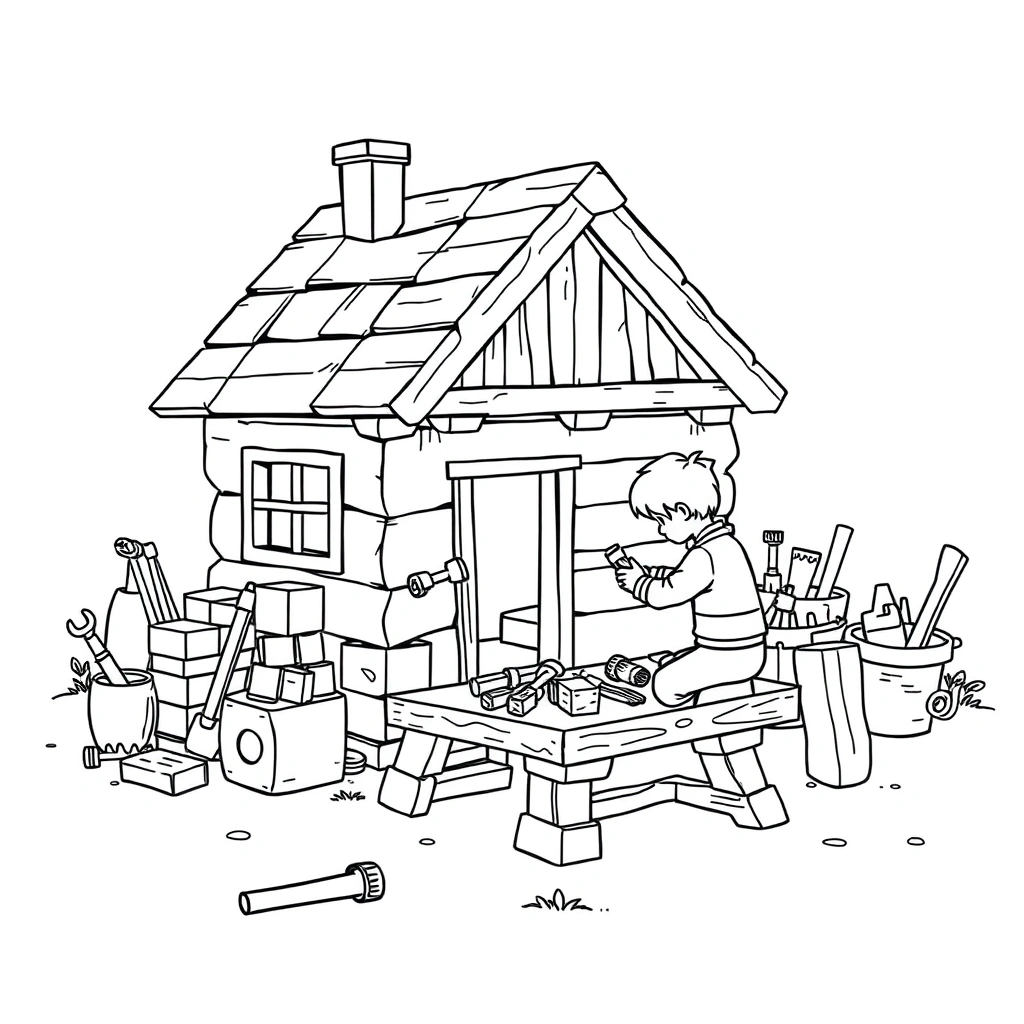
This picture supports conversations about design, construction, and building step by step.
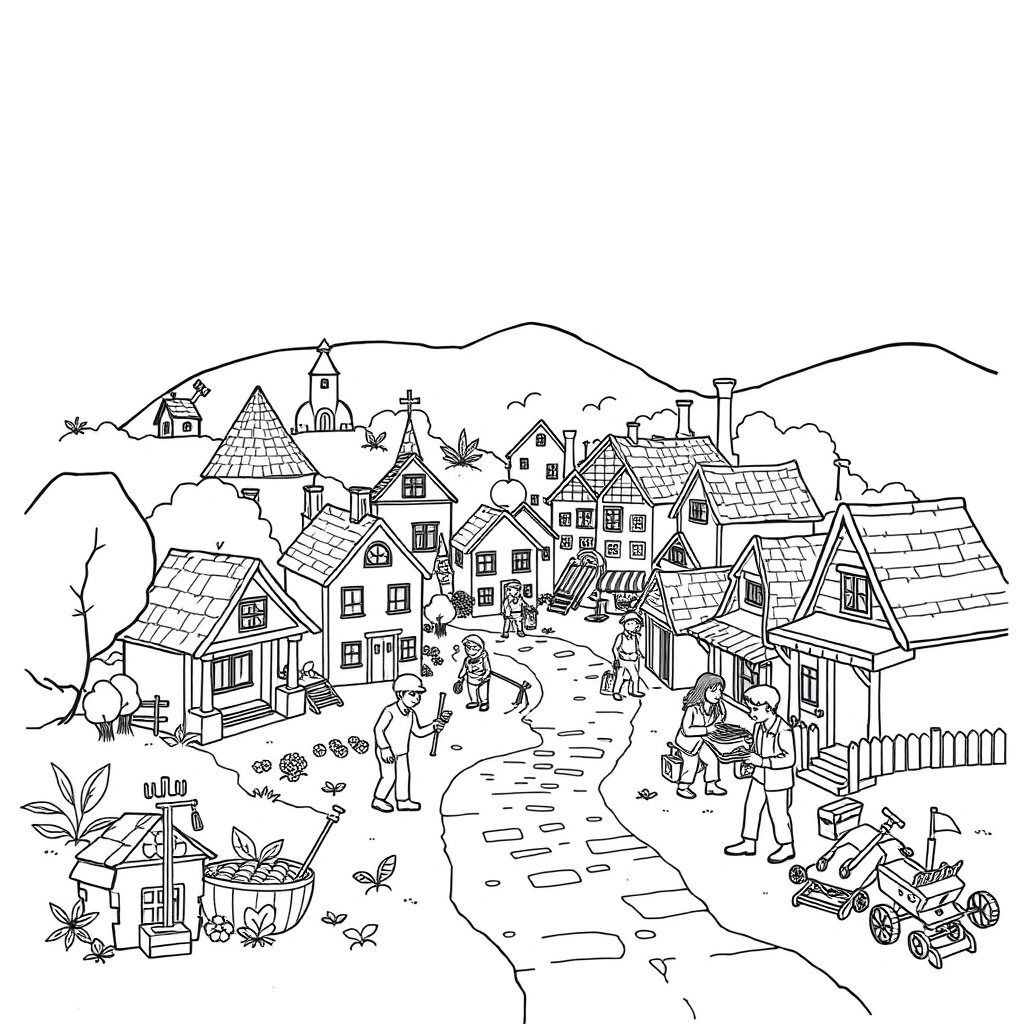
Children can explore communities, homes, jobs, and how villagers work together.
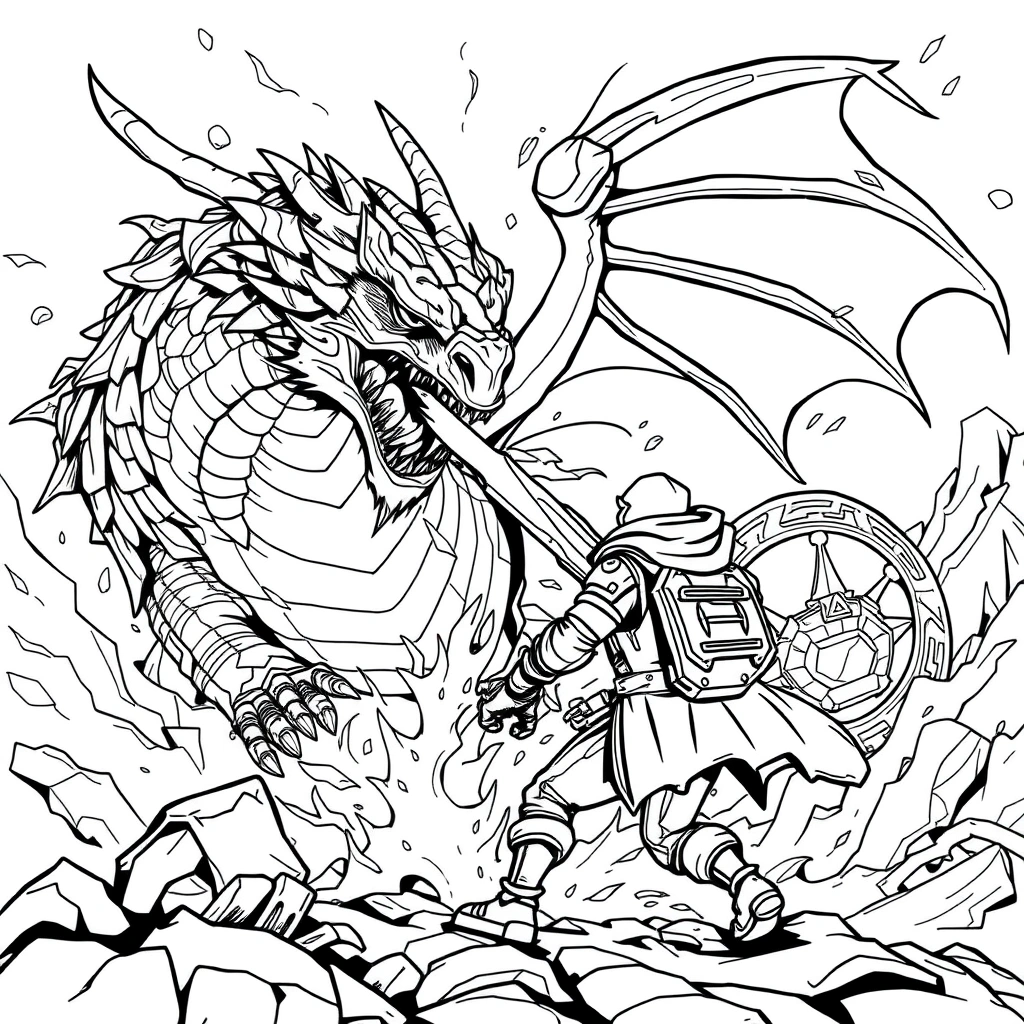
Kids can discuss strategy, courage, and how heroes prepare for big challenges.
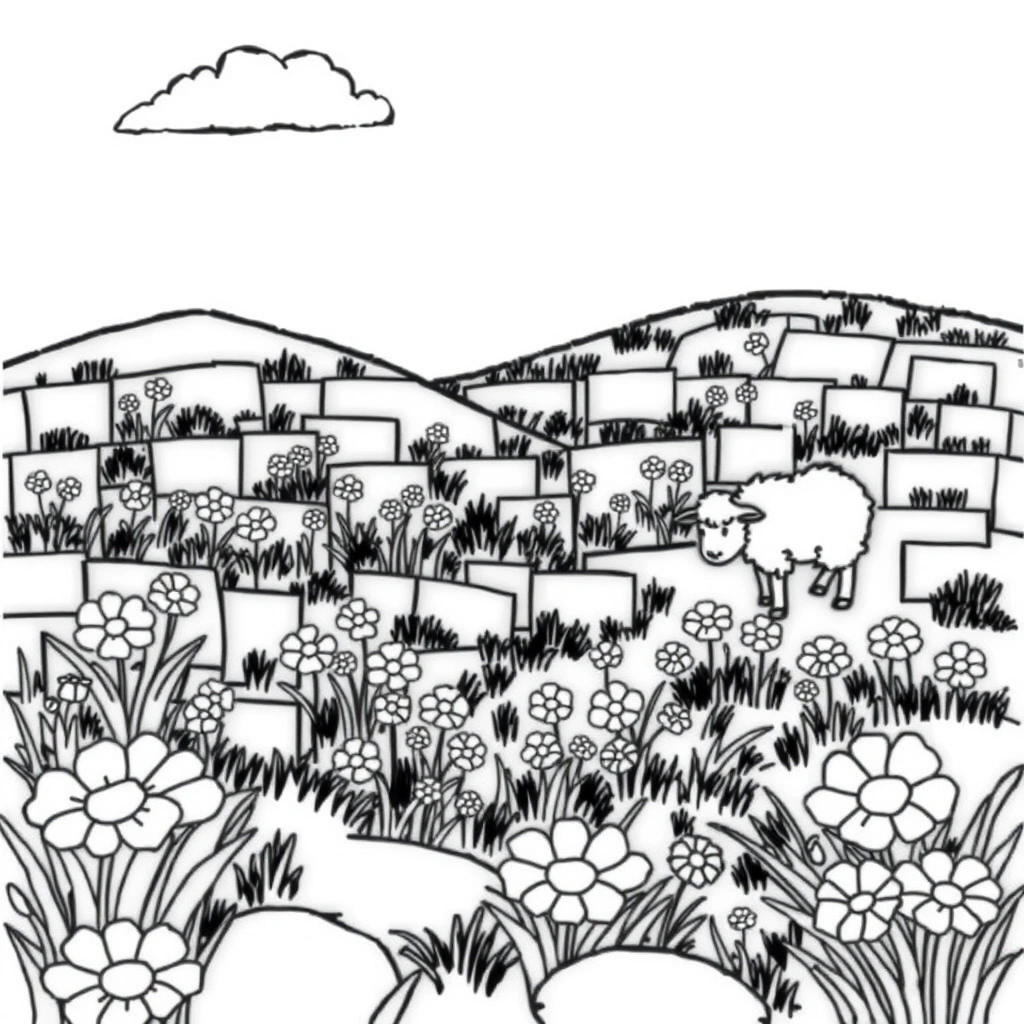
This scene introduces animals, meadows, farming, and gentle outdoor settings.
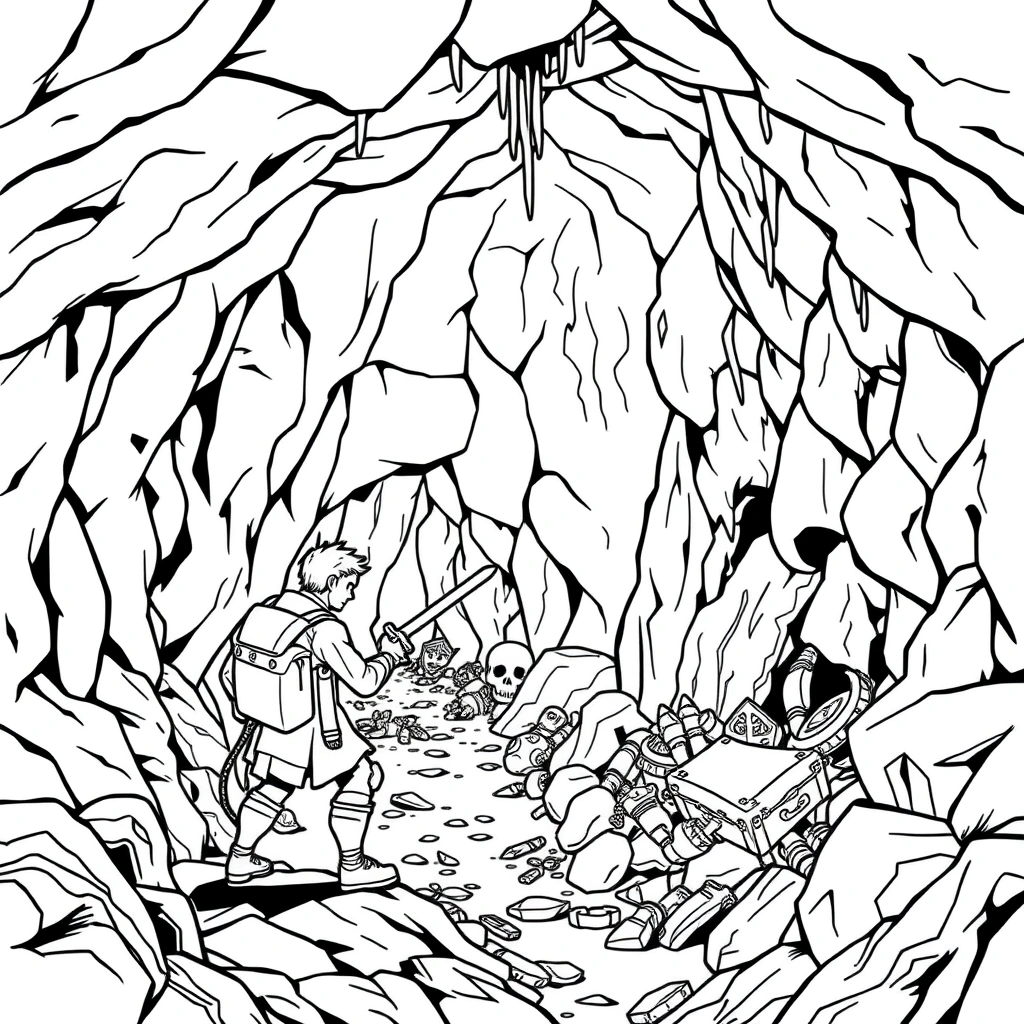
Children can talk about exploration, safety, and the tools used during cave adventures.
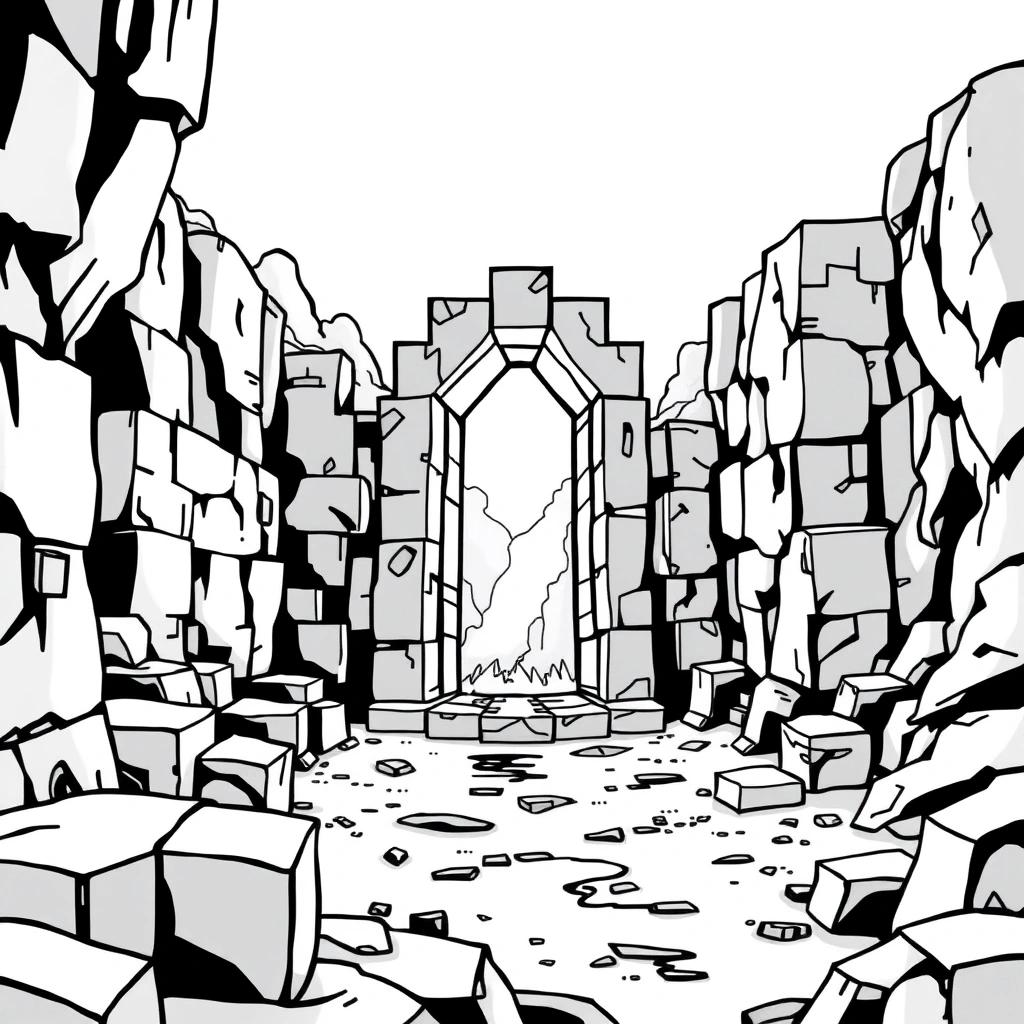
Kids can compare different worlds, portals, and the colors that create a spooky mood.
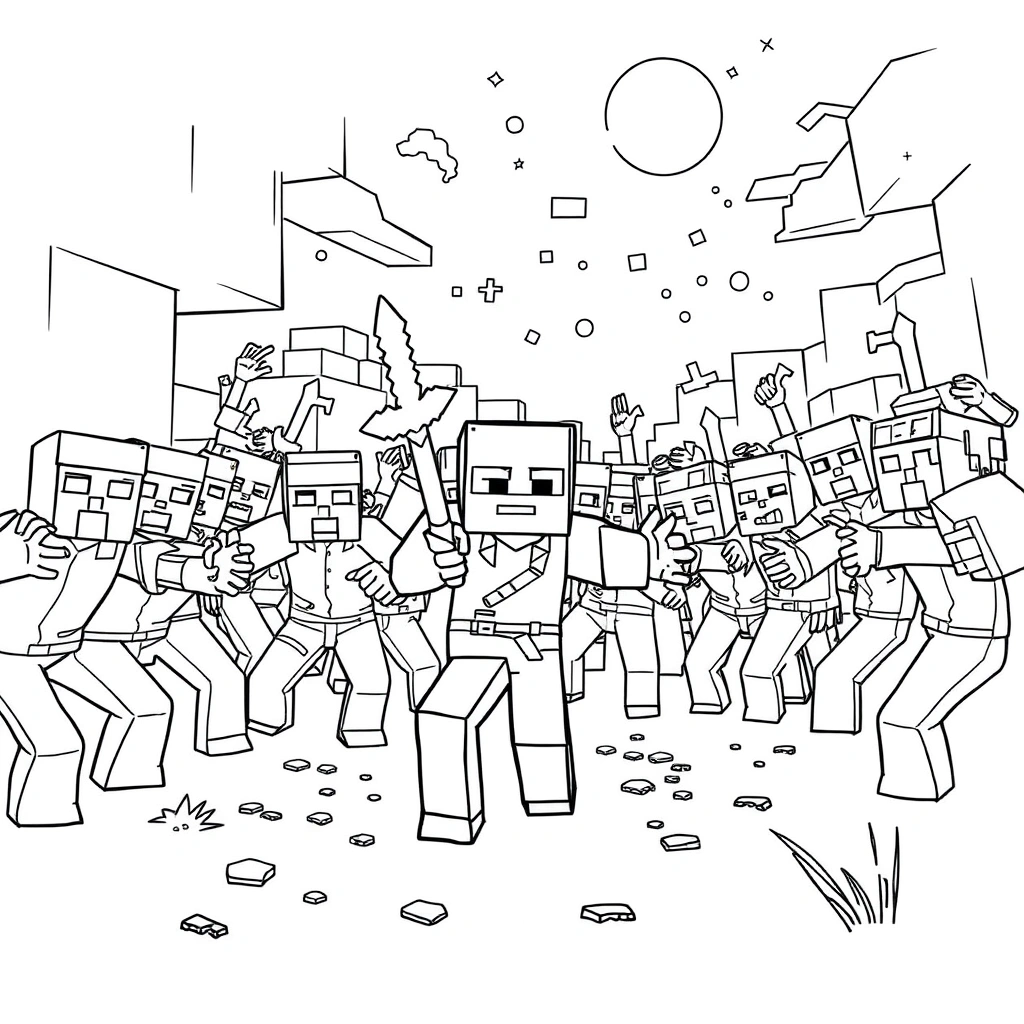
This picture supports discussion about nighttime settings, problem-solving, and staying prepared.
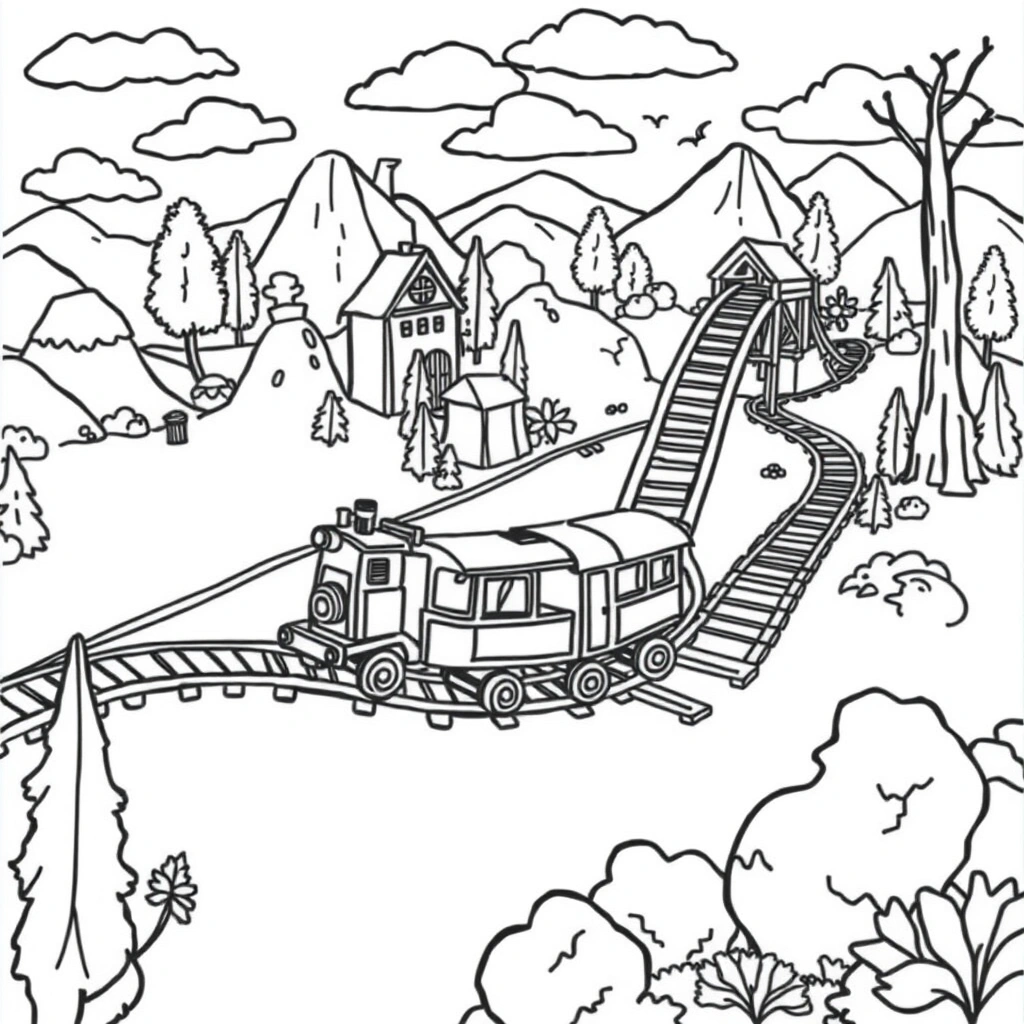
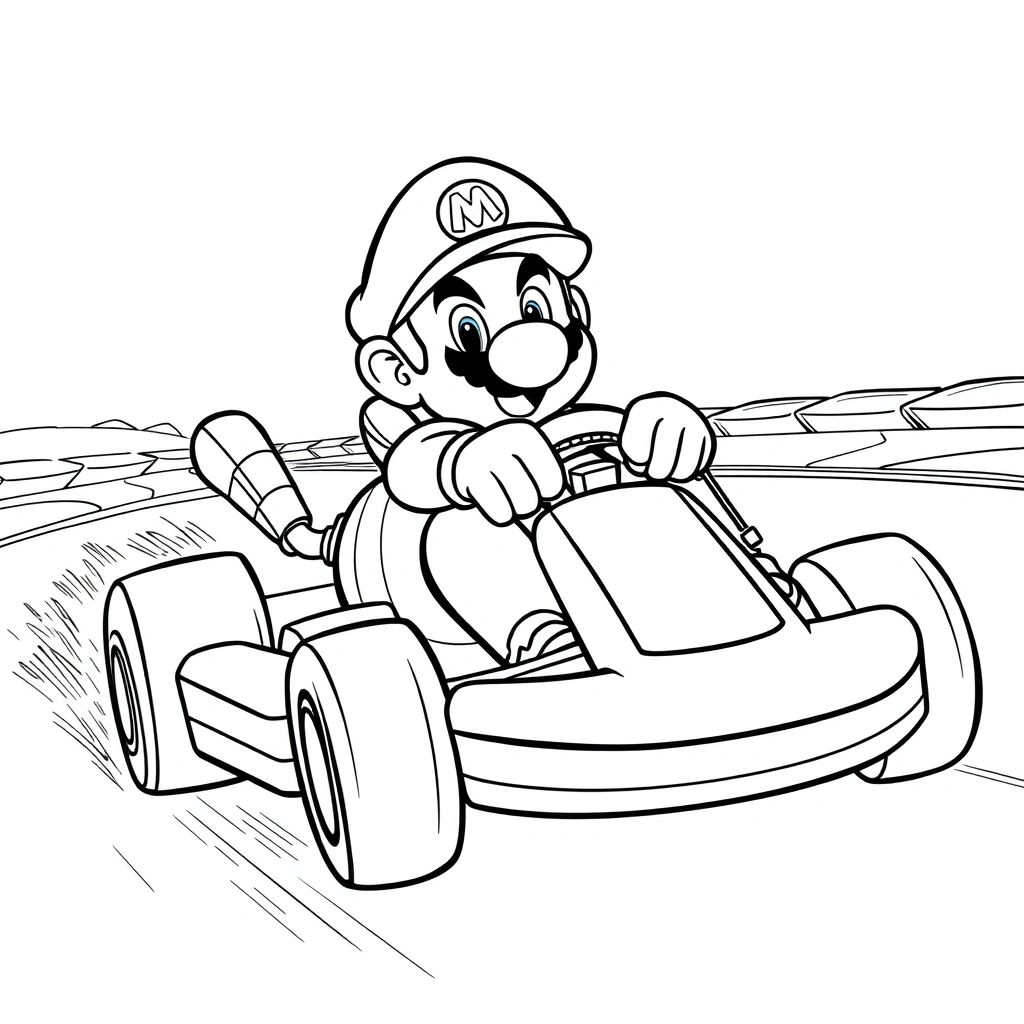
Children can explore motion, tracks, and how simple parts form a ride.
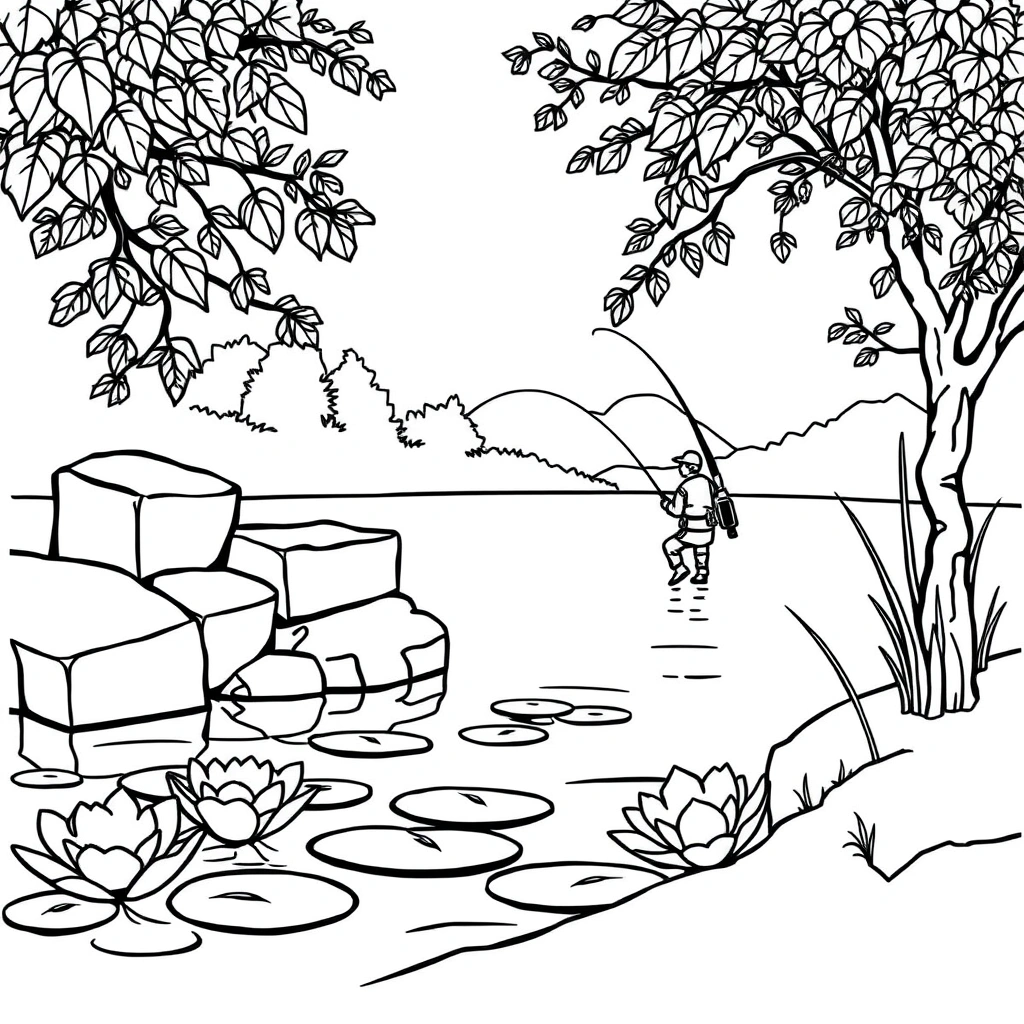
Kids can learn about ponds, patience, and peaceful outdoor activities.
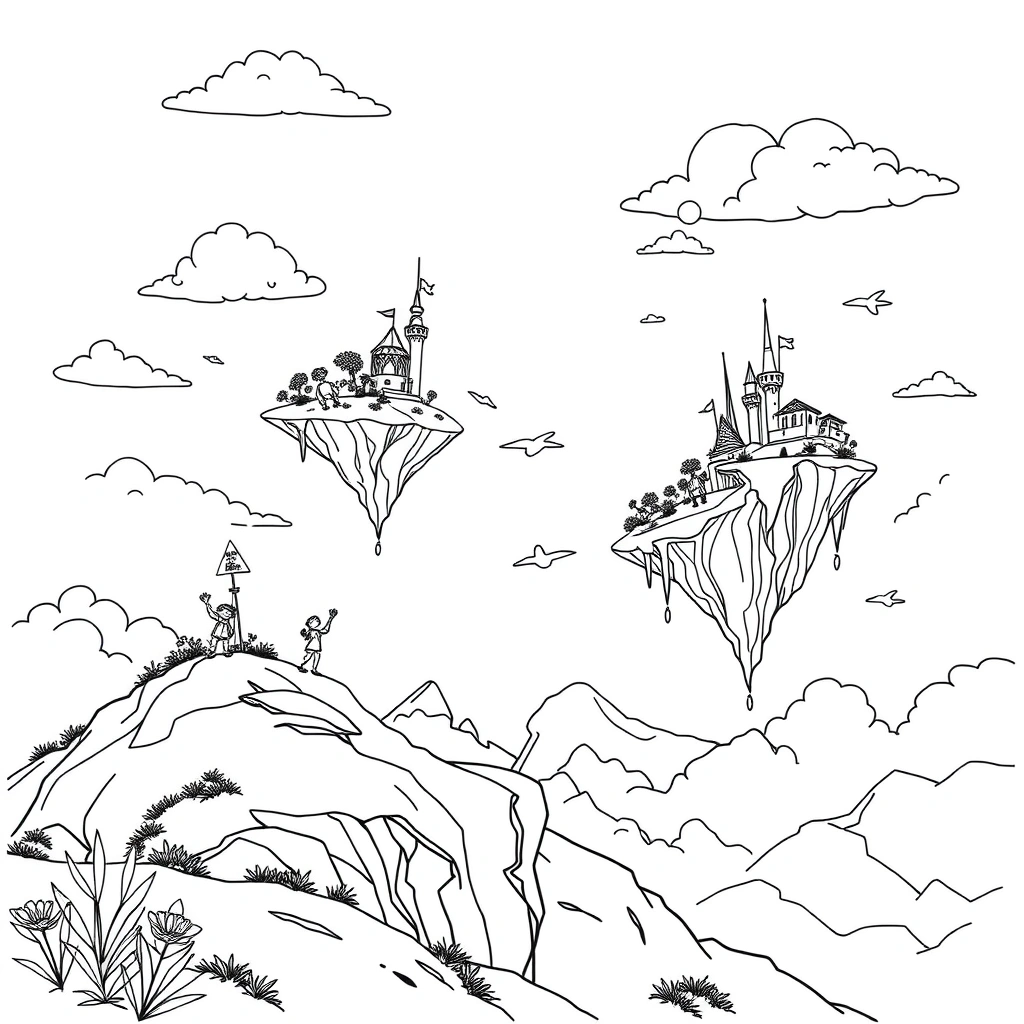
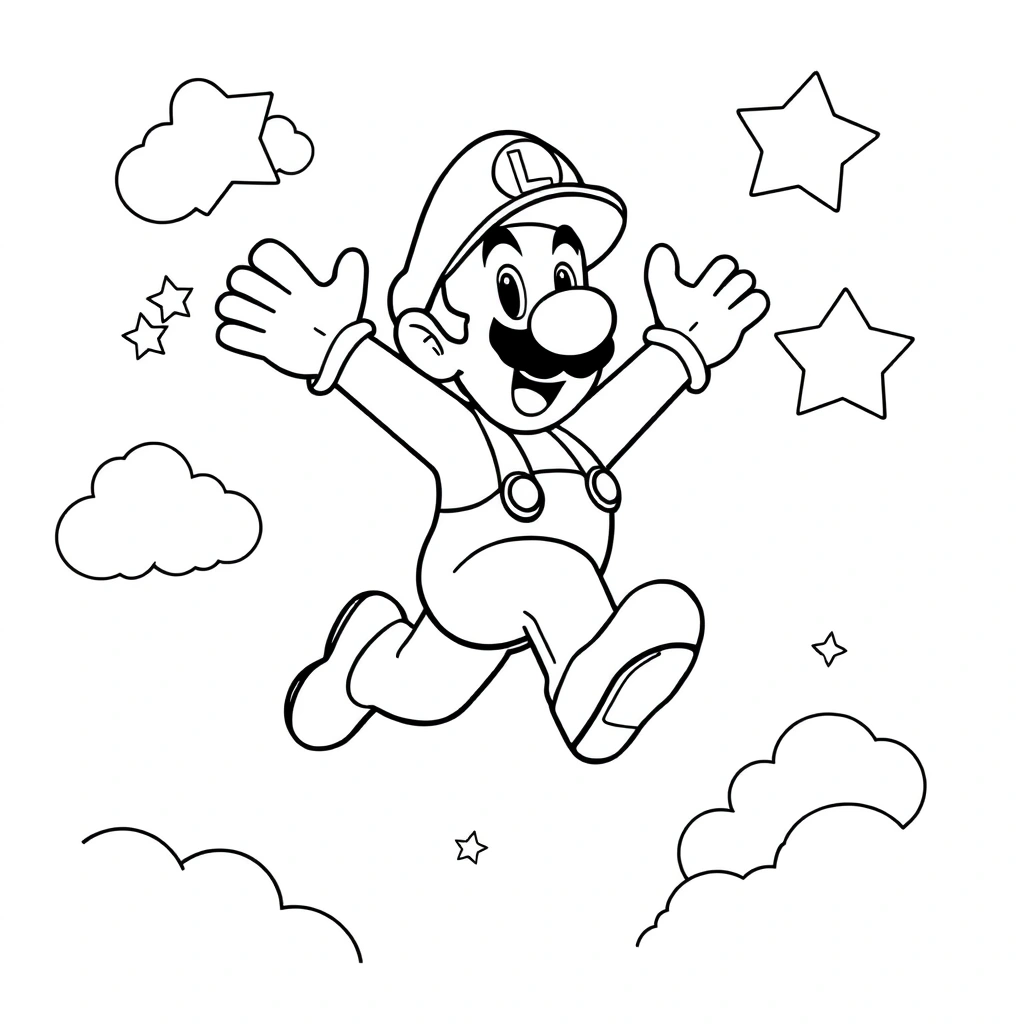
This scene encourages creativity as children imagine new places, paths, and sky-high adventures.
This collection spans the Minecraft moments players actually recognize: Steve mining diamonds underground, a Creeper lurking in a forest, villagers trading in a small town, and an Ender Dragon fight in the End. Softer scenes — sheep in a meadow, fishing by a pond, a minecart coaster — give younger fans something friendly without losing the blocky style that makes the game distinctive.
Each file downloads as a printable PNG-style sheet sized for standard letter paper. That makes these pages easy to stash for screen-free breaks, long car rides, or a gaming-themed birthday table. The gallery stays anchored to “minecraft coloring pages” — free printables you can grab individually rather than a wall of unrelated craft ideas.
Faithful colorers often reach for grass-block green, creeper lime, diamond cyan, and obsidian black for Nether portal scenes. Square sections and pixel-like edges actually help beginners: each block region has a clear border, so staying inside the lines feels achievable even for first graders.
Creative mode applies to paper too. Ask what a biome would look like if it snowed all year, or if the Ender Dragon lived in a flower forest. Watercolor pencils can suggest glowing portal light; fine-tip markers make ore veins pop in cave scenes. Comparing “realistic” versus “imagined” palettes teaches color planning without needing the game open.
Marathon play sessions benefit from a short analog reset. Print one mining scene and one peaceful meadow page — twenty minutes of coloring can ease eye strain and transition into homework or bedtime. For siblings at different skill levels, pair the simple sheep page with the zombie defense scene so everyone works at their own pace.
Teachers running STEM or game-design clubs can use finished sheets as concept art: label biomes, list resources shown in the picture, or write three survival tips for the character depicted. At home, laminate a favorite colored page and use dry-erase markers to redraw tools or add new mobs on top for repeatable fun.
Turn colored pages into a tabletop diorama. Cut out a house, tree, and character, then stand them up with folded paper tabs. Match LEGO or wooden blocks to the shapes on the page and rebuild the scene in three dimensions. A shoebox “cave” with printed ore walls makes a mining adventure display for a desk or shelf.
For literacy practice, have kids write a “patch notes” paragraph explaining what changed in their recolored world — new mob, different weather, renamed village. Story chains work well: one child colors the portal, the next describes what dimension waits on the other side. The coloring page becomes the first block in a bigger imaginative build.
Minecraft was created by Markus Persson and was first released to the public in 2009.
The game's world is made up of blocks, which represent different materials like dirt, stone, and water.
There are various modes in Minecraft, including Creative and Survival, each offering unique challenges.
In Minecraft, players can craft tools and weapons to help them survive against mobs like zombies and skeletons.
The game encourages teamwork and collaboration when players build and explore together.
Minecraft has a huge community with millions of players, making it one of the best-selling video games of all time.
Can't find the perfect page?
Type an idea like the ones above — or upload a photo — and ColorHippo turns it into printable line art in seconds.
15 free credits · No credit card
Your coloring page is downloading
Want a Minecraft page made just for you?
Describe it and AI draws it in seconds — your first 15 credits are free.
Create a custom page