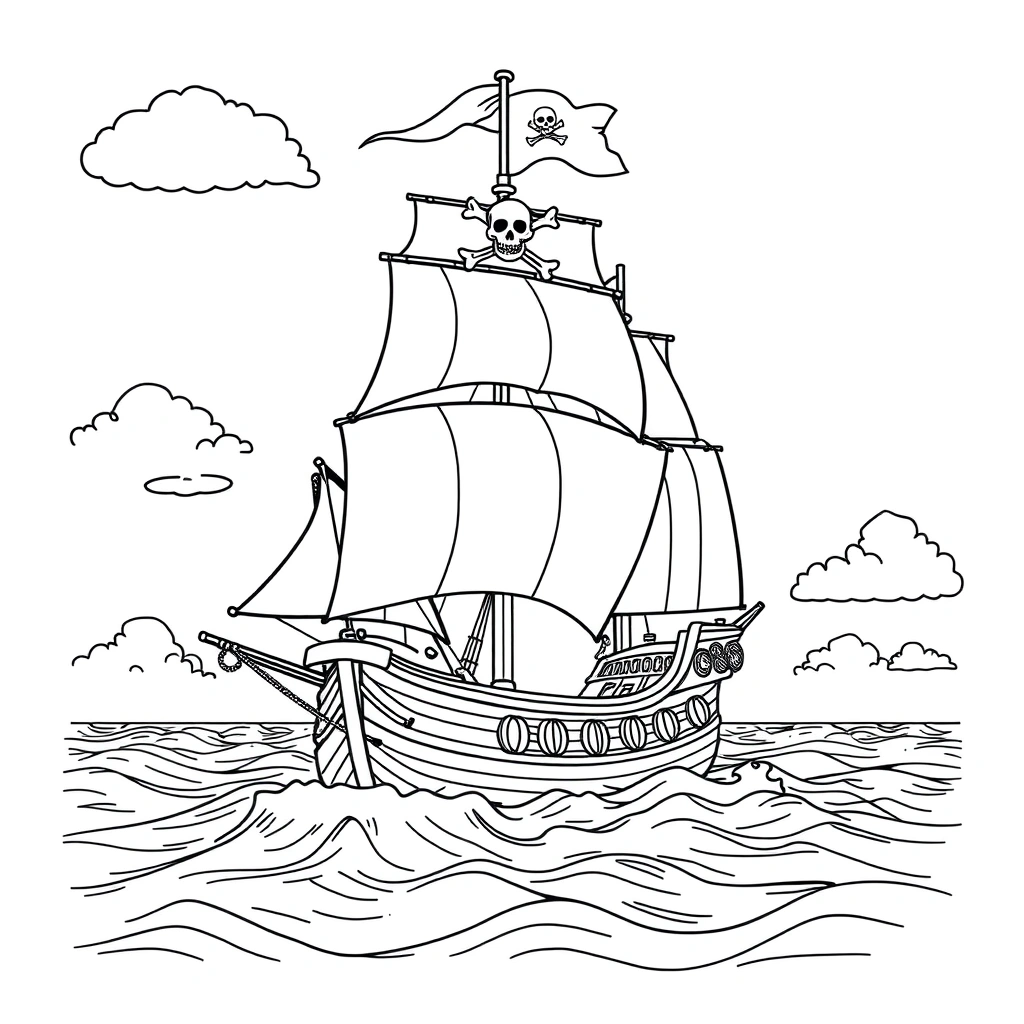
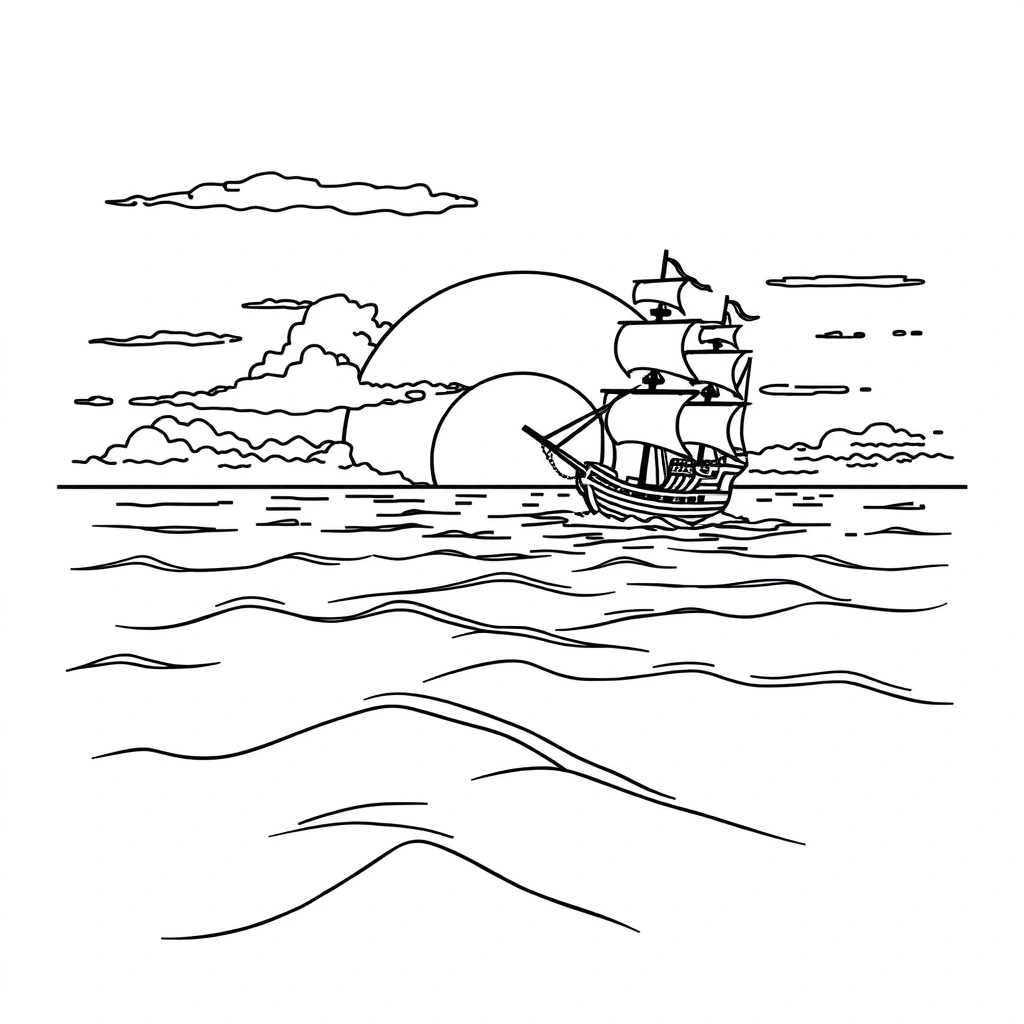
Pirate Ship on the Horizon
Kids can learn about the different types of pirate ships and their designs.
Reviewed by the ColorHippo team • Updated July 22, 2026. Figure outlines reviewed for expressive poses and enough space to color faces and clothing.
Kids can learn about the different types of pirate ships and their designs.
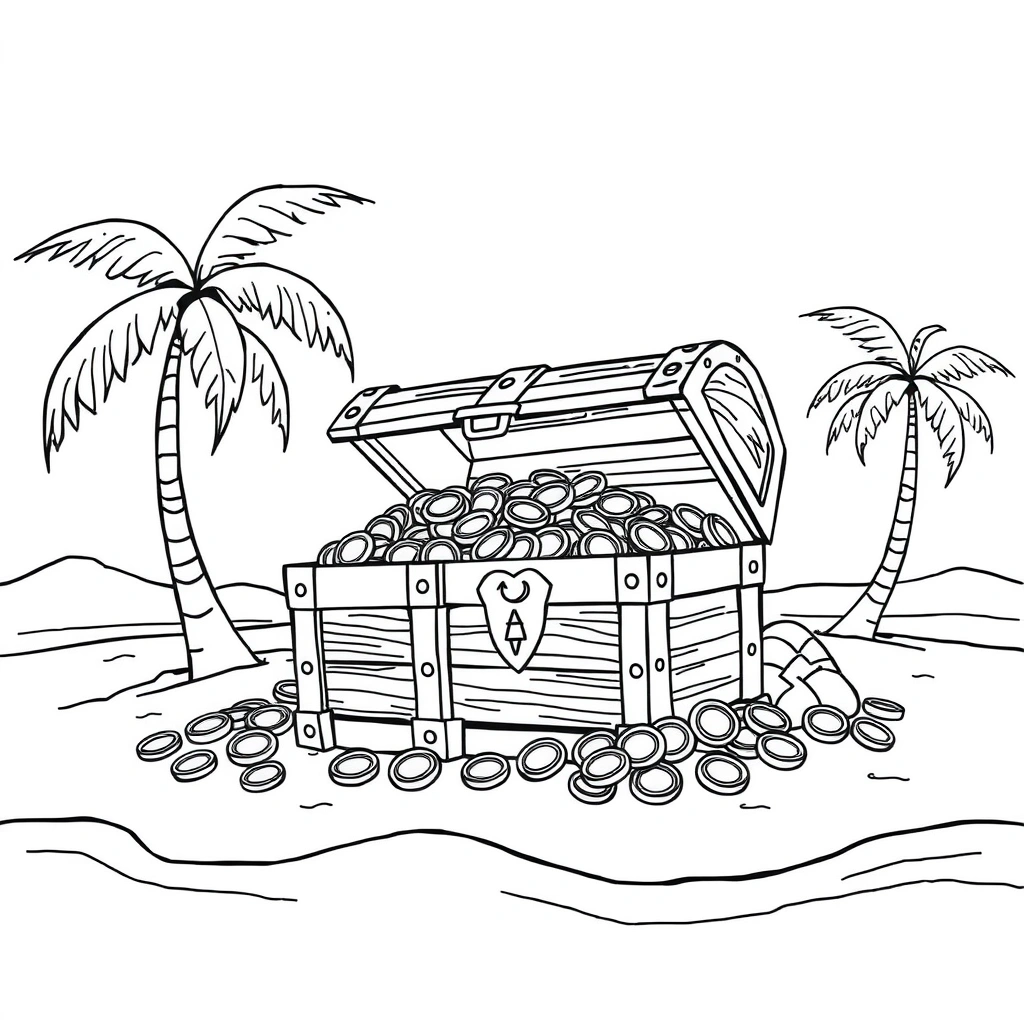
This scene shows treasures, teaching children about the concept of treasure hunting and its historical context.
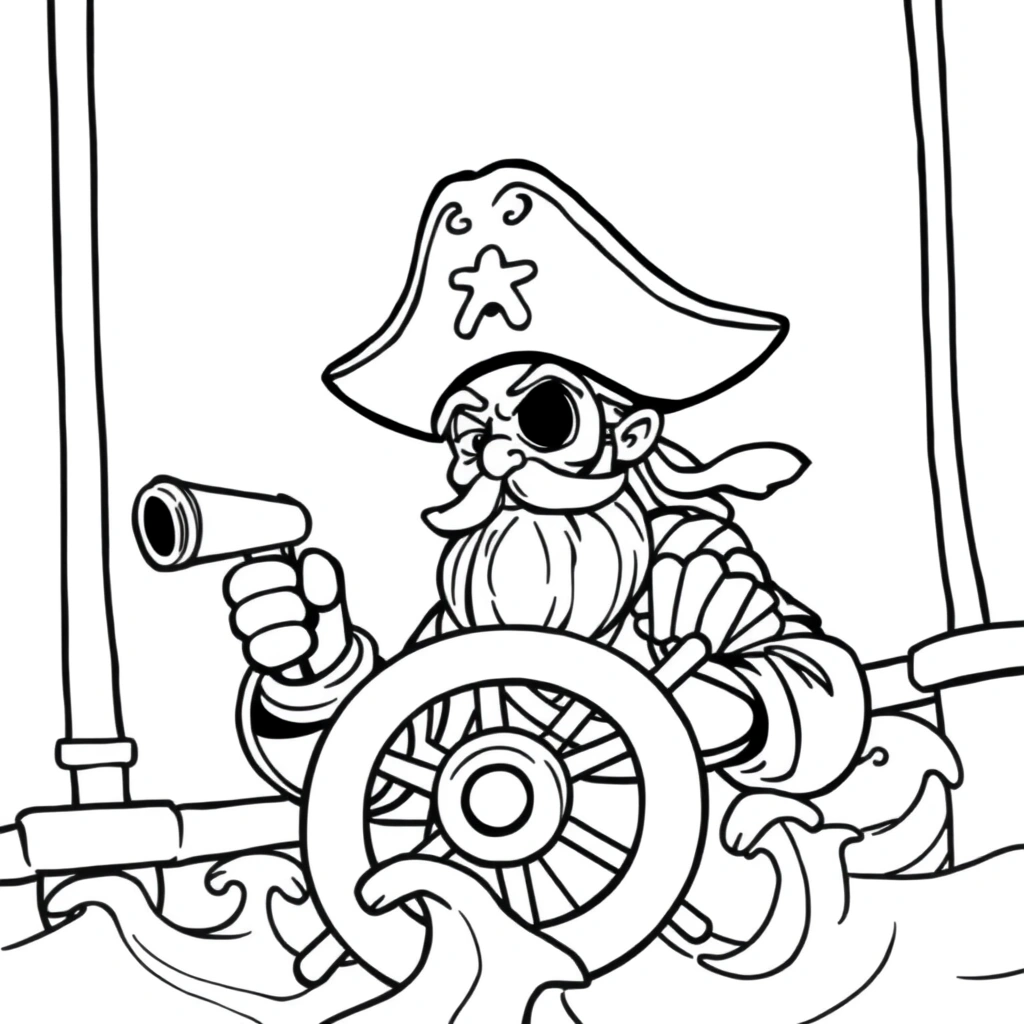
Children can understand the importance of teamwork as pirates often worked together on their adventures.
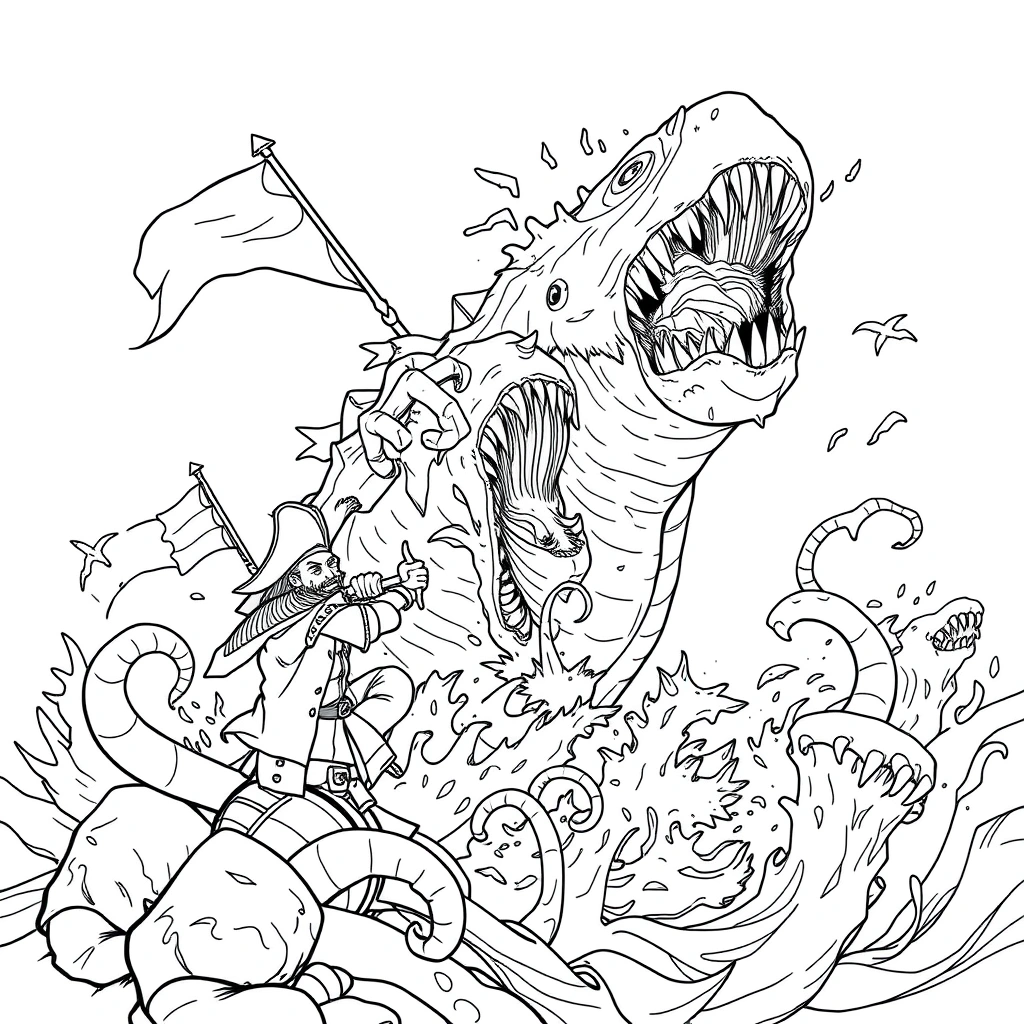
From this image, kids learn about the attire of pirates and how clothing reflects their lifestyle.
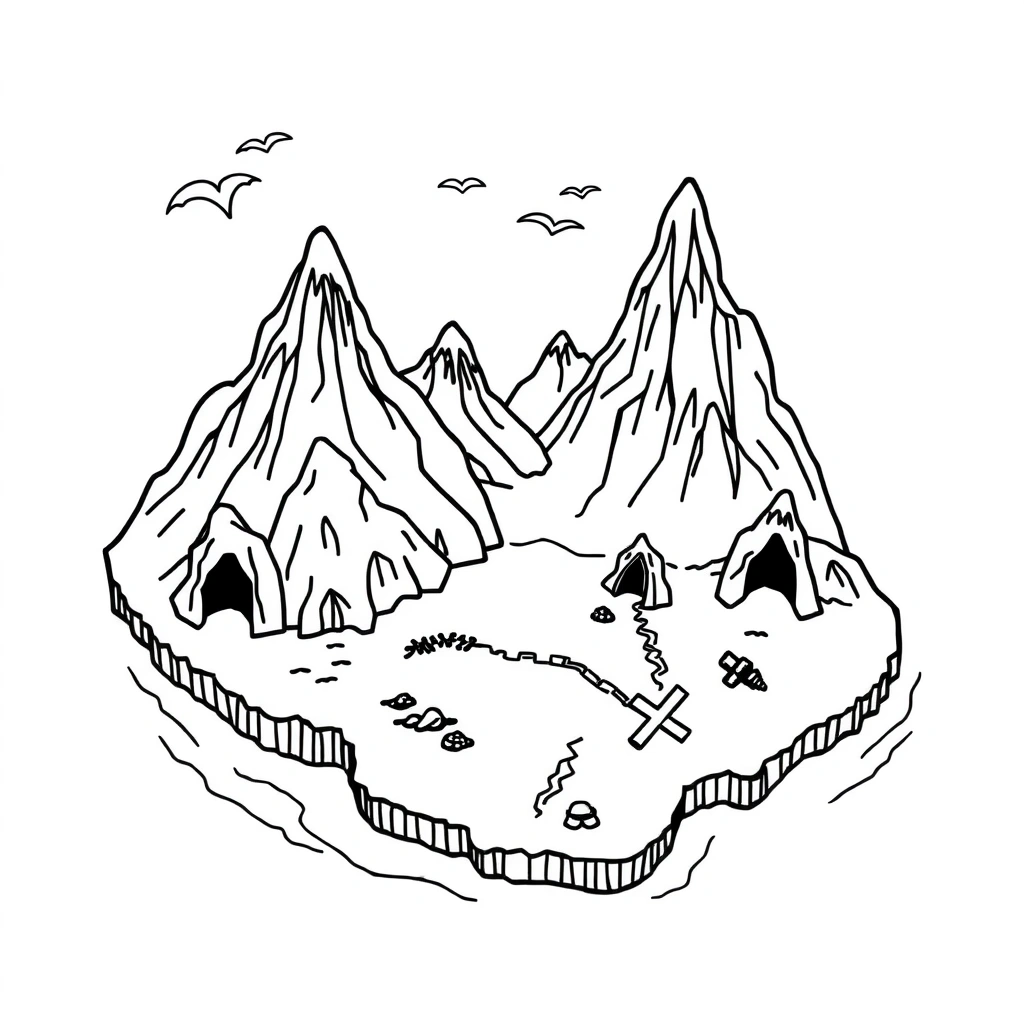
This scene illustrates the ocean environment, contributing to discussions about marine life.
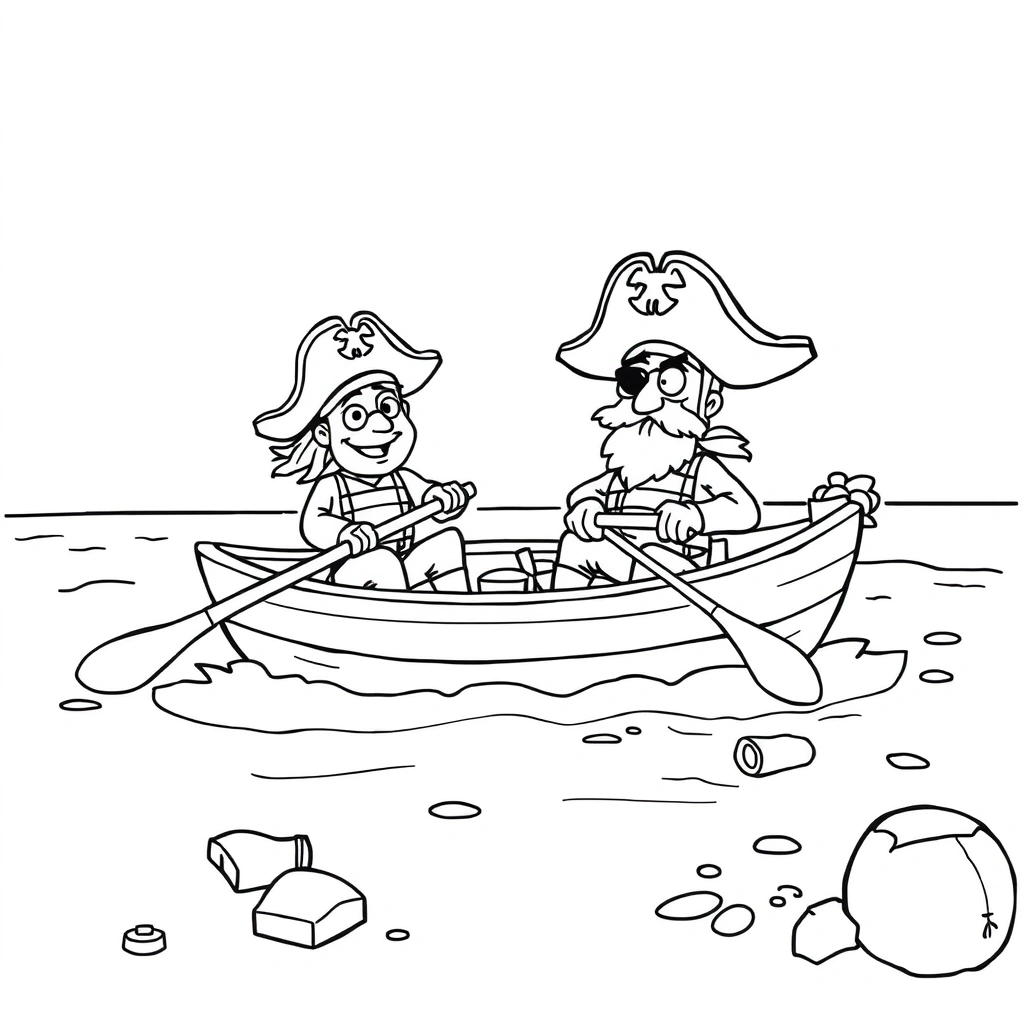
Here, children can learn about the tools pirates used, like compasses and maps for navigation.
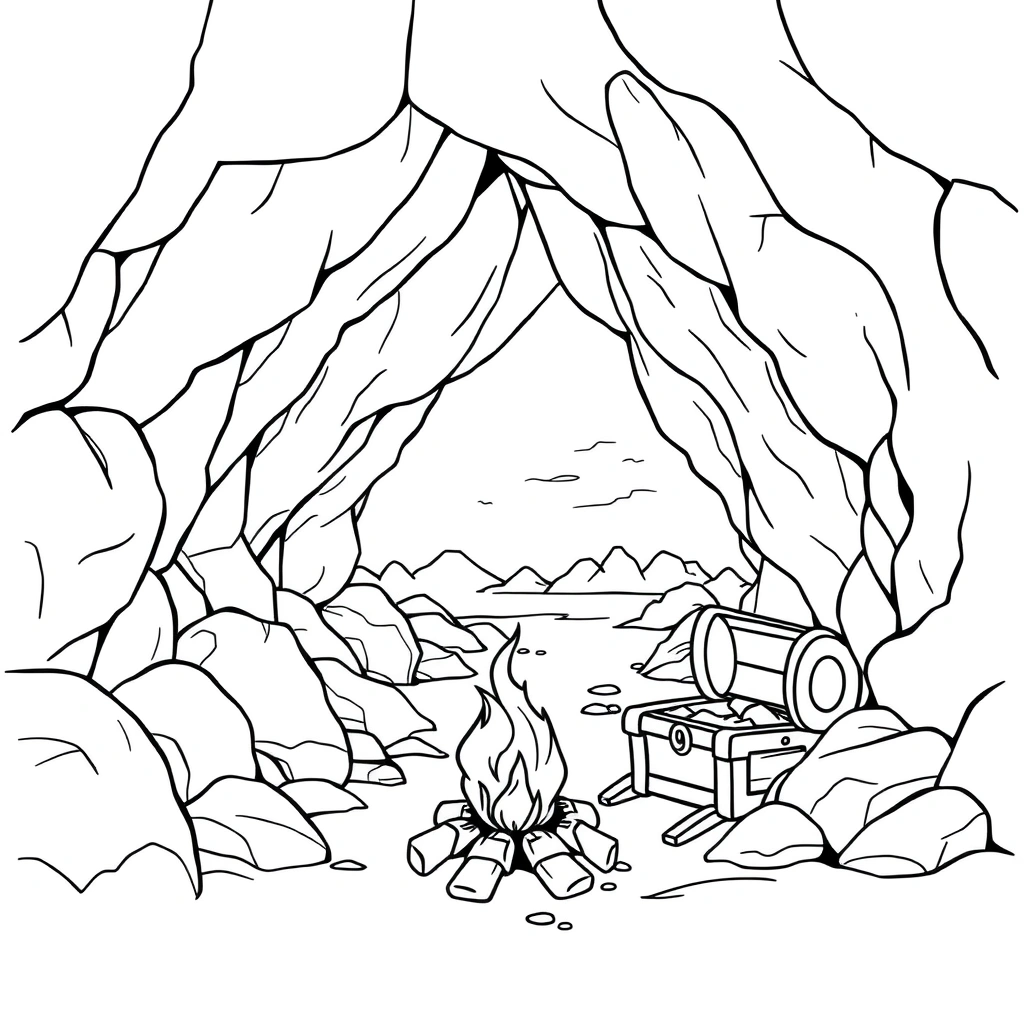
This image depicts a pirate's hideout, sparking ideas about pirates' strategies for evading capture.
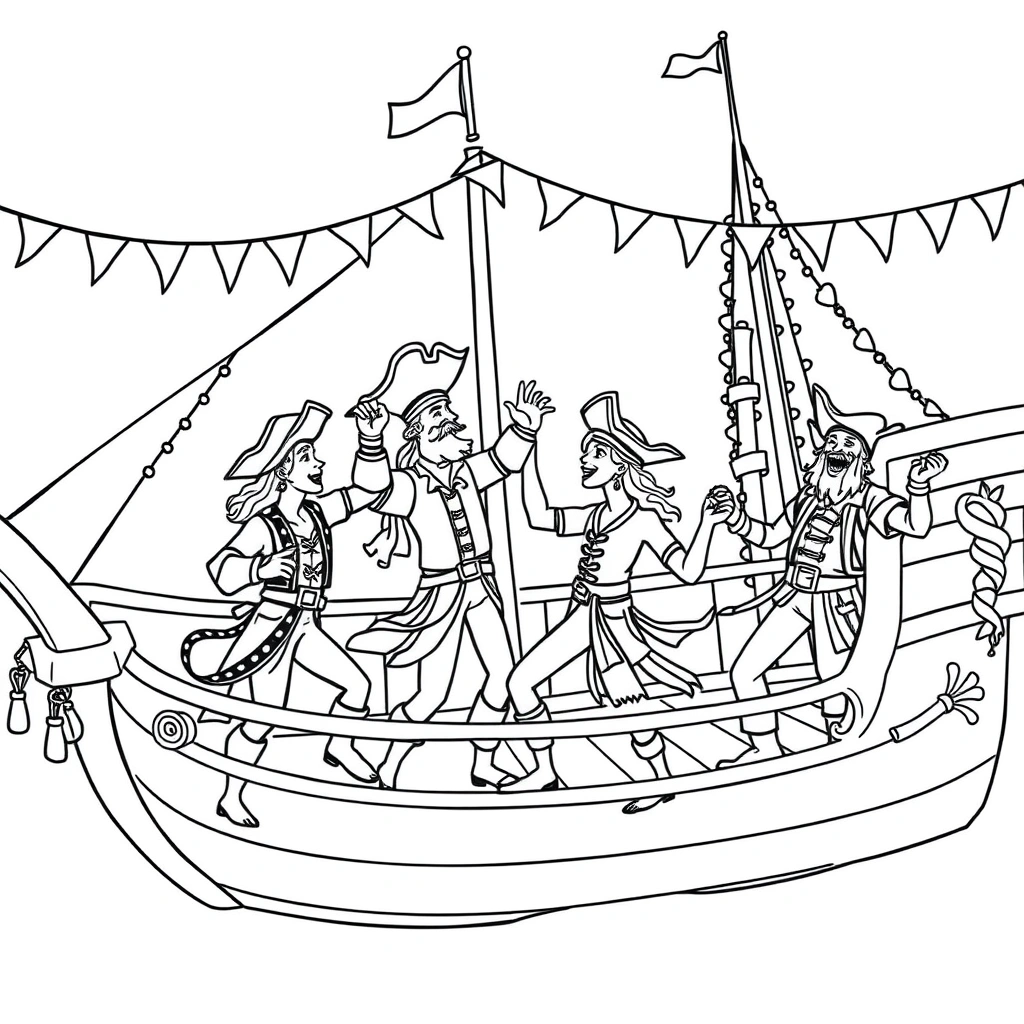
In this scene, kids learn about pirate legends and tales, which enrich their storytelling skills.
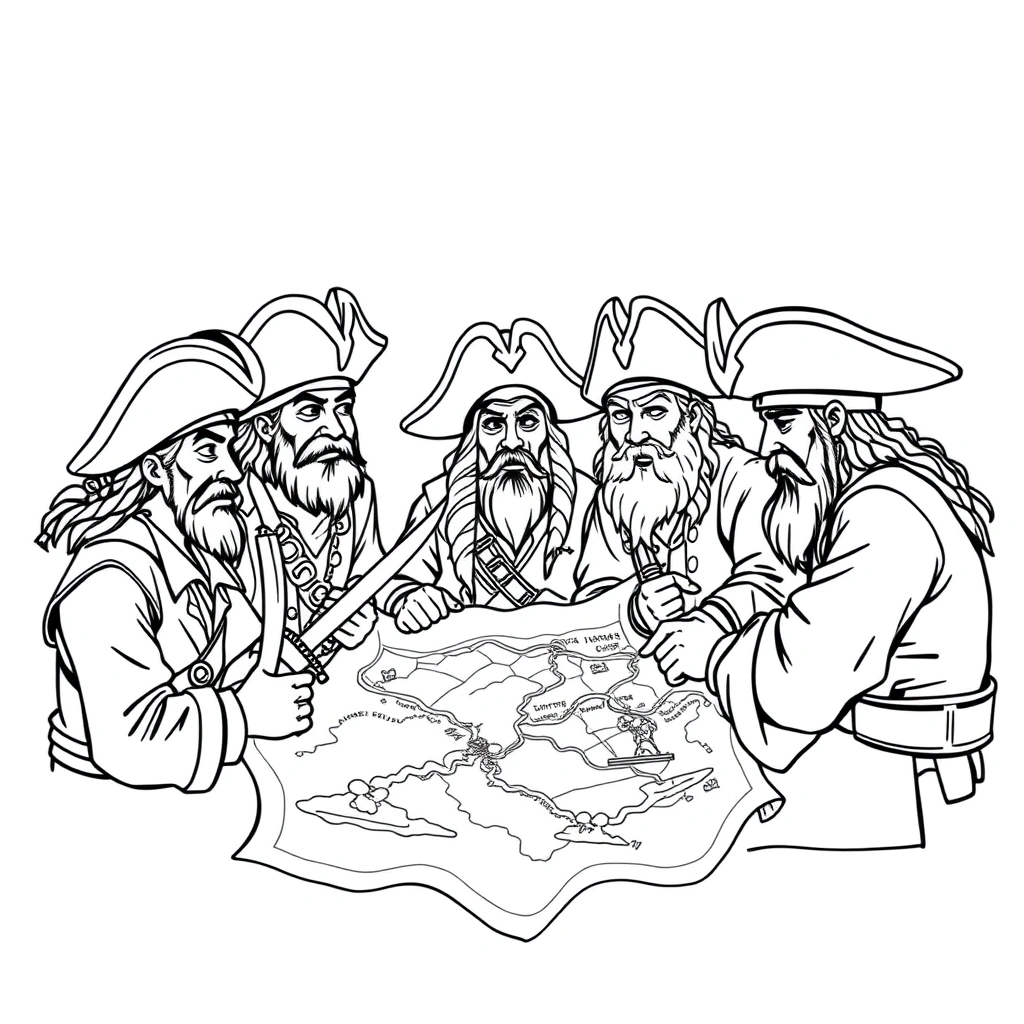
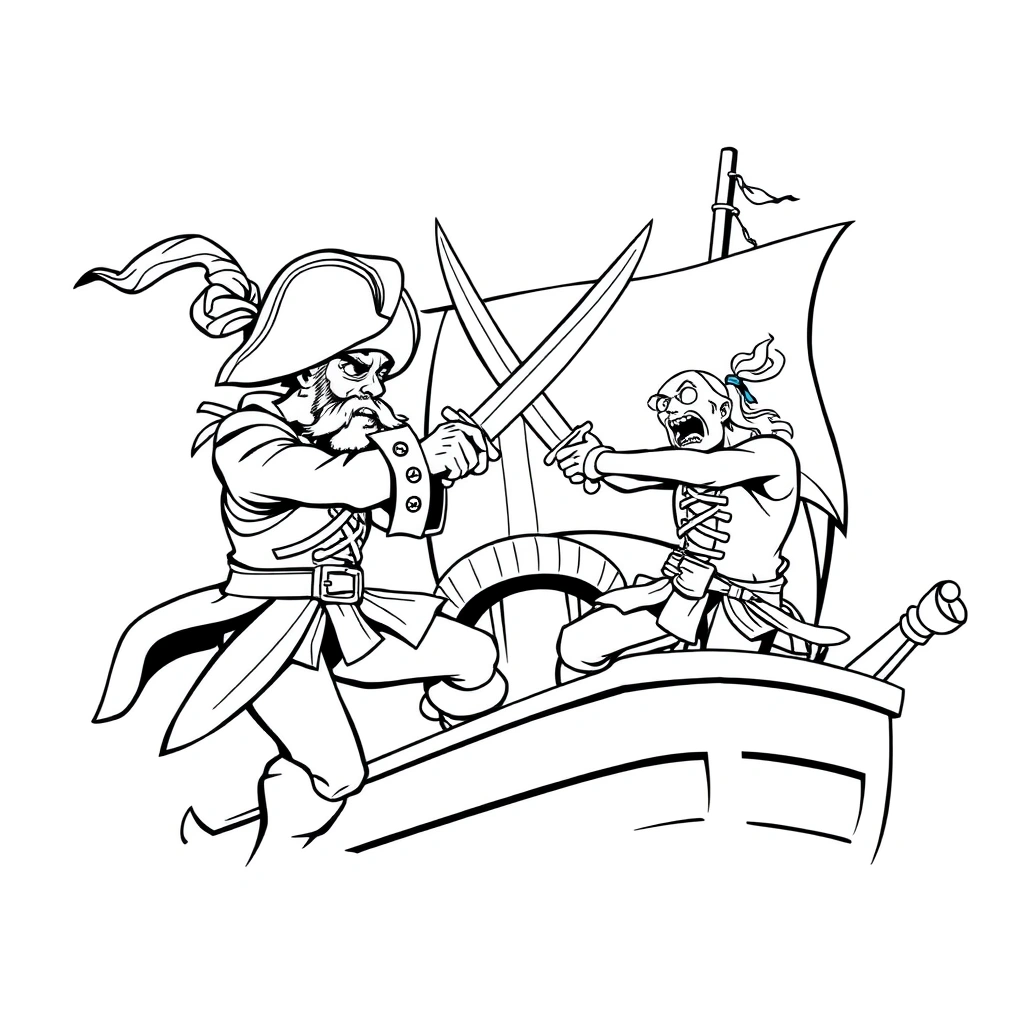
This pirate duel illustrates conflict resolution and the adventurous nature of pirate life.
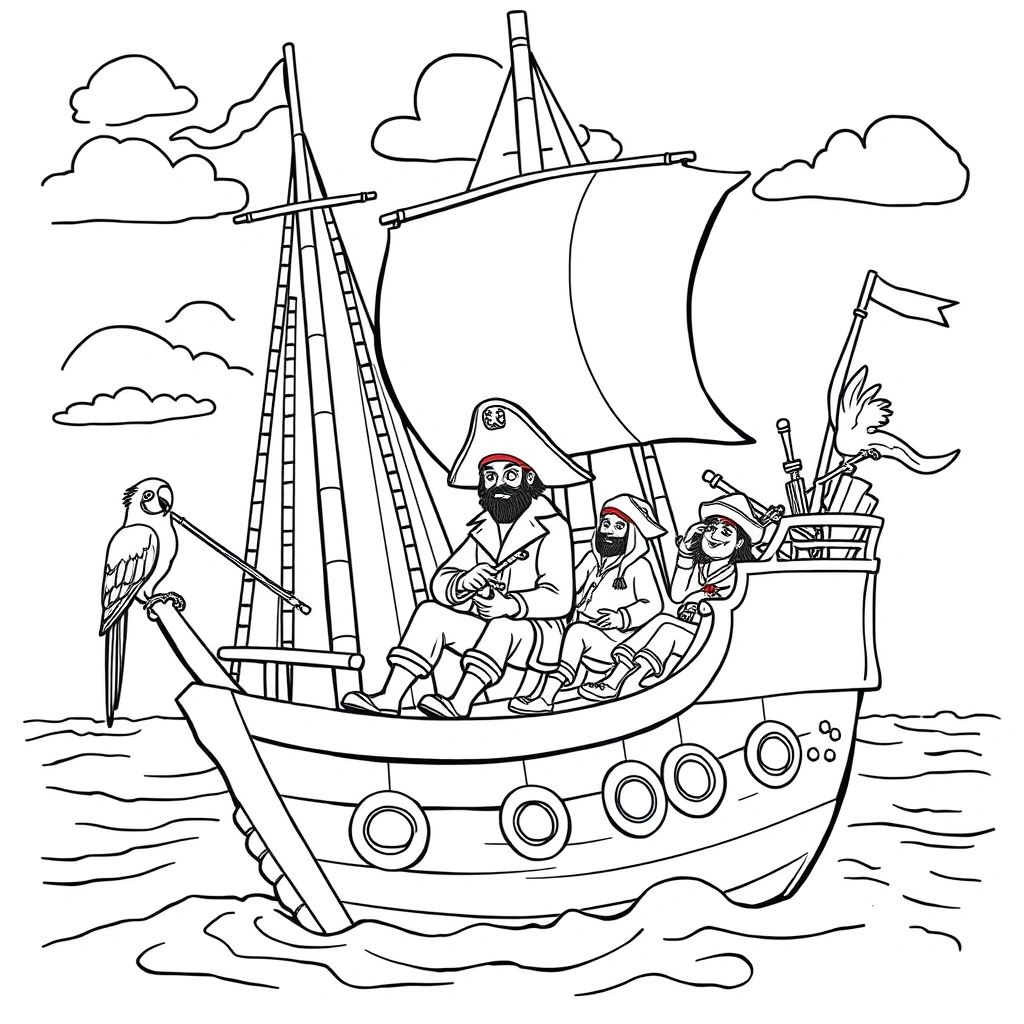
Through this coloring scene, children can explore the concept of camaraderie among pirates.
This image may evoke thoughts about pirate myths, allowing for discussion on truth versus fiction.
From this scene, children learn the value of strategy and planning in achieving goals, like finding treasure.
This collection of pirate coloring pages brings together twelve swashbuckling scenes young adventurers will want to explore with crayons. Find a grand pirate ship on the horizon with sails full of wind, a tense duel between rival captains, and a hidden pirate cove tucked behind rocky cliffs. Kids can color a treasure map adventure with dotted paths and X-marks-the-spot, or fill in the chaos of a battle with a sea monster rising from churning waves. The pirate captain at the helm and the pirate crew gathering offer chances to design bold costumes and weathered faces. Each free printable sheet invites storytellers to decide what happens next.
A strong palette makes these scenes come alive. Deep navy and slate gray suit stormy waters and ship hulls; sandy tans and warm golds work for tropical treasure islands. Bright reds and royal purples give pirate sashes and party hats energy without clashing. Younger children will enjoy the simpler shapes in the pirates on a rowboat and pirate party celebration pages, where large areas are easy to fill. Older kids can tackle detailed rigging in the pirate ship on the horizon or the intricate lines of a treasure map adventure. Standard crayons handle most sheets, though colored pencils help with fine compass roses and sea monster scales.
Teachers planning ocean exploration or colonial history units can use these as quiet seatwork that still connects to the theme. The treasure island discovery sheet works well as a partner to map-reading lessons. Parents hosting a pirate birthday party can set out the pirate party celebration page with a bucket of crayons for early arrivals. Rainy afternoons call for the battle with a sea monster or pirates and the open sea pages, which keep hands busy while imaginations run. For long car rides, print a few sheets and clip them to a hard surface for portable coloring without screens.
After coloring the treasure map adventure or hidden pirate cove pages, turn the finished artwork into a storytelling prop. Have the child fold the colored sheet into thirds like a real map, then use the back to draw three obstacles between the ship and the treasure: a whirlpool, a sleeping sea monster, a locked cave door. They can narrate the journey to a sibling or parent, using their colored pirate crew gathering page as the cast of characters. This simple extension stretches a twenty-minute coloring session into an hour of spoken storytelling and map logic, all without extra supplies beyond what is already printed.
Pirates often used flags with skulls and crossbones to symbolize danger or to warn others.
The most famous pirate, Blackbeard, had a fearsome appearance, often lighting slow-burning fuses in his beard to create smoke during battles.
Pirates would often bury their treasure, but very little of it has ever been found.
The concept of walking the plank is highly popularized in pirate stories, but it may not have been a common practice.
Pirate ships were typically equipped with cannons to defend against naval forces.
The Golden Age of Piracy lasted from the late 17th century to the early 18th century, with many iconic pirates operating during this time.
Can't find the perfect page?
Type an idea like the ones above — or upload a photo — and ColorHippo turns it into printable line art in seconds.
15 free credits · No credit card
Your coloring page is downloading
Want a Pirate page made just for you?
Describe it and AI draws it in seconds — your first 15 credits are free.
Create a custom page