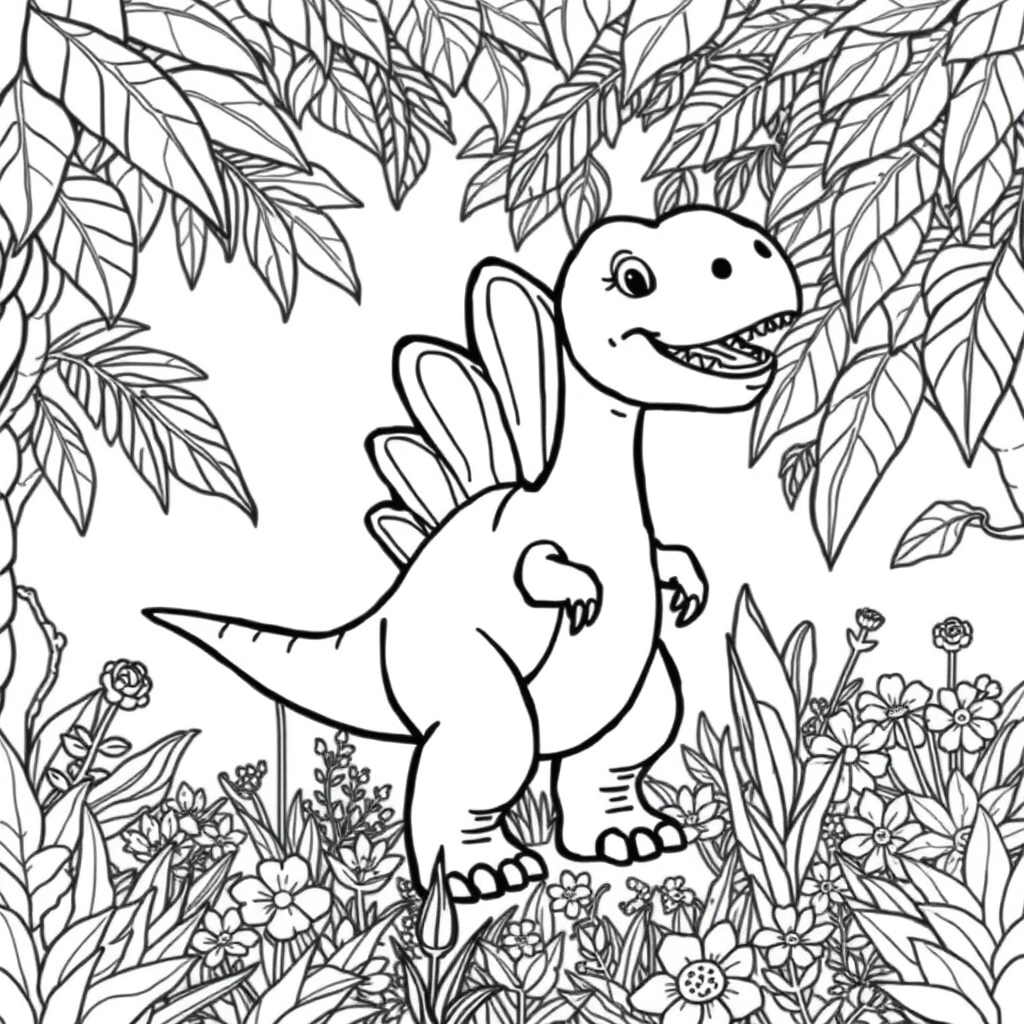
Happy Dinosaur
Preschoolers can practice naming animals, plants, and simple habitat words while coloring a friendly dinosaur.
Free preschool coloring pages (PDF)! Fun, printable designs for little artists. Download hours of creative joy for home or school.
Preschoolers can practice naming animals, plants, and simple habitat words while coloring a friendly dinosaur.
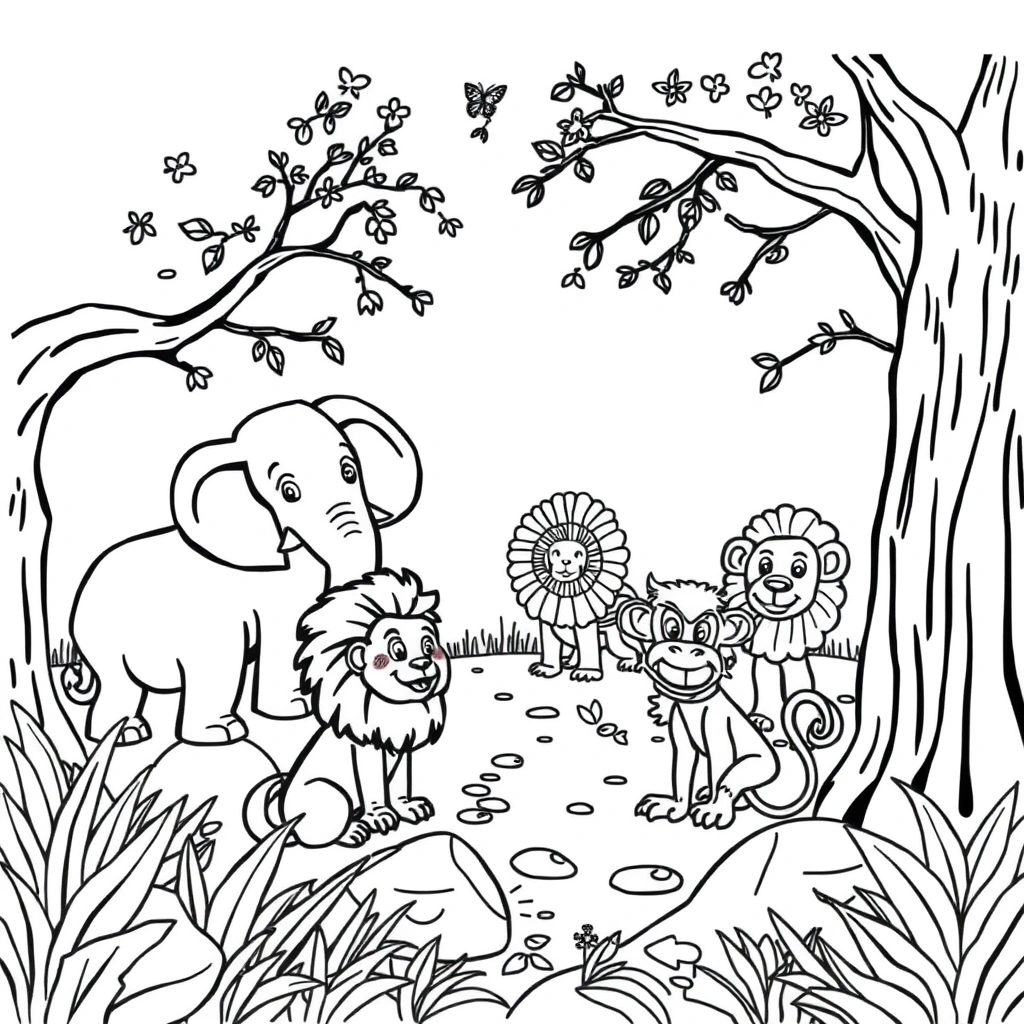
Children can identify zoo animals, compare sizes, and talk about animal sounds and movements.
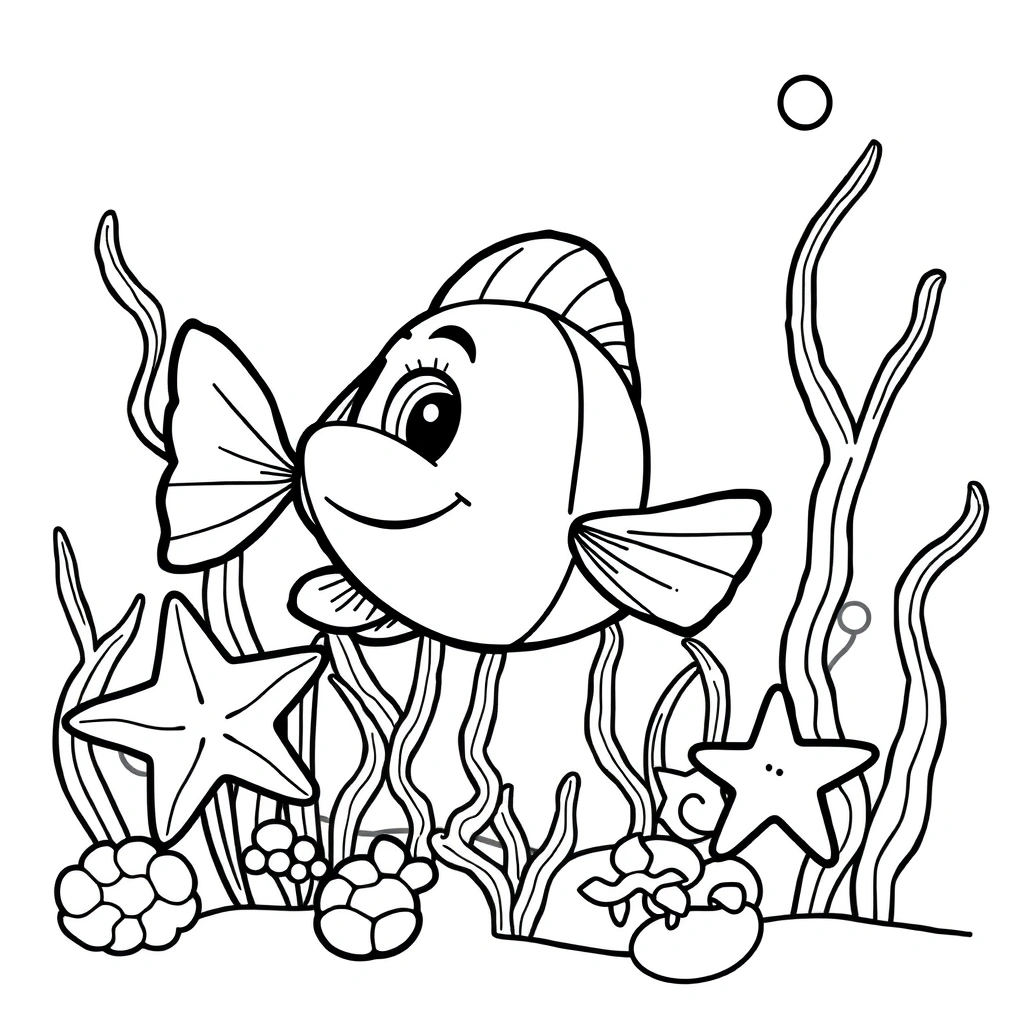
This picture introduces sea creatures, wavy lines, and ocean vocabulary in a simple preschool-friendly way.
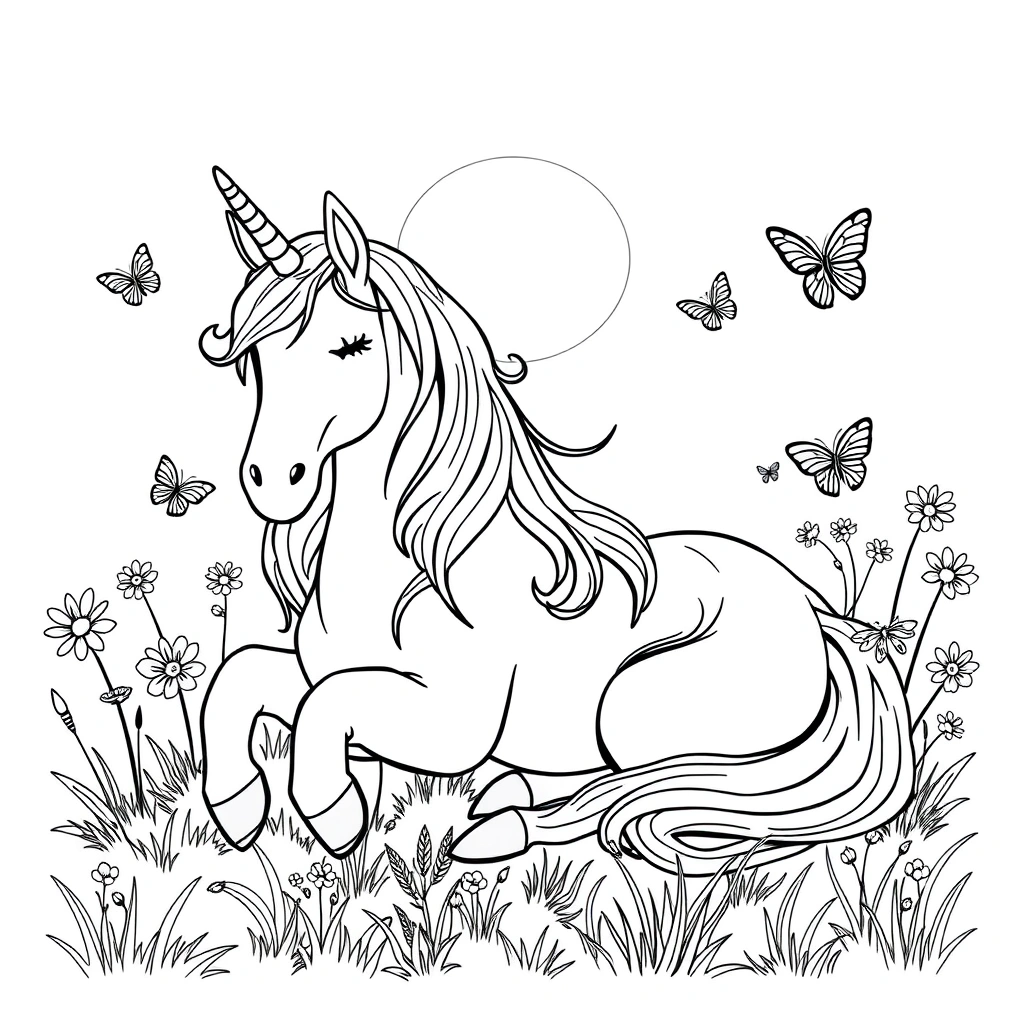
Kids can explore imagination, meadow colors, and gentle storytelling as they color the unicorn scene.
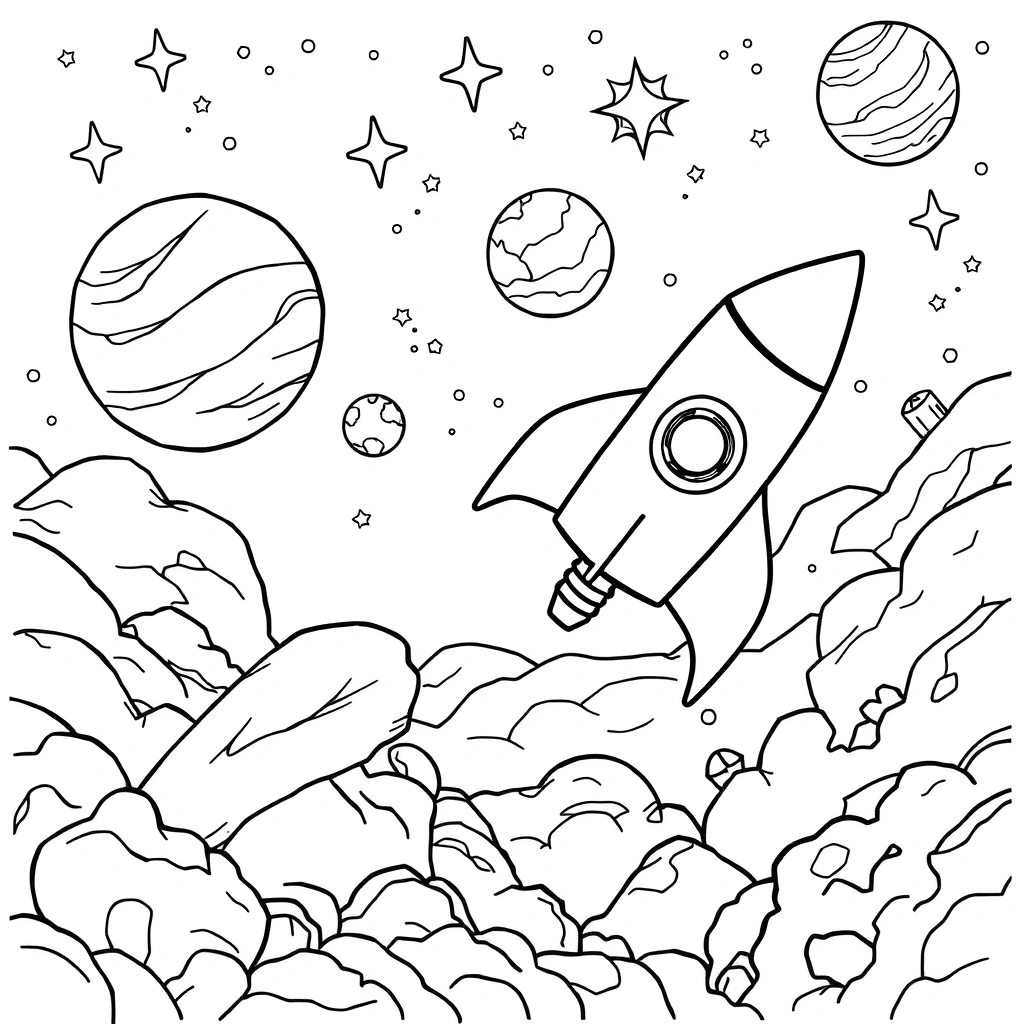
Children can name rockets, stars, and planets while practicing circles, lines, and bright color choices.
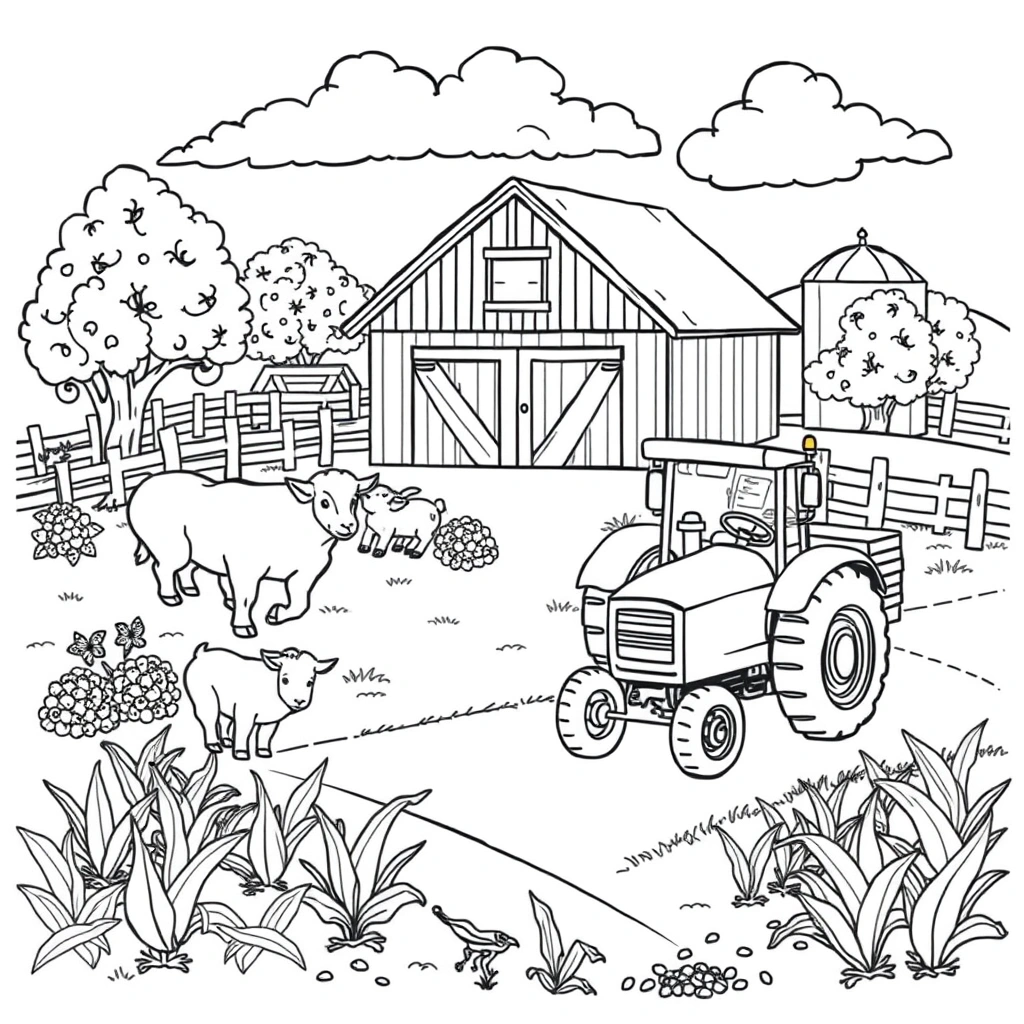
This page introduces farm animals, crops, barns, and tractors as familiar early-learning vocabulary.
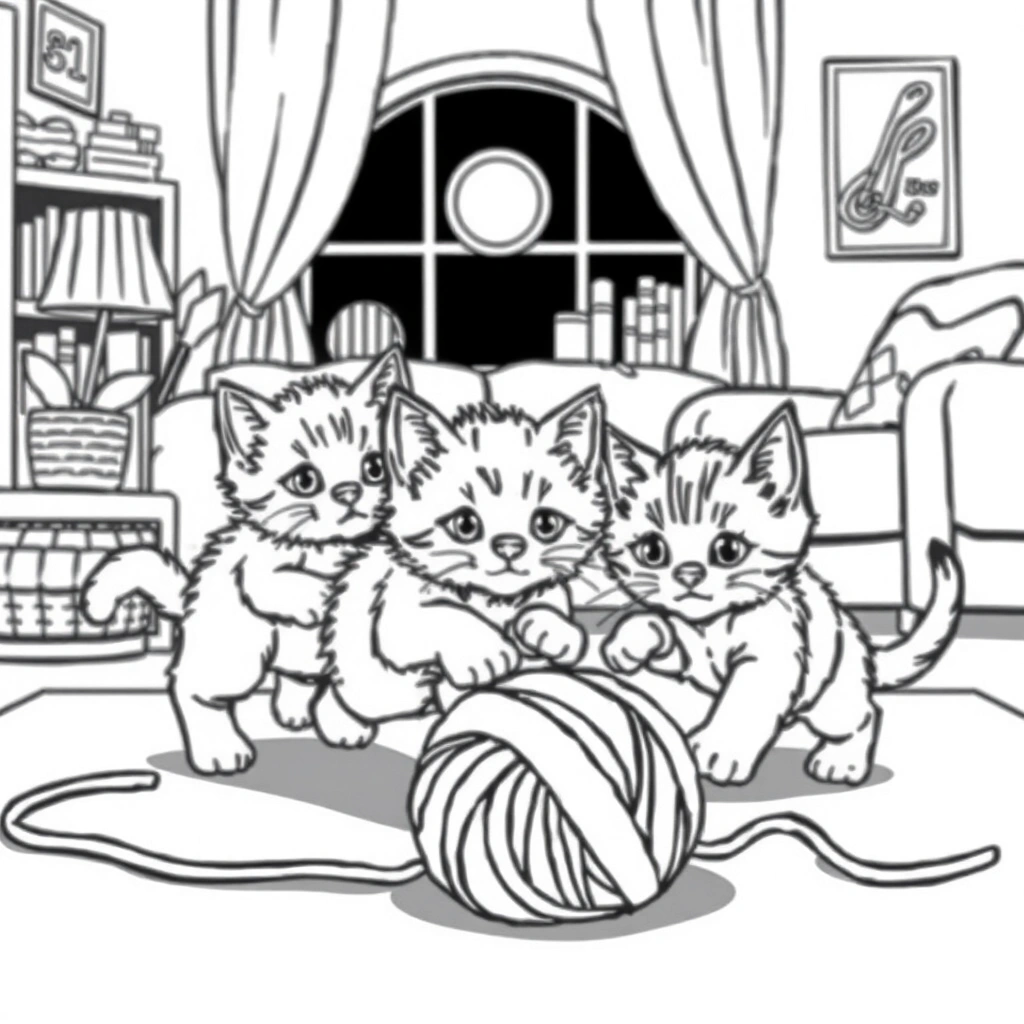
Kids can talk about pets, soft textures, indoor spaces, and gentle play while coloring the kittens.
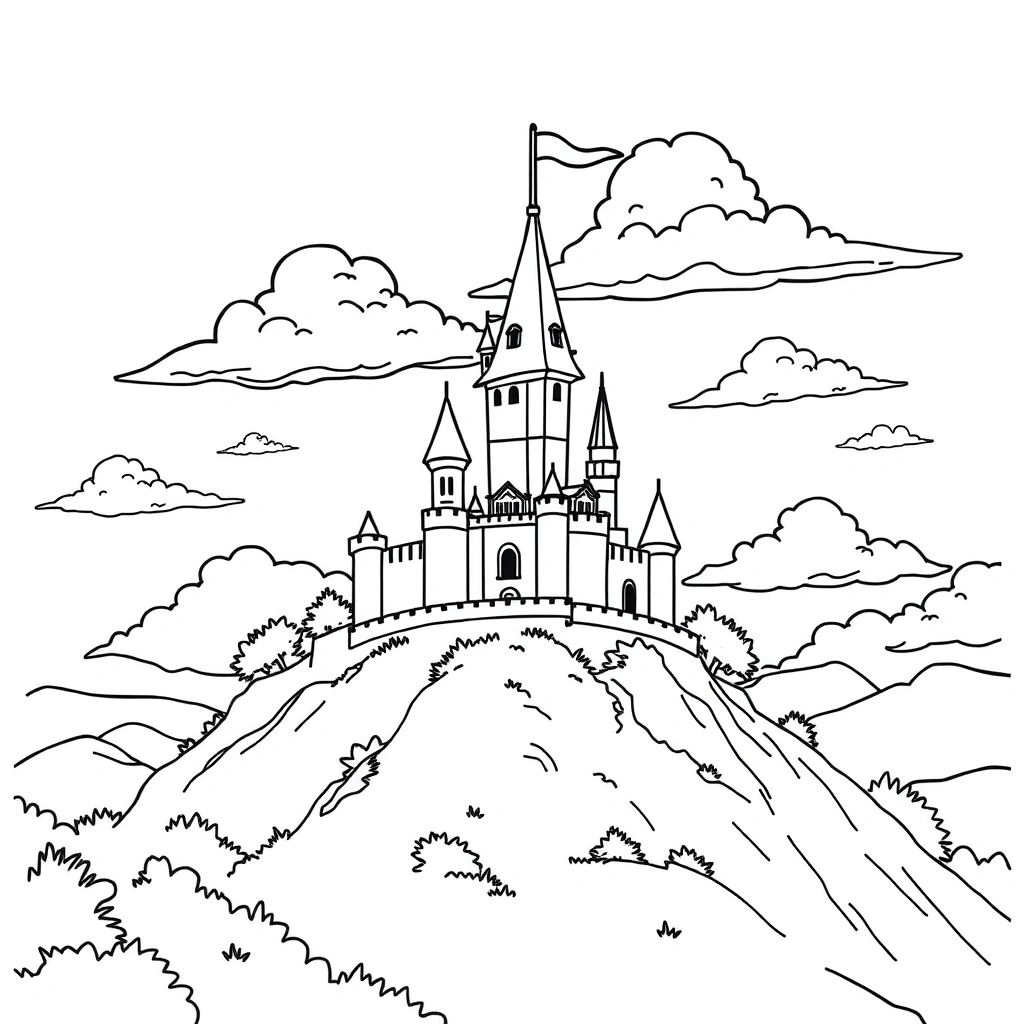
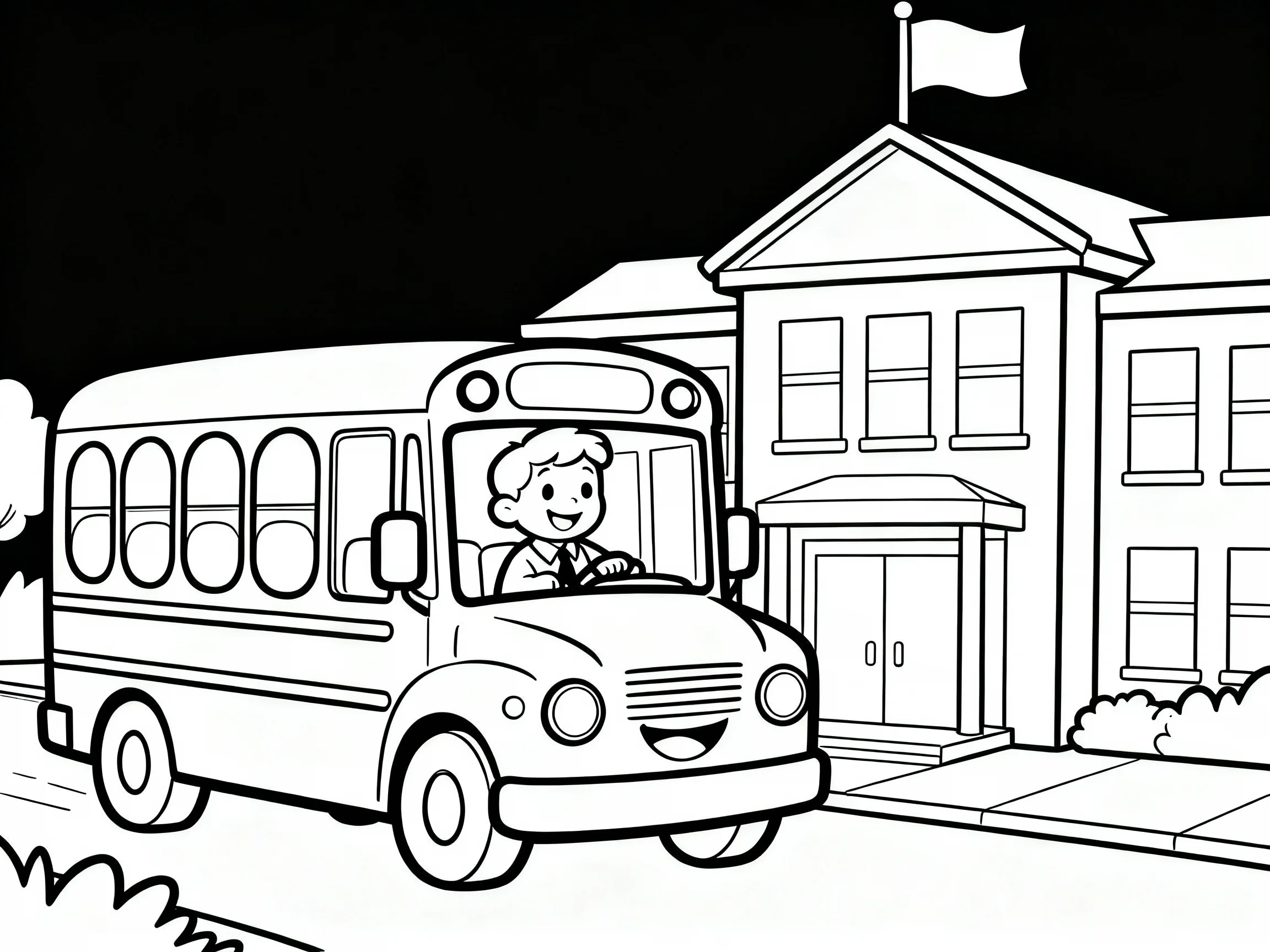
This scene supports shape recognition with towers, flags, windows, clouds, and simple story prompts.
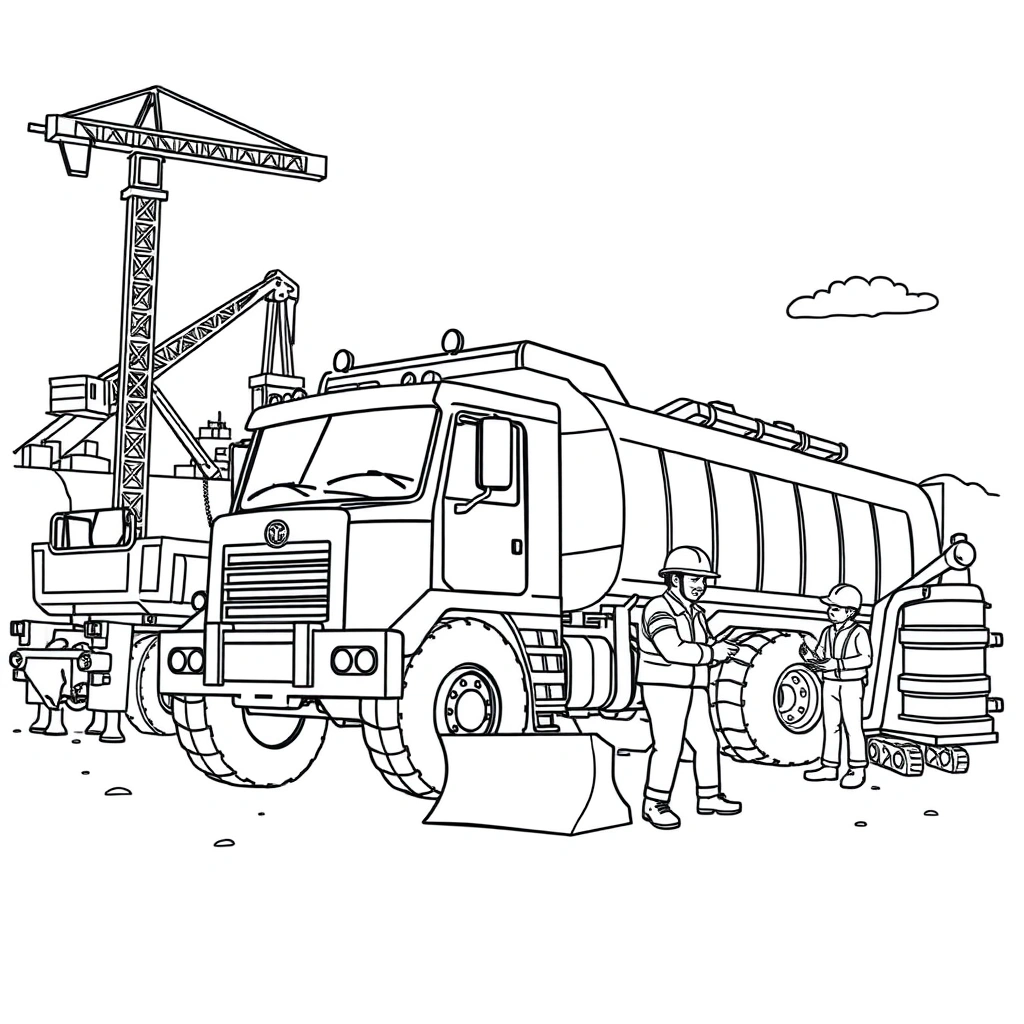
Children can learn vehicle and construction words while noticing wheels, tools, and safety shapes.
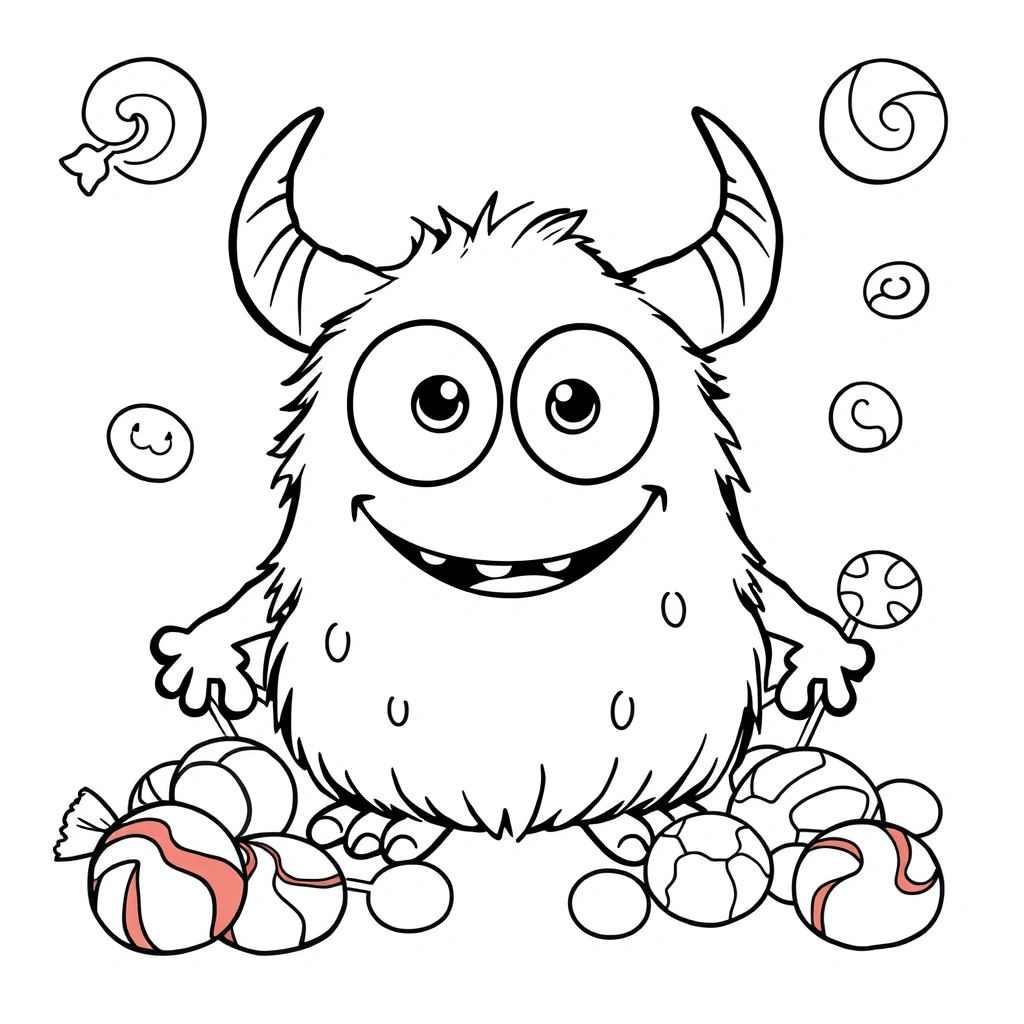
This playful page helps kids discuss feelings, friendly faces, and silly color combinations.
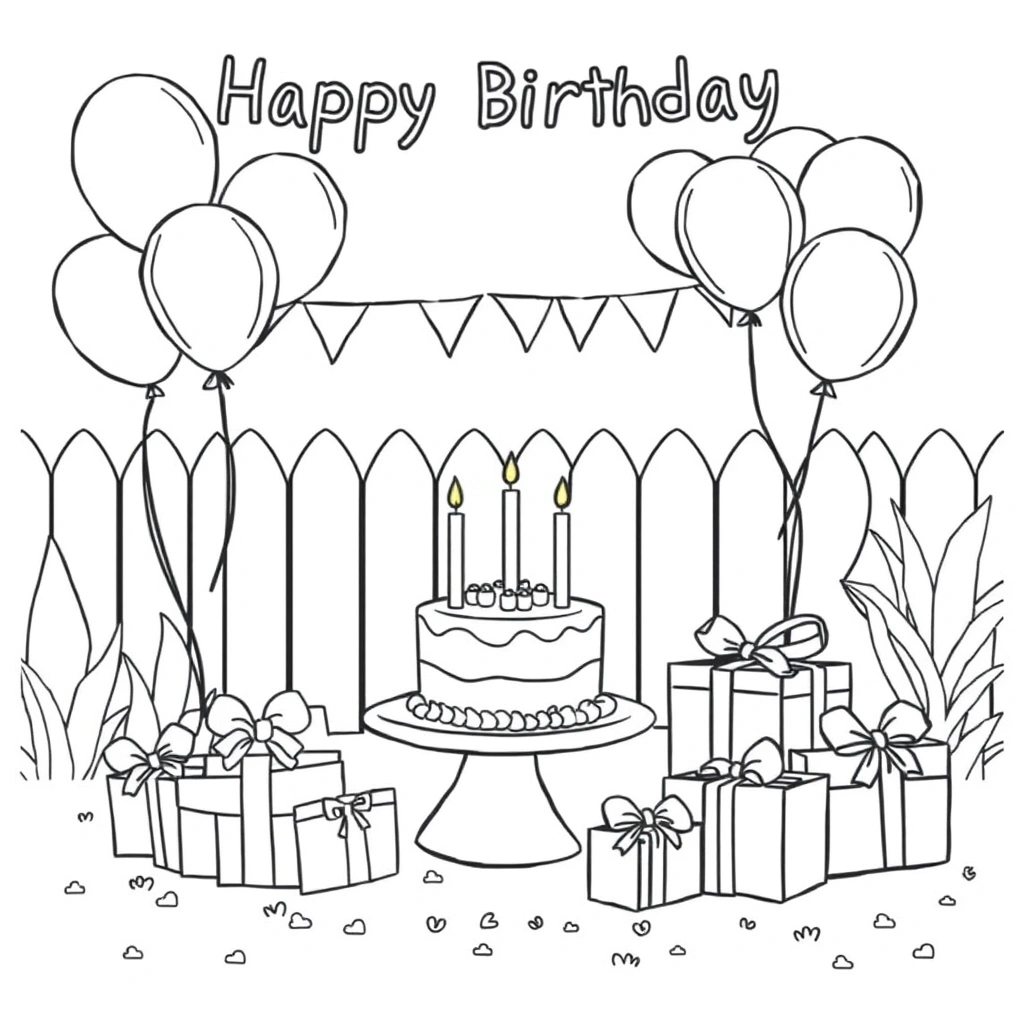
Preschoolers can count balloons, name party objects, and talk about celebrations and sharing.

This scene encourages animal naming, counting, and simple sequencing as kids follow the parade.
Coloring pages can be a fun way for preschoolers to learn about shapes, animals, and colors! As children color, they can also practice naming the colors they are using and the objects they are coloring. This activity helps them to develop language skills while encouraging creativity. Furthermore, coloring pages provide an opportunity for young children to express their feelings and thoughts through art. It's a playful way for them to learn and grow!
Coloring offers numerous developmental benefits for preschoolers. It helps improve fine motor skills as children grip crayons and control movements within the lines. This practice is essential for future writing skills. Additionally, coloring encourages creativity and imaginative thinking, allowing children to explore their artistic side. While they choose colors and create designs, they also develop decision-making skills and patience, nurturing cognitive growth.
Coloring can reduce stress and anxiety for both children and adults.
The practice of coloring dates back to the 18th century when the first coloring book was published.
Crayons were originally made from a combination of charcoal and oil.
Some studies suggest that coloring can lead to increased focus and concentration.
The most popular coloring books often feature animals, nature scenes, and abstract designs.
Coloring can enhance hand-eye coordination as children aim for precision within the lines.
When using coloring pages with preschoolers, create a pleasant and inviting space where they can explore their creativity freely. Provide a variety of coloring materials such as crayons, markers, and colored pencils to keep them engaged. Encourage children to talk about the colors they're using and the pictures they're coloring to enhance their language skills. Set aside regular times for coloring to create a routine and ensure that children know it's a special time for creativity. Consider incorporating music that they enjoy to make the activity even more enjoyable. It can also be helpful to display their finished artwork at home; this will motivate them and help boost their confidence. Don’t forget to join in the fun! Coloring together with your child can strengthen bonds and offer a great opportunity for conversation.
To extend the learning experience beyond coloring, consider integrating related activities that ignite creativity and learning. For example, after completing a coloring page, you can encourage your child to create a story about the characters or scene they colored. This can help with language development and storytelling skills. You could also have a 'coloring exchange' with friends or family, where each child can trade their colored pages and share what they love about them. Another great activity is to gather natural items like leaves or flowers and use them to create prints on paper. This not only ties in art and nature but also teaches children about the environment around them. Finally, introducing simple math concepts by asking them to count the number of colors used or to group shades can make learning fun and engaging!
Made for your classroom
Describe a theme — the letter B, farm animals, a class field trip — and get simple, bold outlines sized for little hands in seconds.
15 free credits · No credit card
Yes! All our coloring pages are completely free to download, print, and use for personal and educational purposes.
Our preschool coloring pages pdf are designed to be suitable for various age groups, typically ranging from preschoolers to elementary school children, with varying levels of complexity.
Simply click the download button, save the image to your device, and print on standard 8.5x11 inch paper. For best results, use heavier paper or cardstock.
Your coloring page is downloading
Want a Preschool page made just for you?
Describe it and AI draws it in seconds — your first 15 credits are free.
Create a custom page