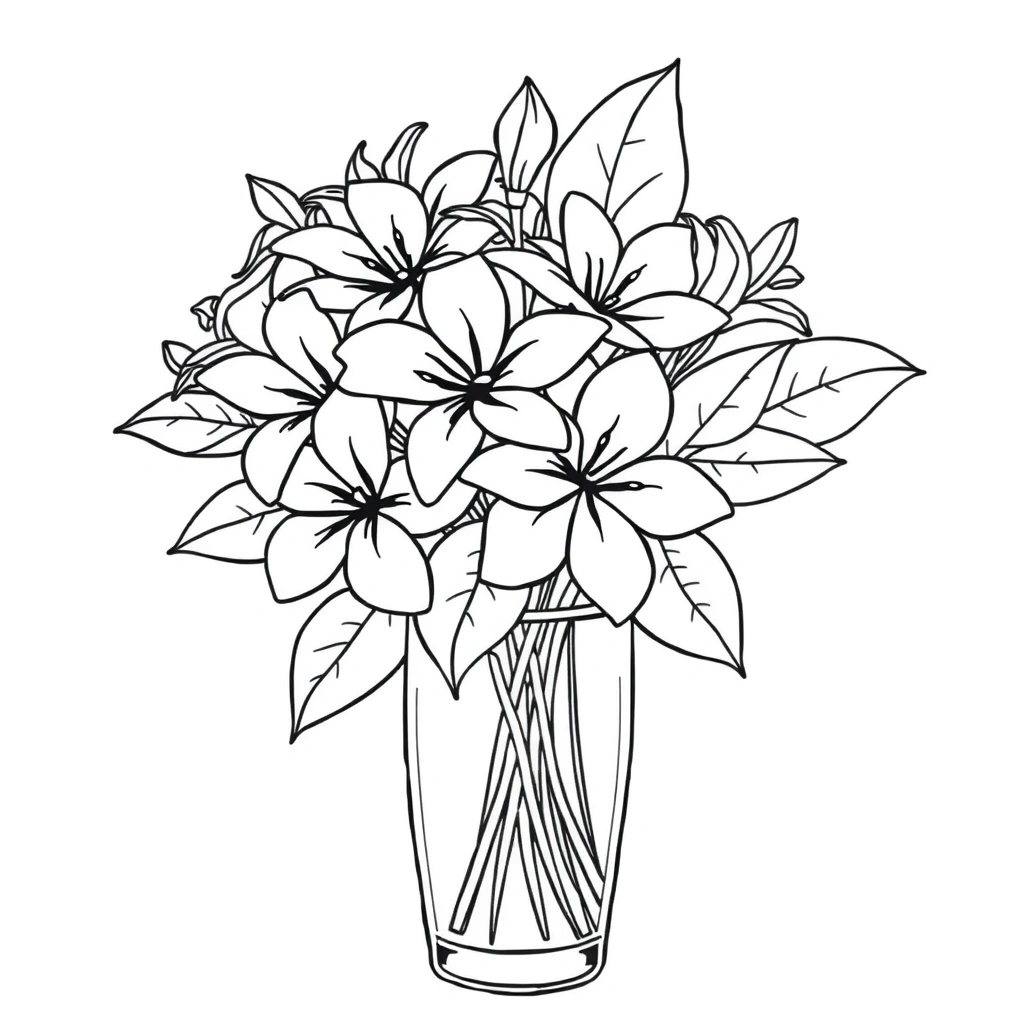
Jasmine Flower Bouquet
Children can learn about the different shapes and sizes of jasmine leaves in this scene.
Reviewed by the ColorHippo team • Updated July 22, 2026. Printable pages selected for clear outlines, kid-friendly coloring space, and classroom or home use.
ColorHippo is an independent coloring page resource and is not affiliated with the owners of featured characters, films, or brands.
Children can learn about the different shapes and sizes of jasmine leaves in this scene.
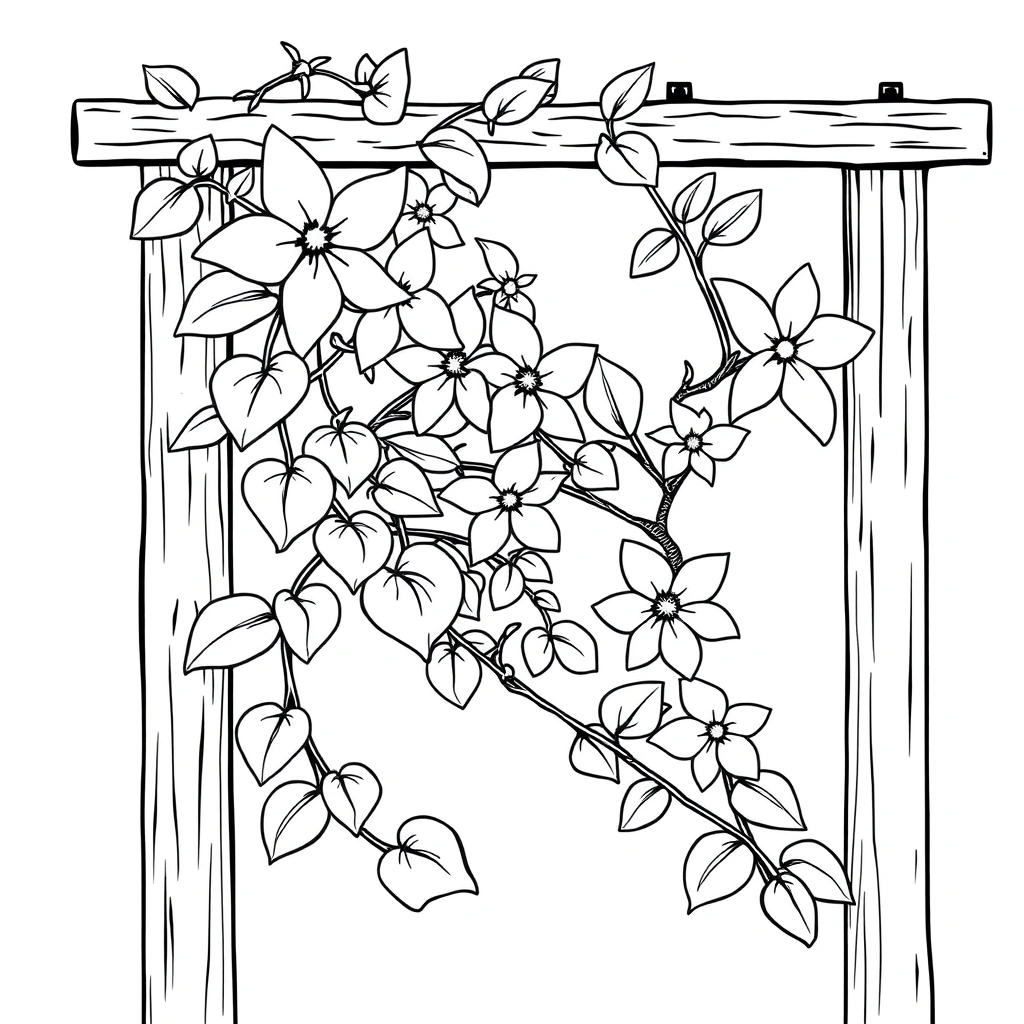
This scene shows how jasmine attracts pollinators, teaching kids about the role of bees.
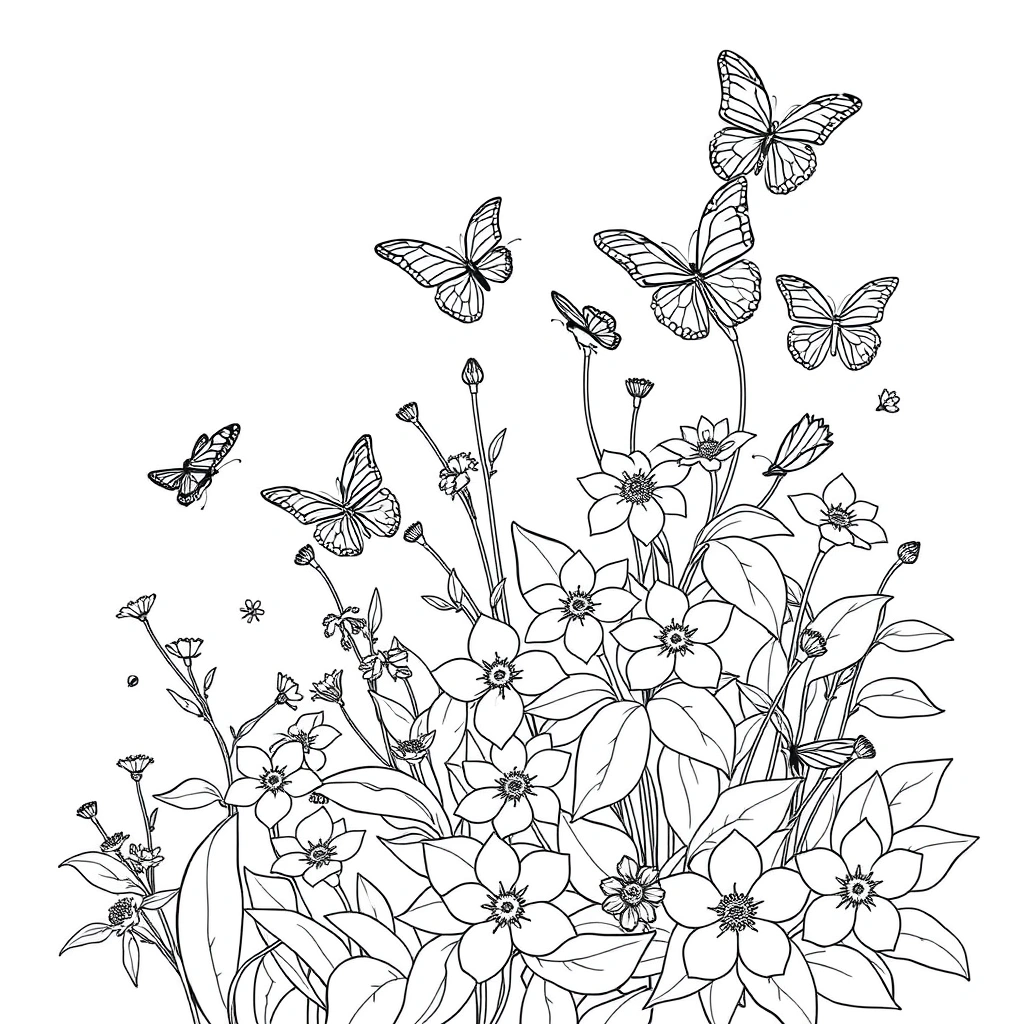
In this scene, kids can explore the concept of colors by coloring jasmine flowers.
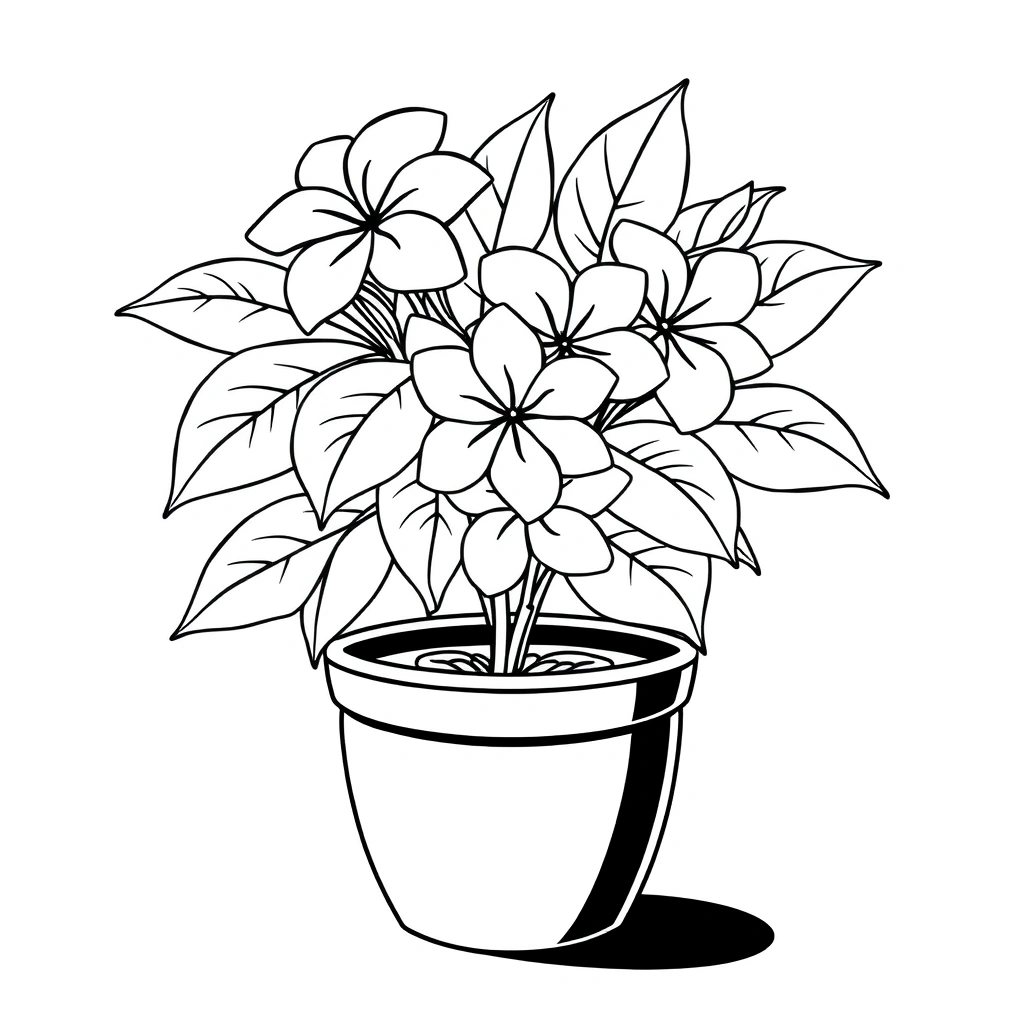
This image illustrates the growth stages of jasmine, which can help children understand plant life cycles.
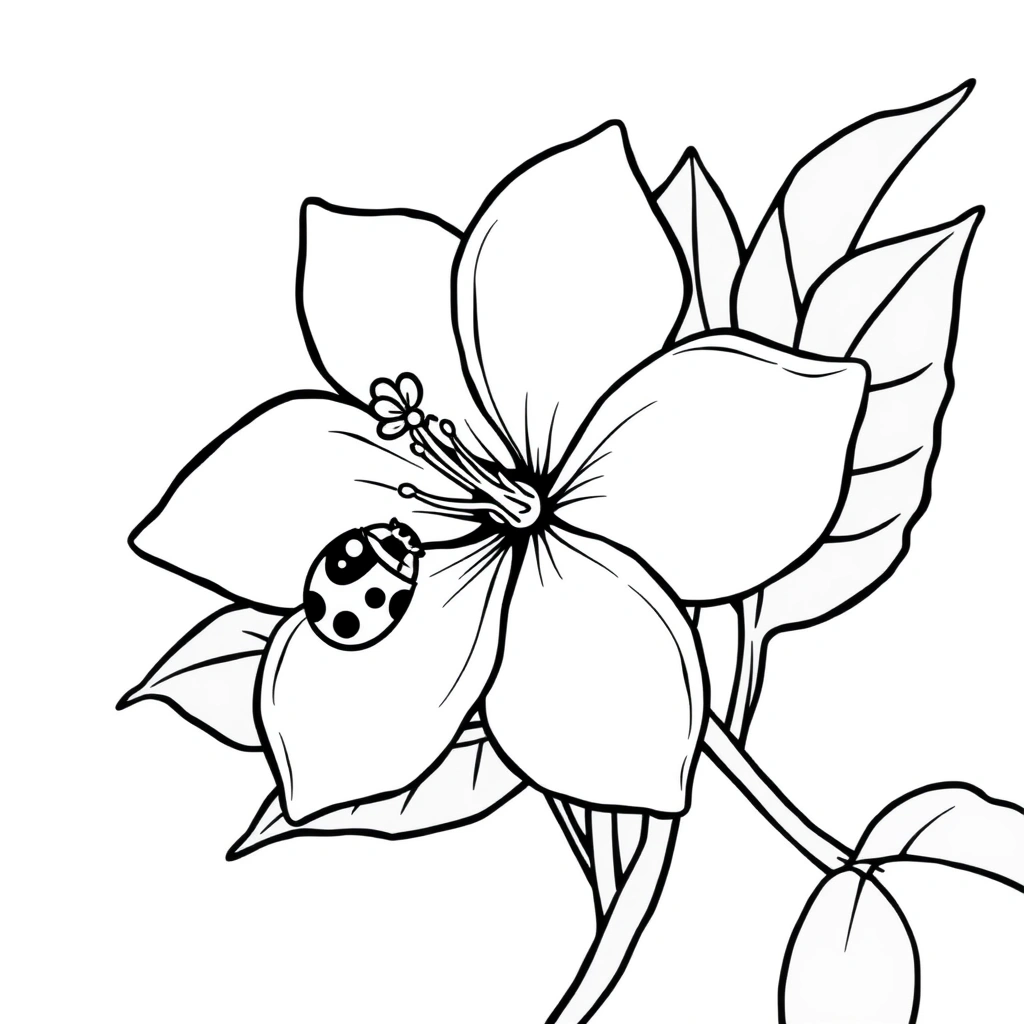
Kids can learn about the importance of jasmine in perfumes and teas with this scene.
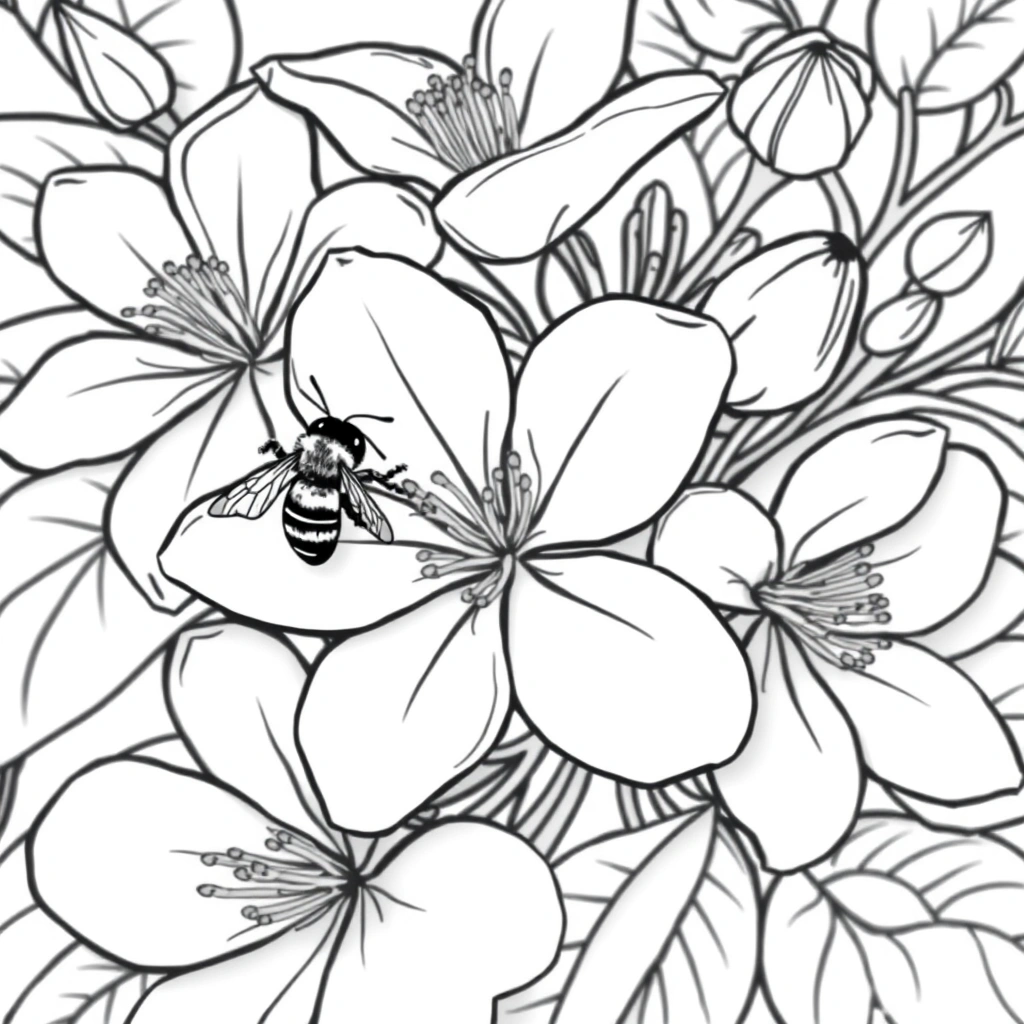
This scene highlights the natural habitat of jasmine, allowing kids to understand its environment.
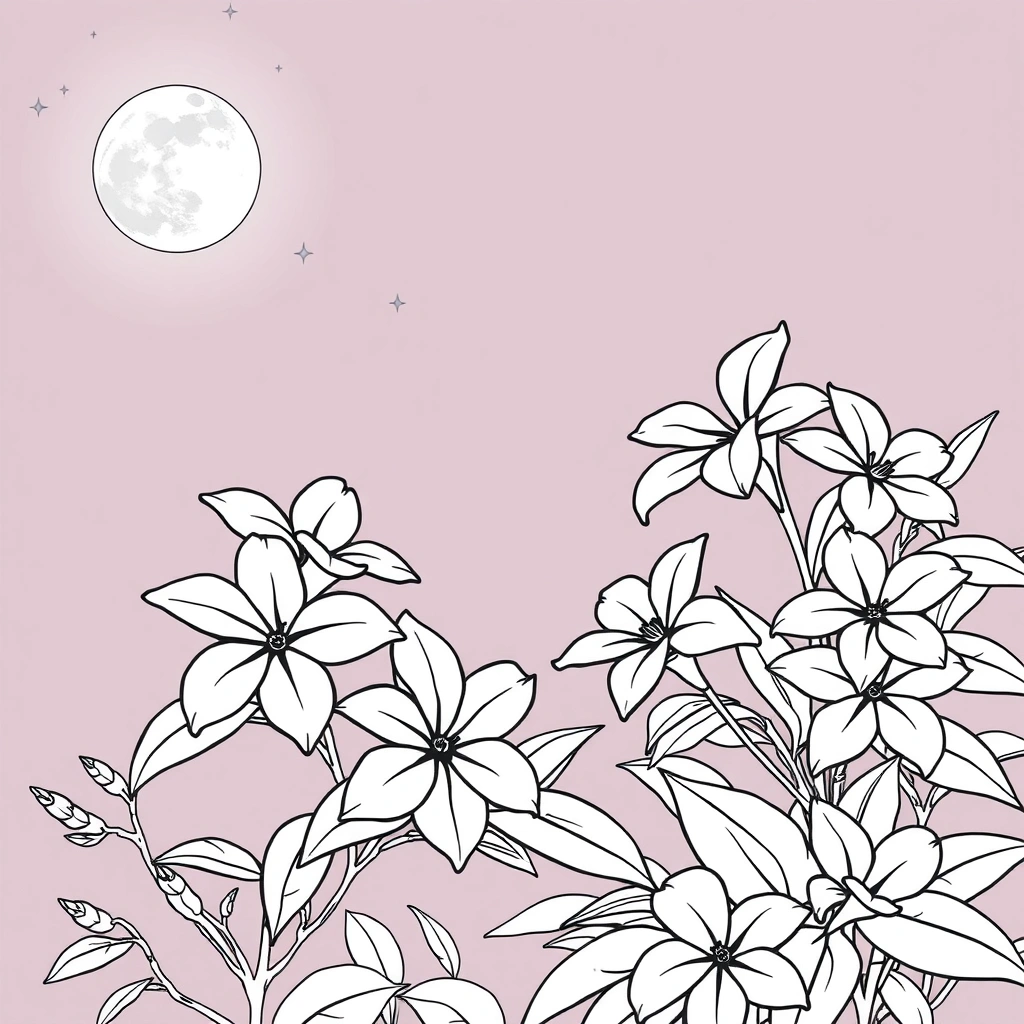
Here, children can observe how jasmine's fragrance attracts butterflies, showing interactions in nature.
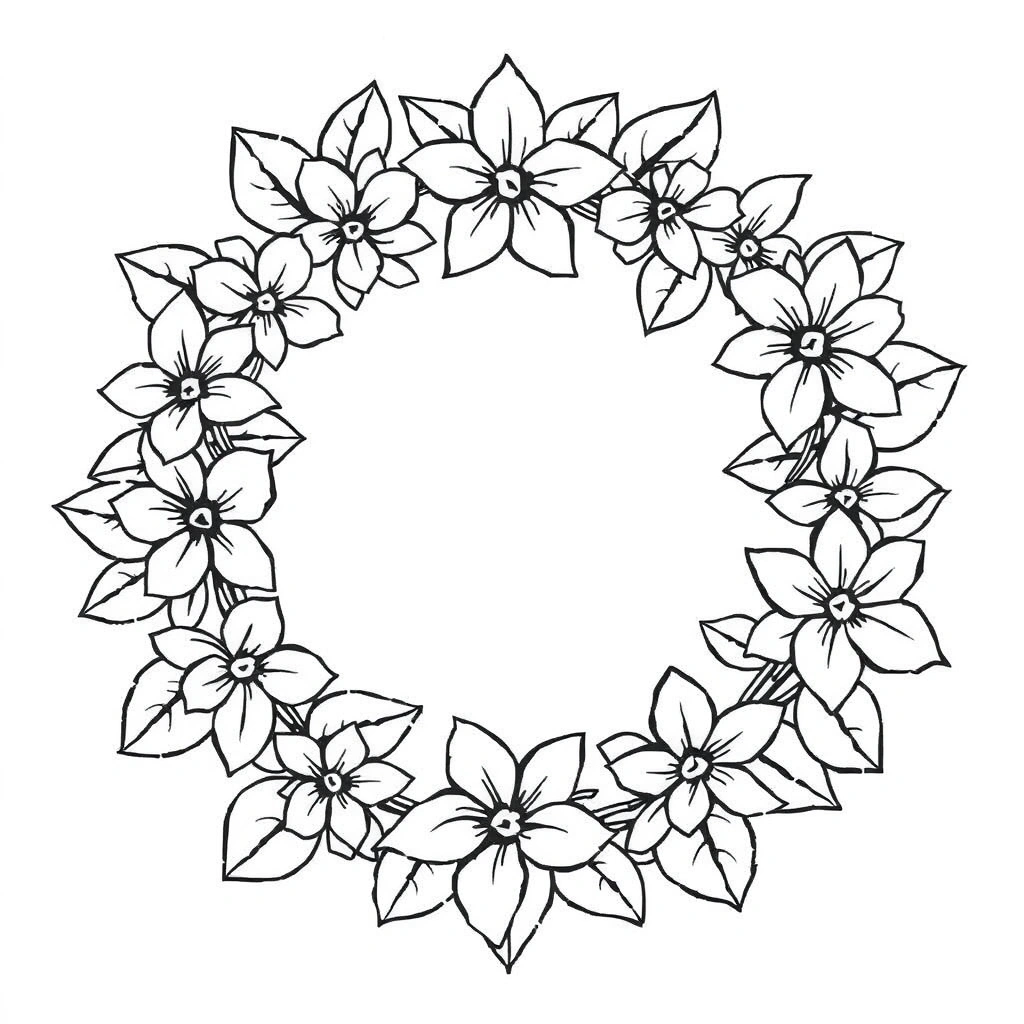
This image encourages discussions about caring for plants and the responsibilities of gardening.
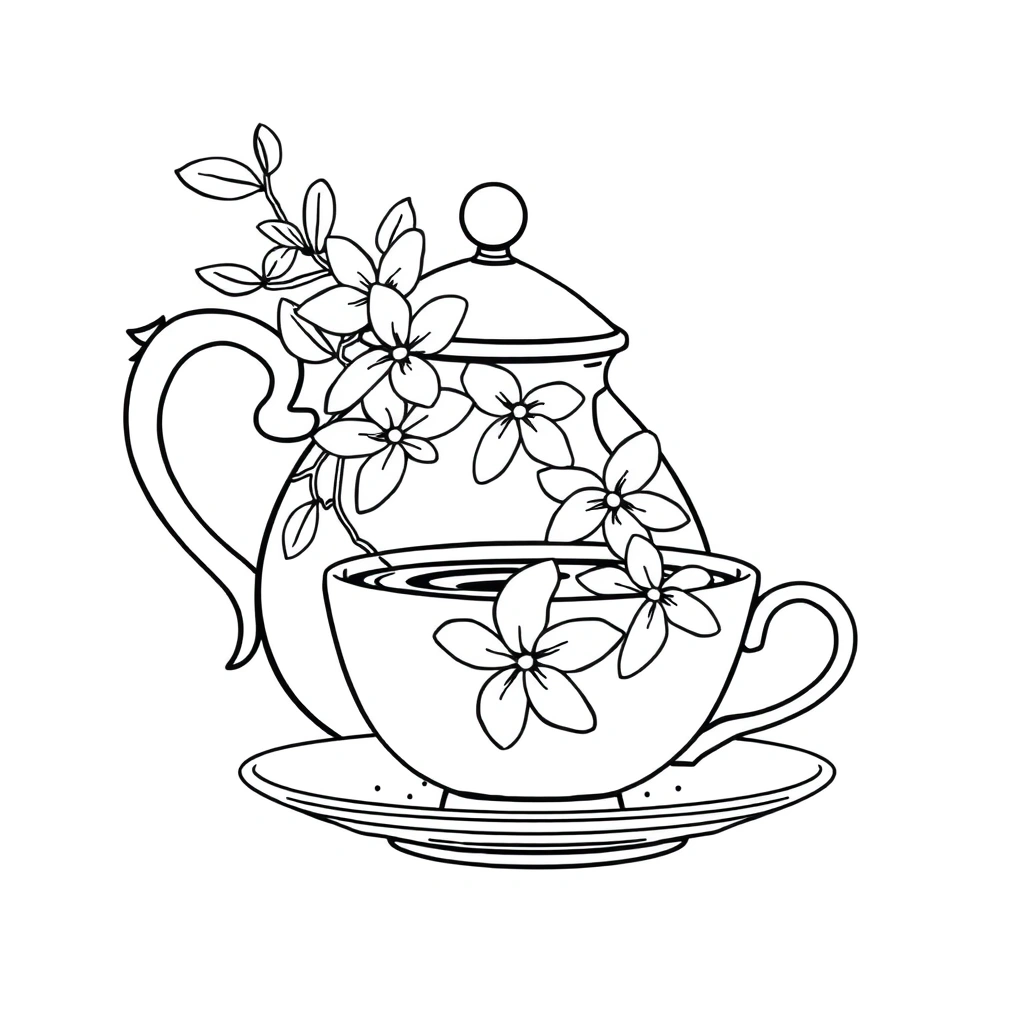
In this scene, kids can learn about different jasmine species and their unique characteristics.
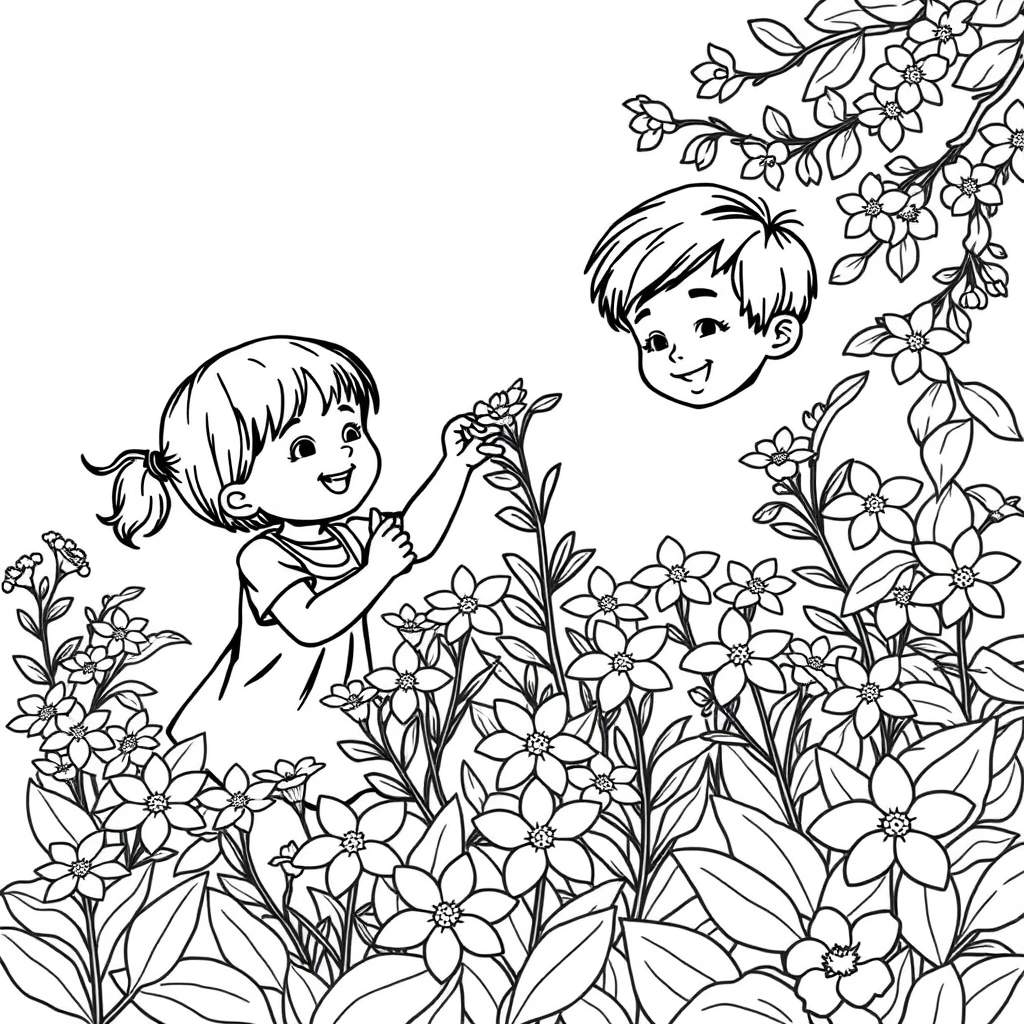
This image can help children recognize the cultural significance of jasmine in various traditions.
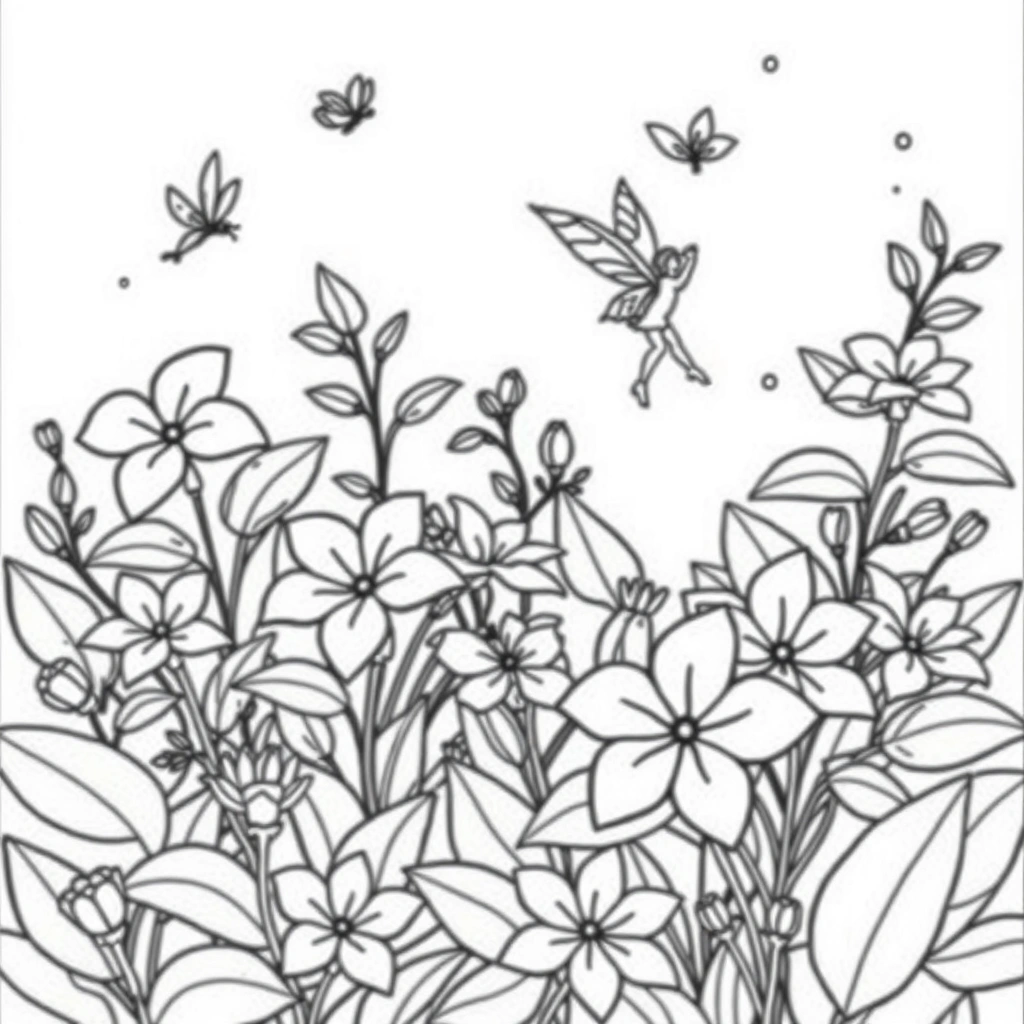
Kids can discover the timeline of jasmine blooming, exploring seasonal changes.
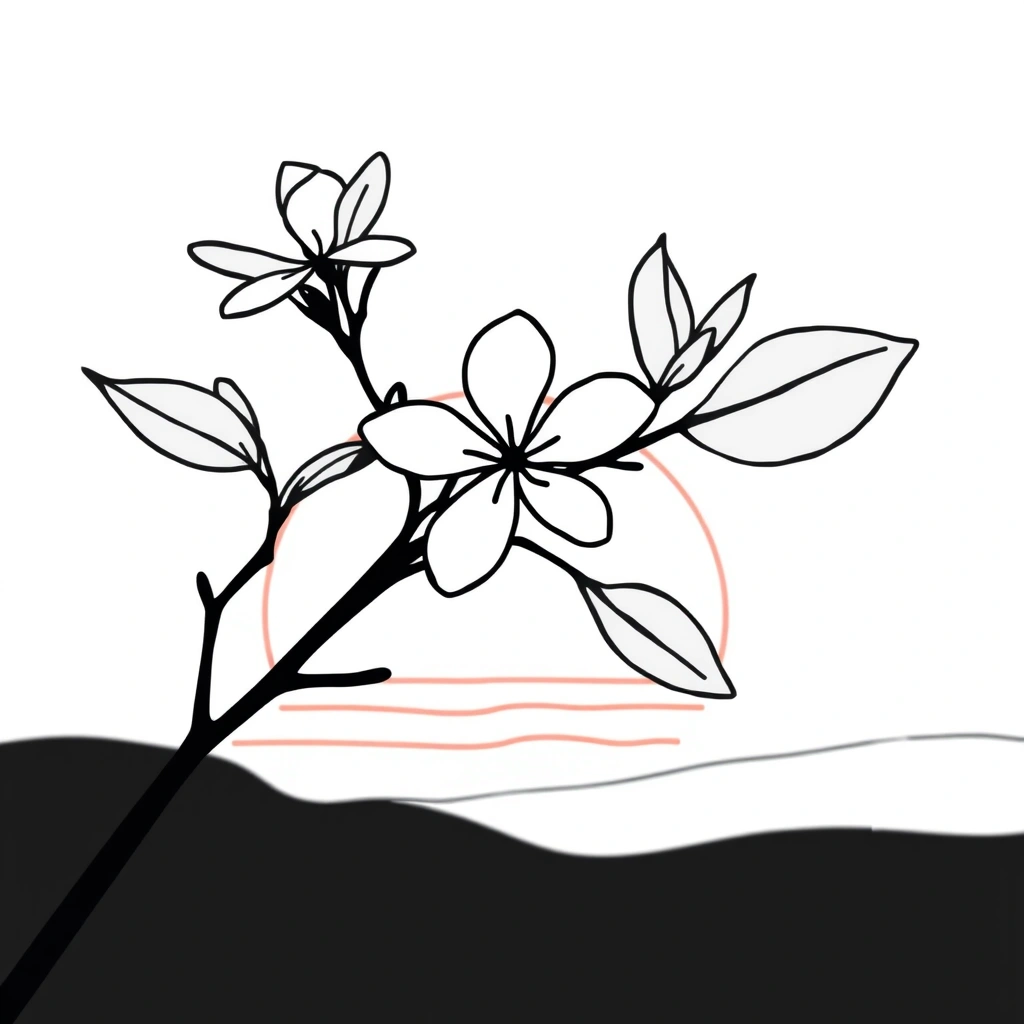
This scene can teach children about the various uses of jasmine besides decoration.
This collection of free printable jasmine coloring pages brings together twelve distinct floral scenes. You will find a delicate jasmine flower bouquet ready for crayon or colored pencil, trailing jasmine vine pages with twisting stems to follow, and a full jasmine garden spread that lets kids fill in rows of blooms. There are potted jasmine plants for small-space coloring, plus nature pairings like jasmine and ladybug or jasmine and bees that add extra characters to the scene. Nighttime options include jasmine and moonlight pages with soft background shapes, while a jasmine wreath design works well for seasonal projects. Rounding out the set are jasmine tea illustrations, children picking jasmine in garden settings, a fairy tale jasmine scene, and a bold jasmine silhouette for high-contrast coloring.
Jasmine flowers are typically white or pale yellow, which makes the leaves and background the real coloring opportunity. Younger kids can use broad strokes of green for vines and deep blue or purple for night sky pages. Older children might layer light gray or cream on petals to show shadow, then add bright pops of red for the ladybug or golden tones for bees. The silhouette page invites any color combination. Standard crayons handle the wreath and bouquet outlines well; colored pencils give better control on the detailed vine and tea cup images. Markers work on the bolder garden and fairy tale scenes but can bleed on the fine-lined children picking jasmine page.
These jasmine coloring pages fit quiet afternoons at home, especially after a trip to a botanical garden or flower shop. Teachers can use the potted jasmine and garden sheets during plant science units or spring classroom decor swaps. The children picking jasmine image pairs naturally with discussions about how flowers are harvested. For small group settings, the jasmine wreath page doubles as a collaborative project where each child colors one section. The jasmine and bees sheet works for insect units, while jasmine tea pages connect to lessons about cultures where the flower flavors traditional drinks. Print a few extras of the silhouette and moonlight designs for mixed-age groups since their open shapes suit both beginners and kids who want to add their own background details.
After coloring, cut out the jasmine vine or wreath shapes and string them along yarn or ribbon to make a hanging garland. The potted jasmine page can be trimmed and taped to a real plant pot as a decorative label. For the fairy tale scene, invite kids to write a one-sentence story on the back before hanging it up. The garland works across seasons because jasmine flowers in different parts of the world at different times, so the display stays relevant year-round. This gives finished coloring sheets a purpose beyond the table and lets kids see their work as part of a larger decorative project.
Jasmine flowers can be found in many colors, although white and yellow are the most common.
The essential oil from jasmine is used in aromatherapy for its calming properties.
Some species of jasmine can grow as vines, while others can be more shrub-like.
Jasmine flowers bloom during the warm months and are often a sign of spring.
In some cultures, jasmine is a symbol of love and romance.
Jasmine is not only beautiful but also attracts pollinators like bees and butterflies.
Can't find the perfect page?
Type an idea like the ones above — or upload a photo — and ColorHippo turns it into printable line art in seconds.
15 free credits · No credit card
Your coloring page is downloading
Want a Jasmine page made just for you?
Describe it and AI draws it in seconds — your first 15 credits are free.
Create a custom page