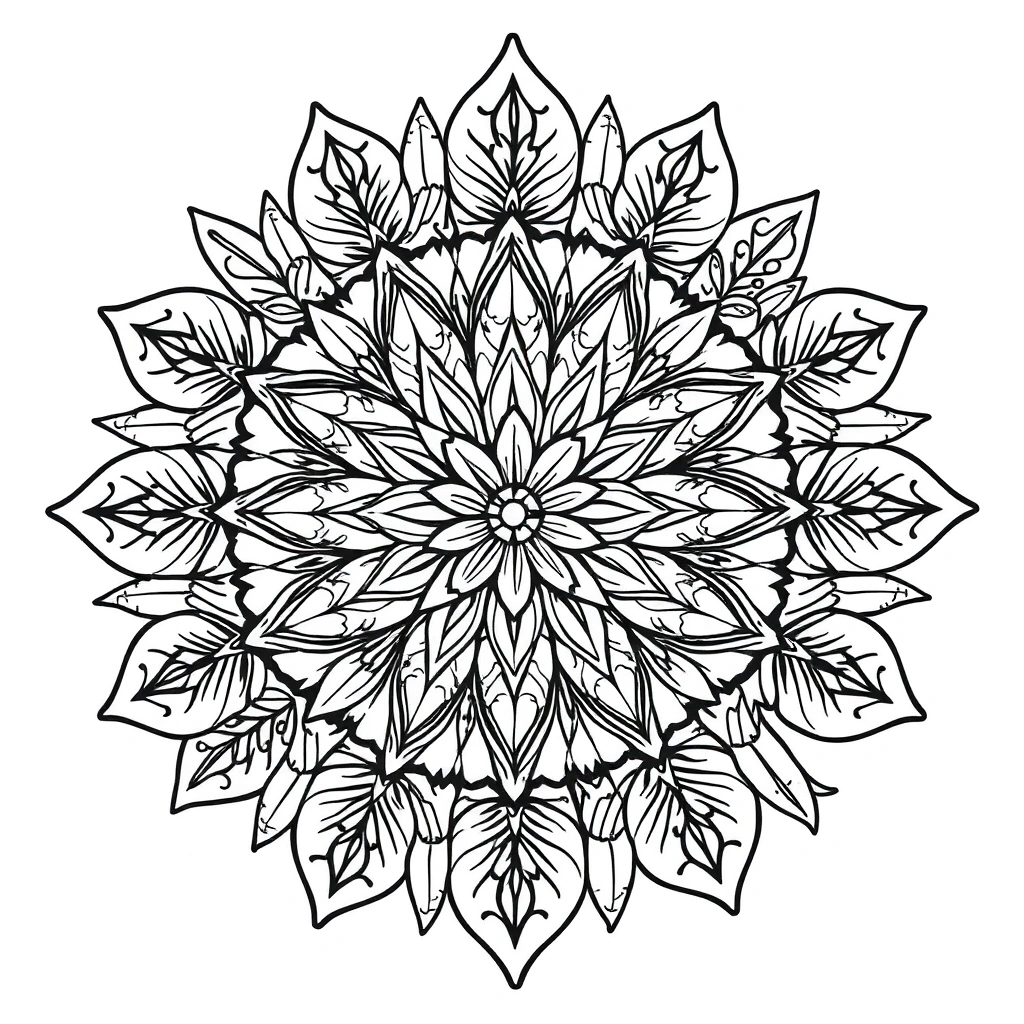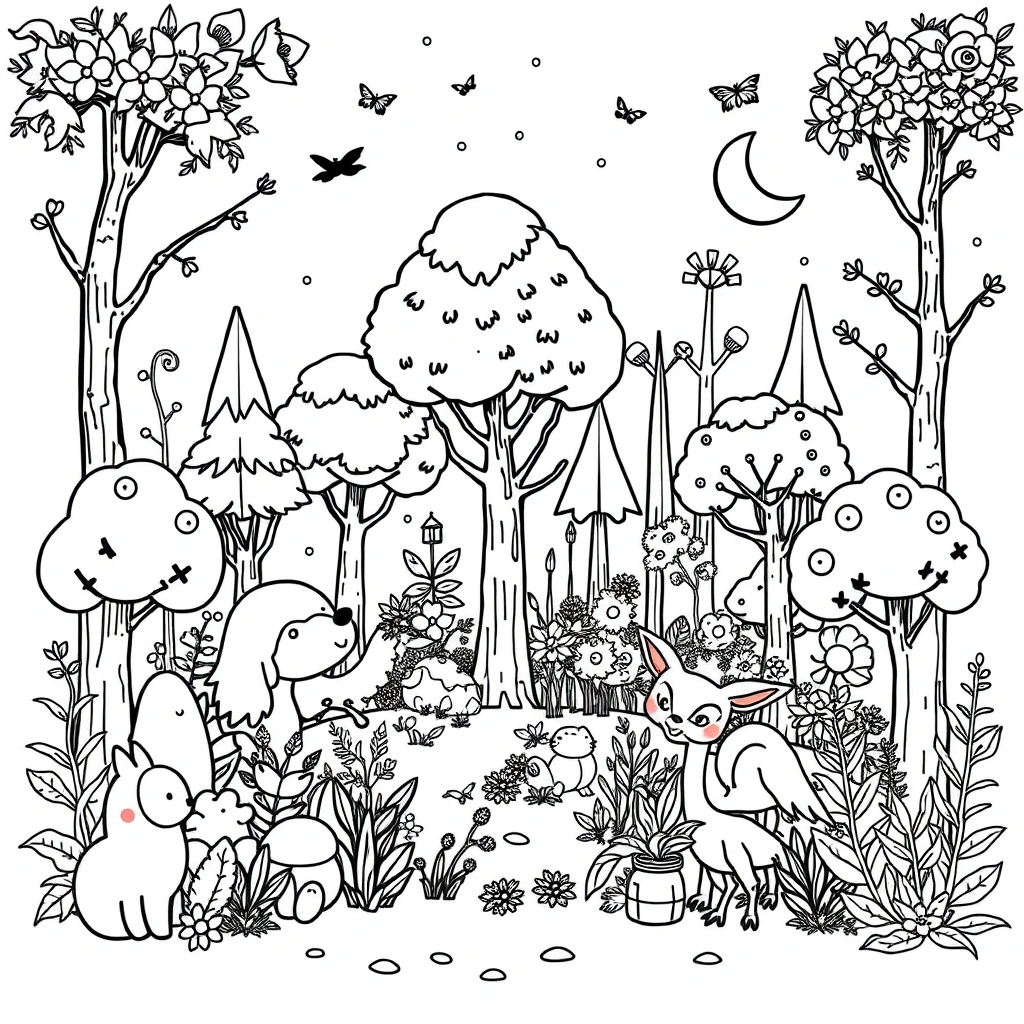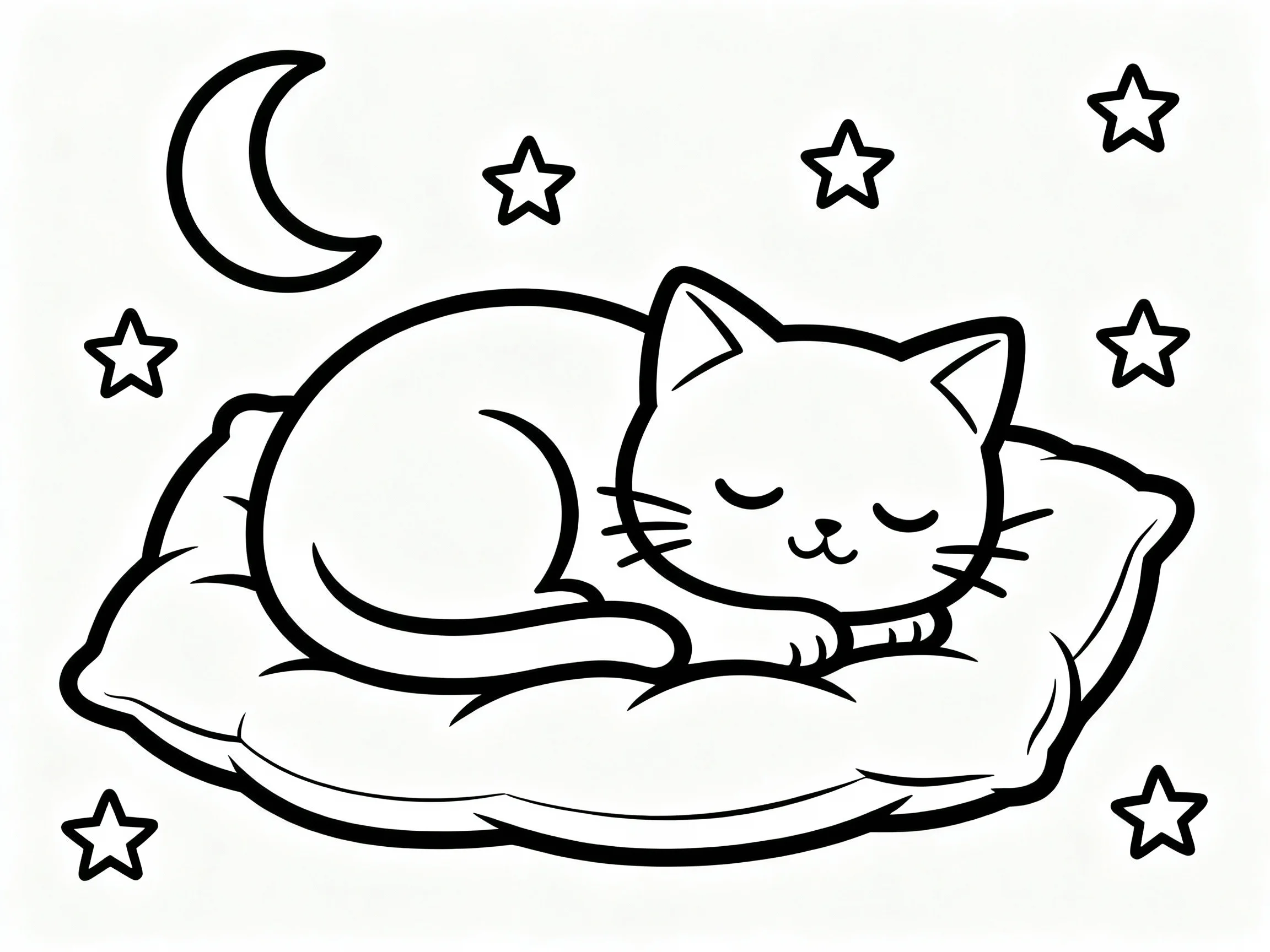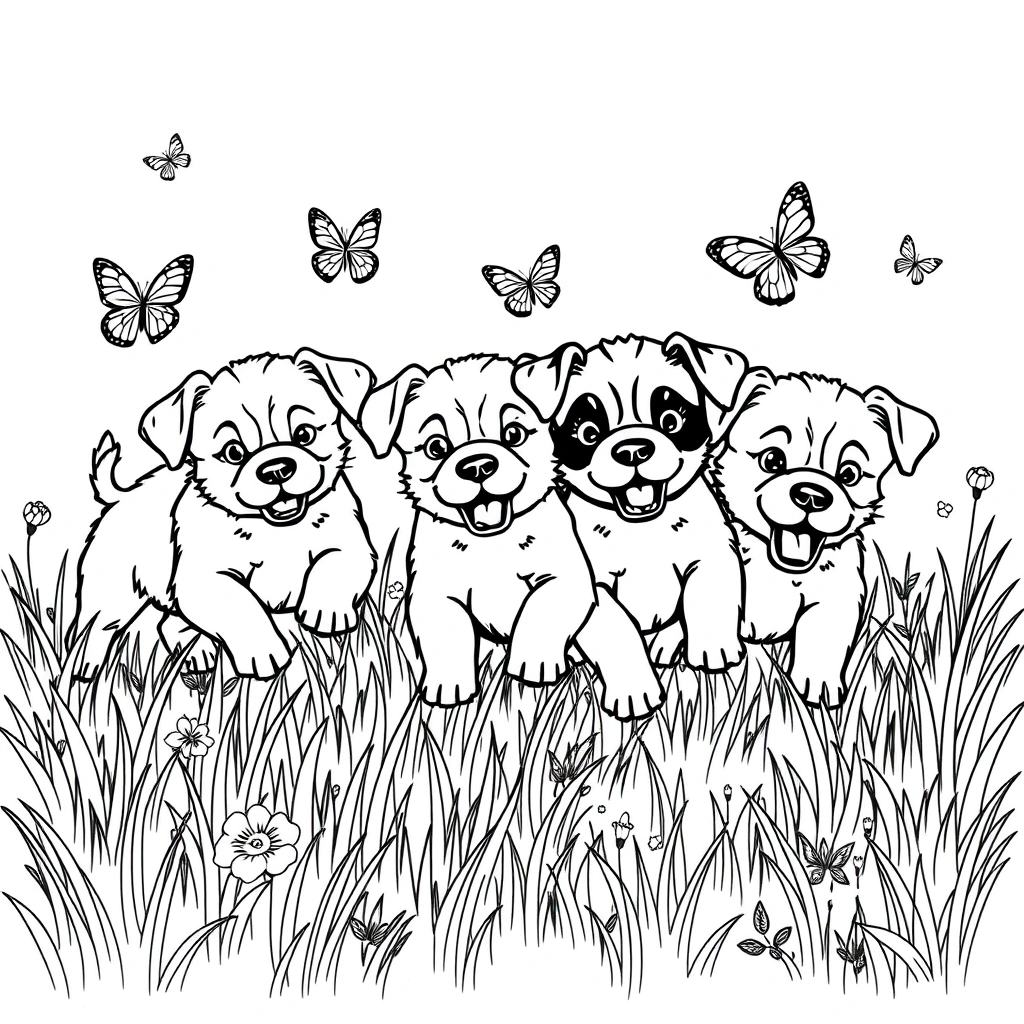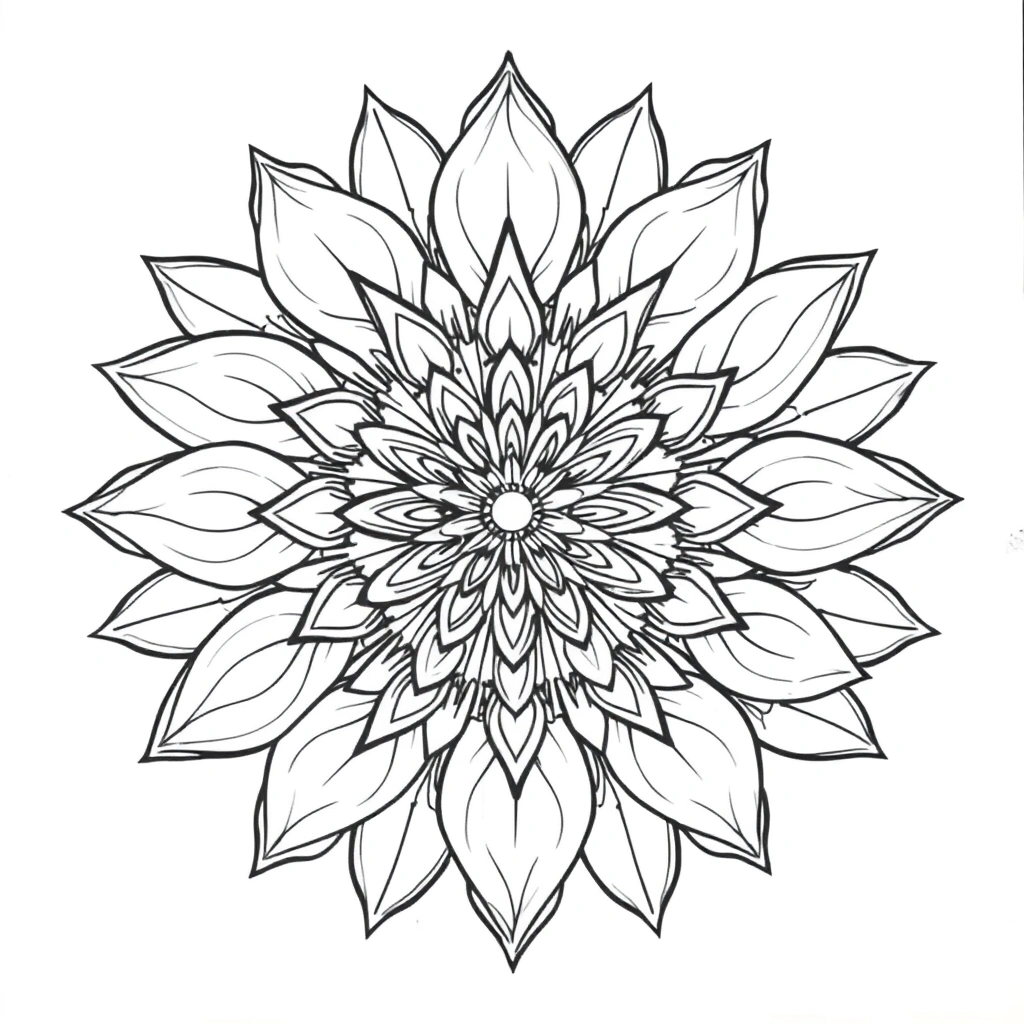
Floral Mandala
Children can learn about patterns and how they repeat in beautiful designs.
Reviewed by the ColorHippo team • Updated July 22, 2026. Patterns tested for balanced symmetry, open coloring zones, and clean prints at home.
Children can learn about patterns and how they repeat in beautiful designs.
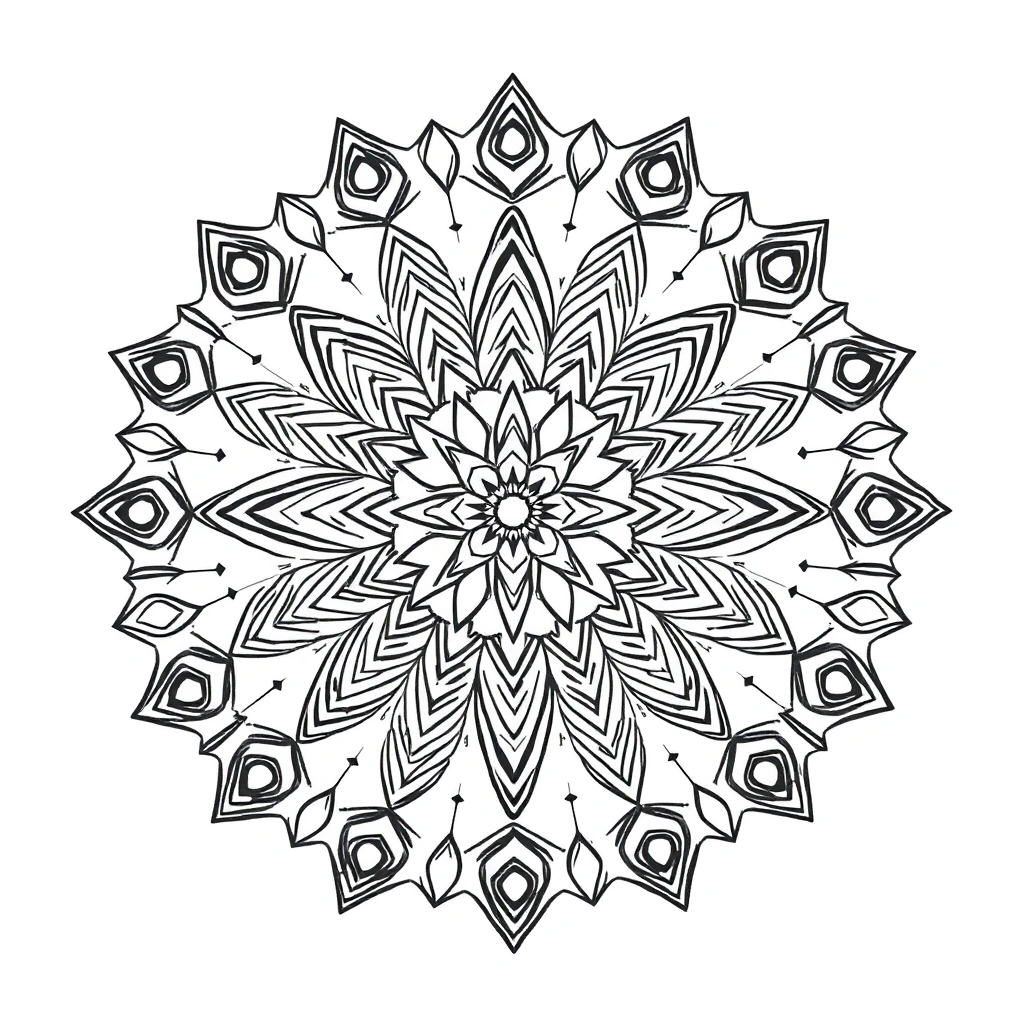
This scene helps kids understand symmetry with its balanced shapes.
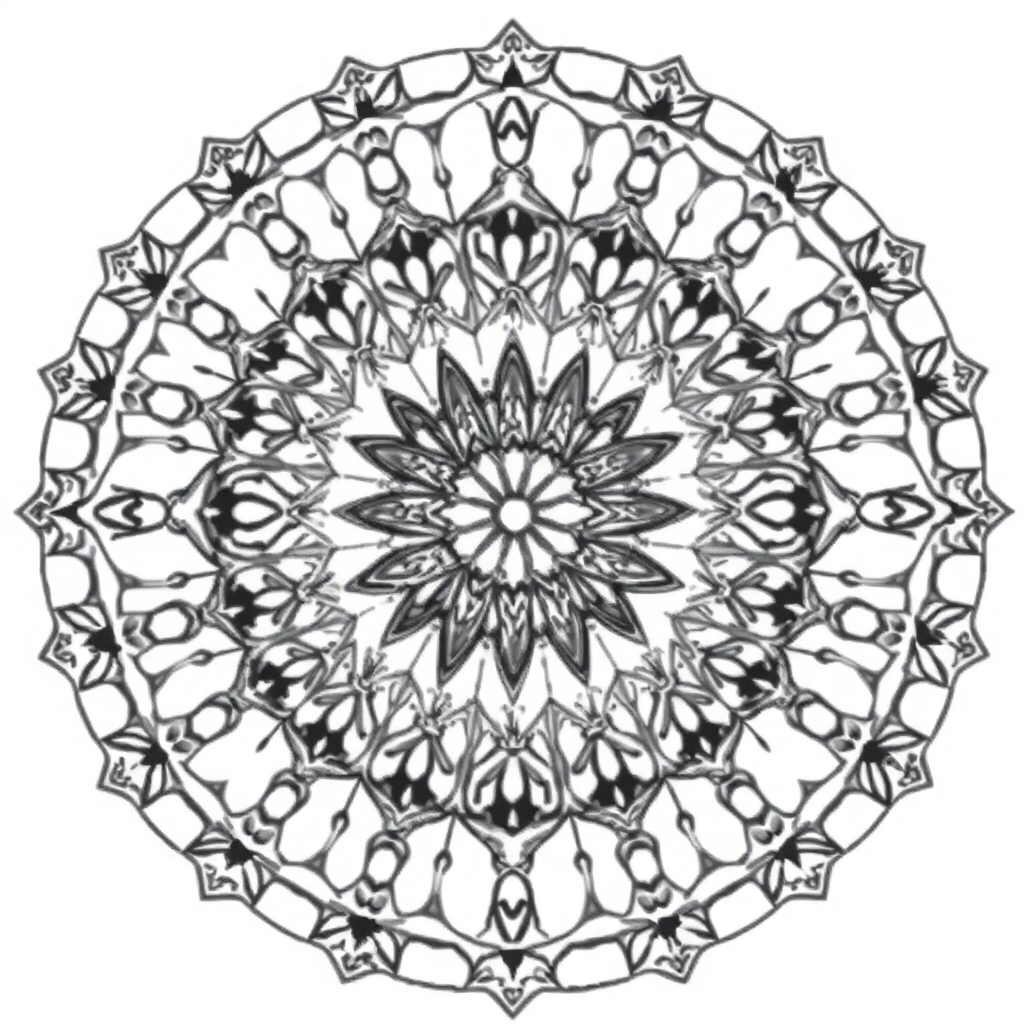
Kids can explore color blending by using different shades on adjacent elements.
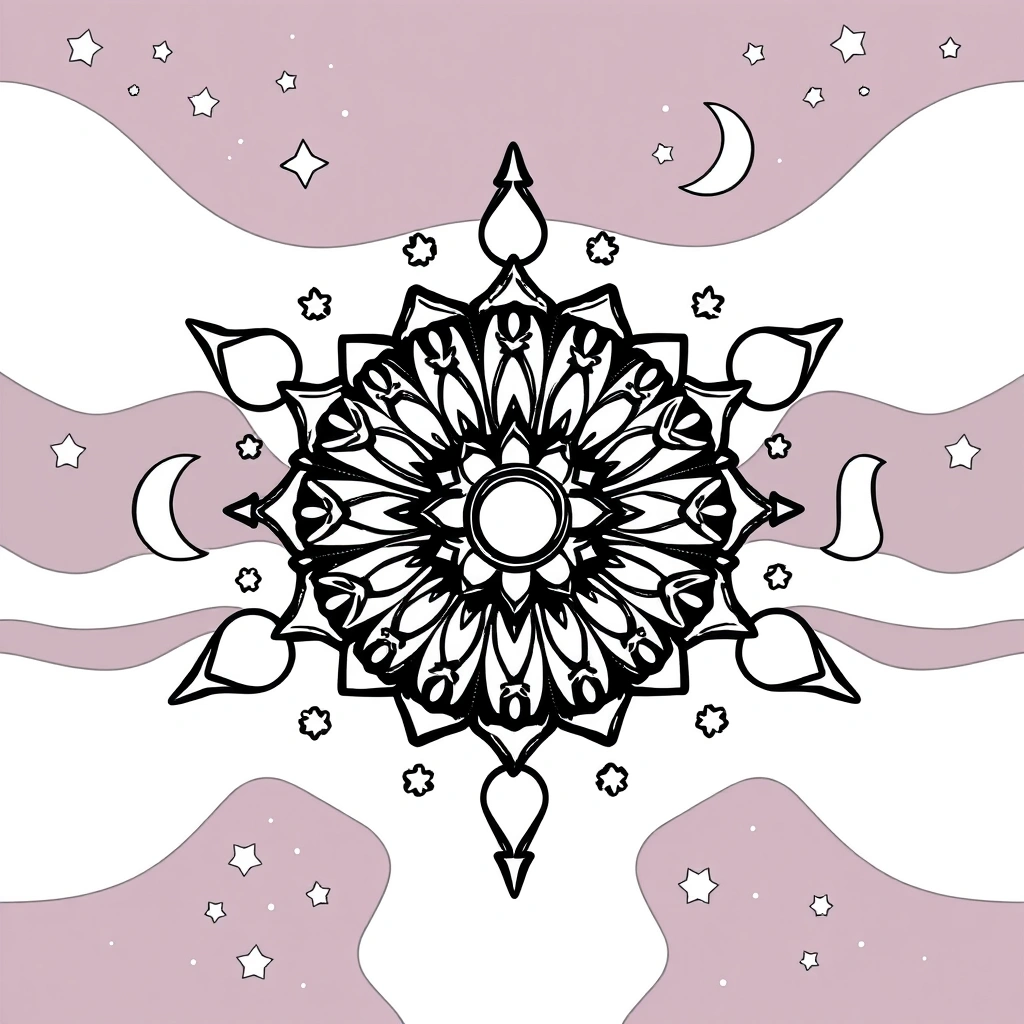
This scene encourages imagination as children create their own color stories.
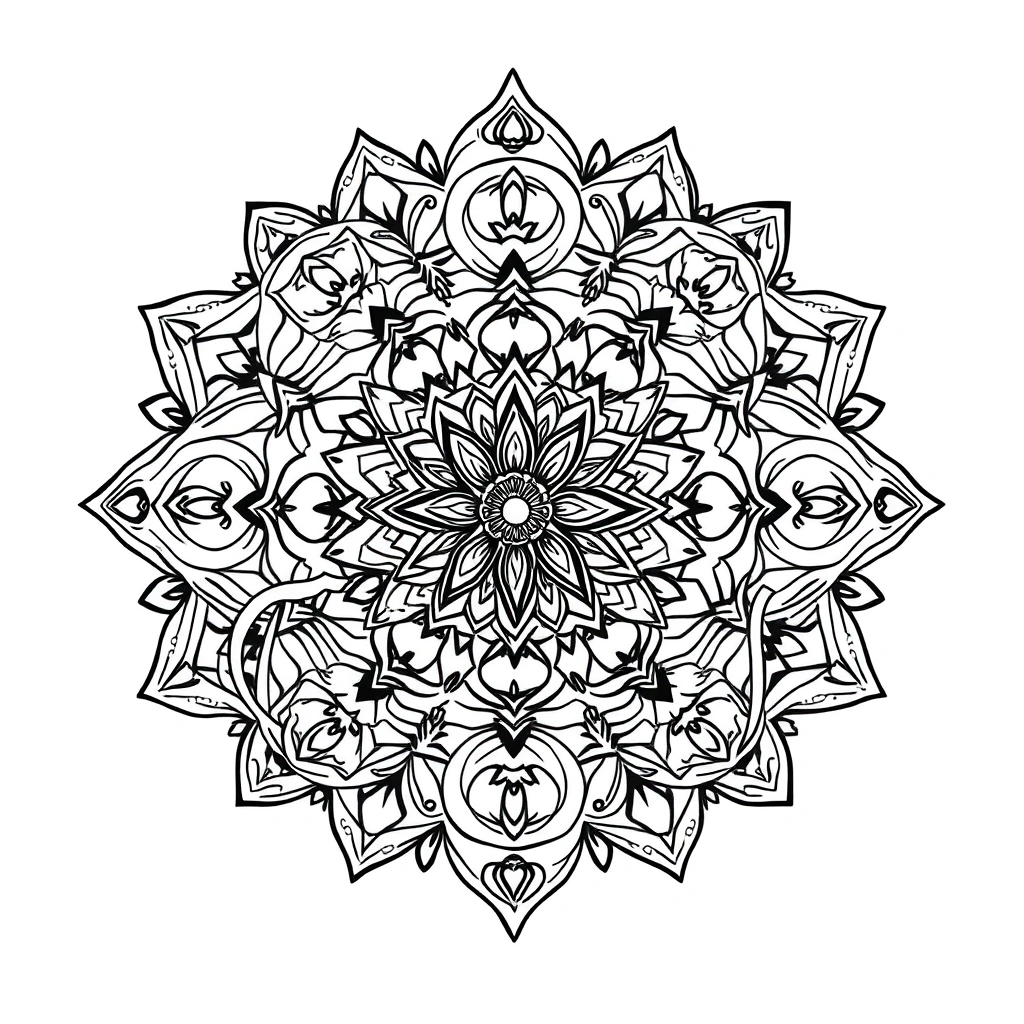
Children see the importance of detail when coloring small sections carefully.

This scene teaches about the circle's importance and its symbolism in various cultures.
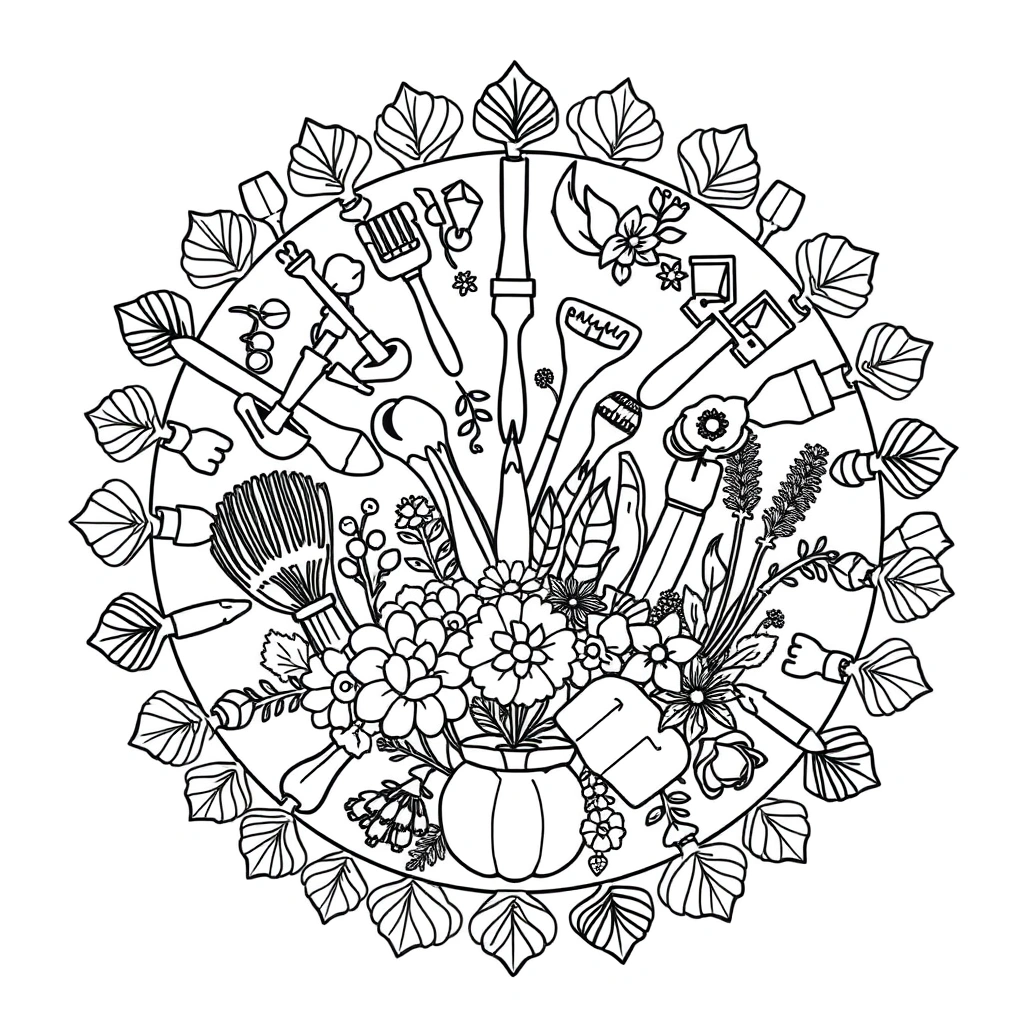
Kids learn about the emotional impact of color choices on their artwork.
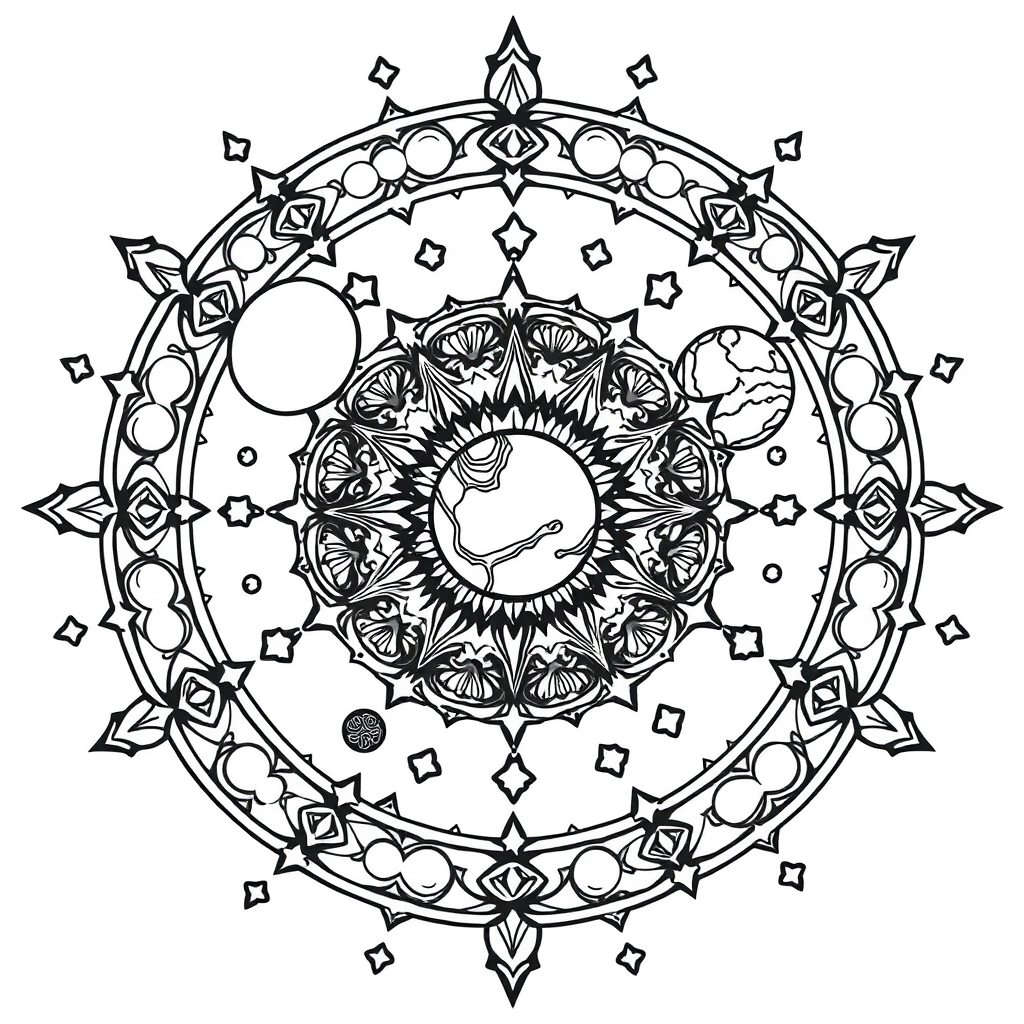
This scene shows how to use contrasting colors effectively.
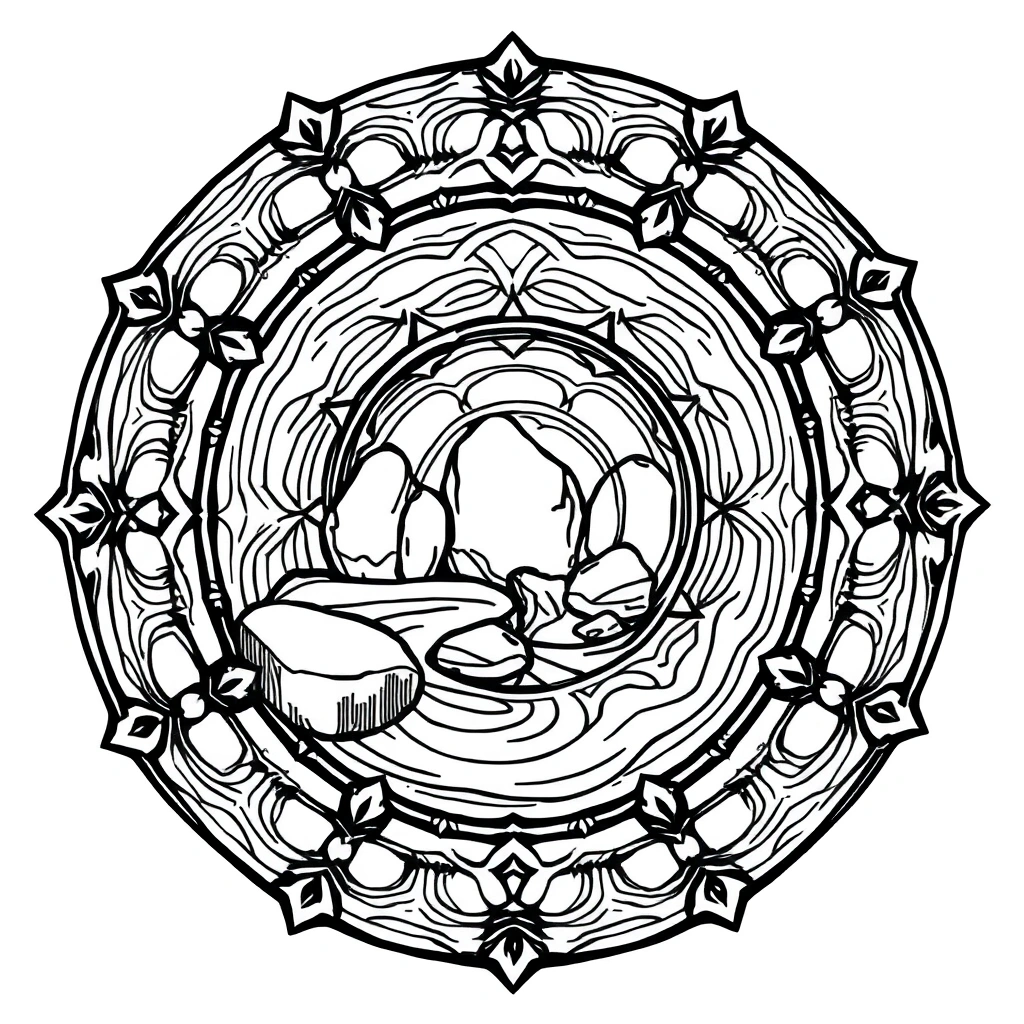
Children discover how mandalas can symbolize different ideas or feelings.
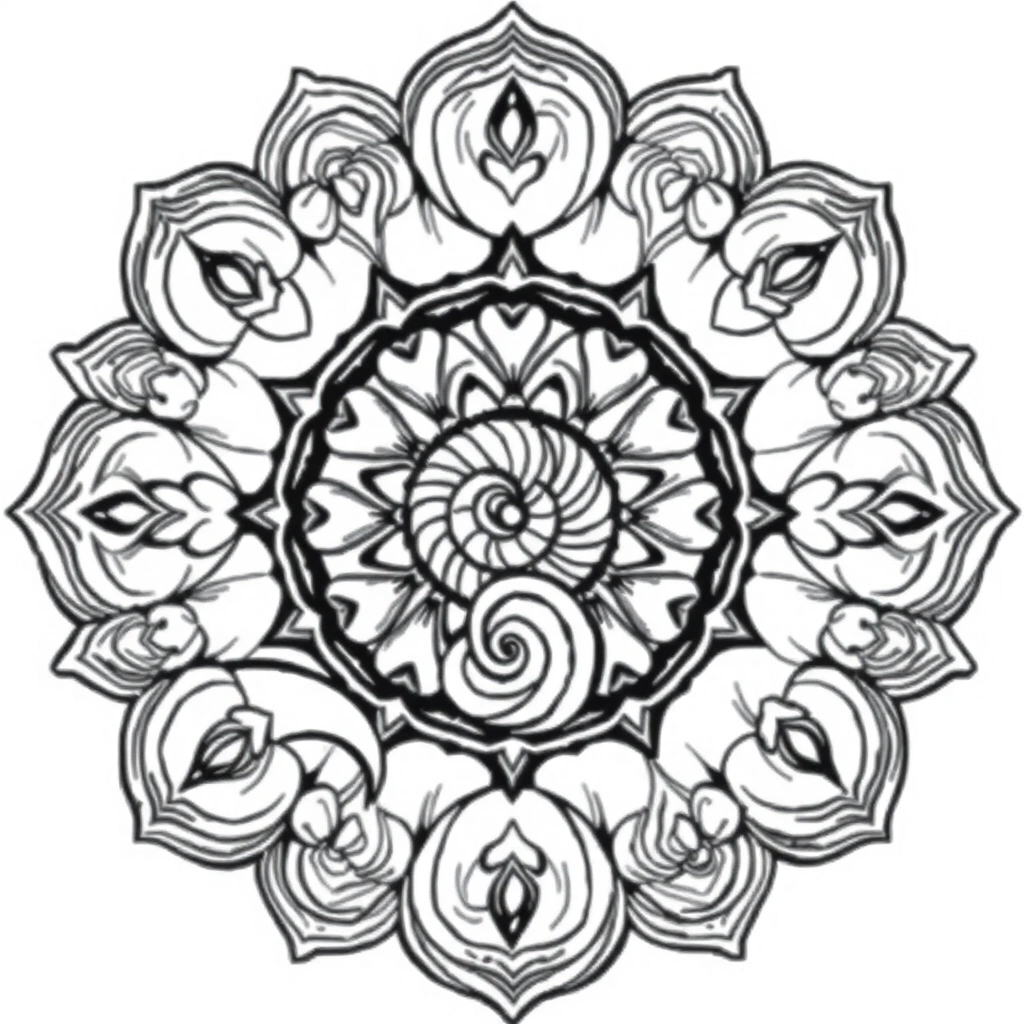
This scene encourages kids to express their individuality through color.
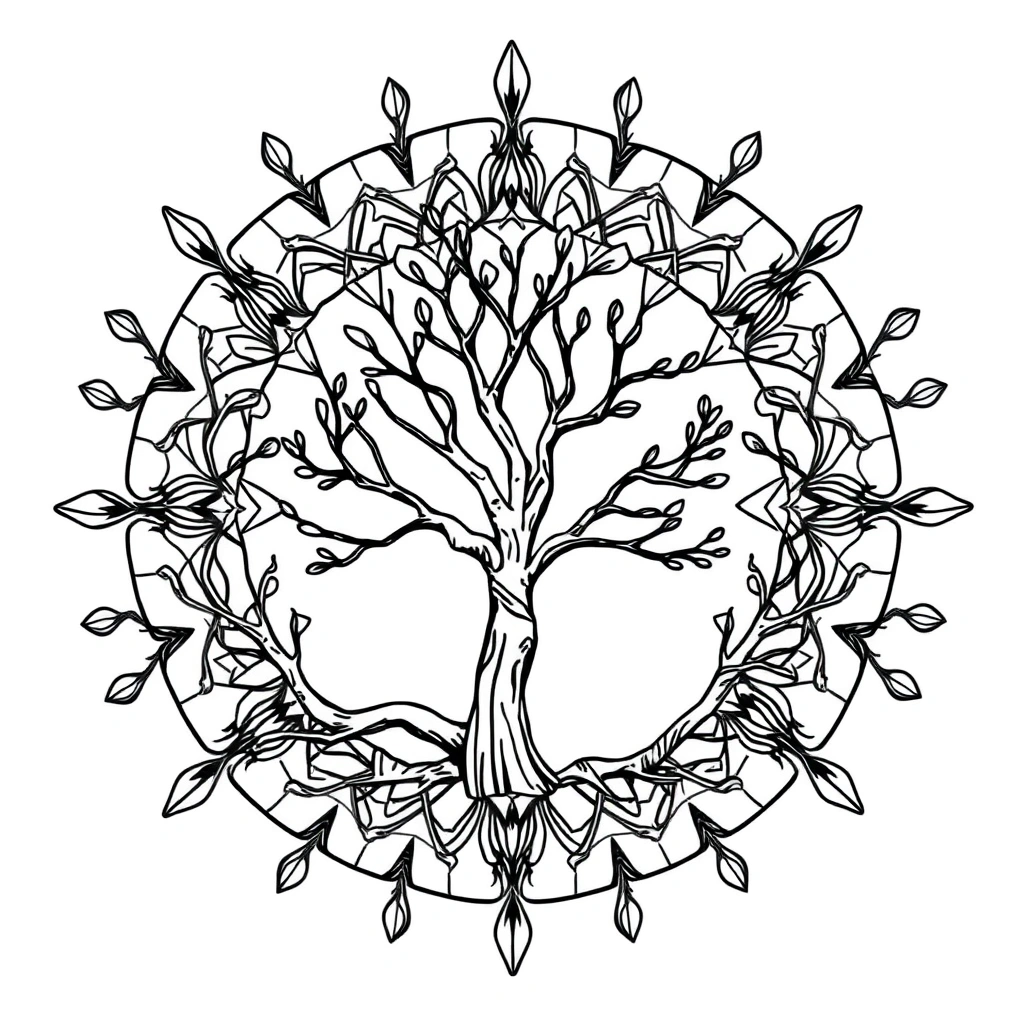
Kids can recognize the connections between nature and mandala shapes.
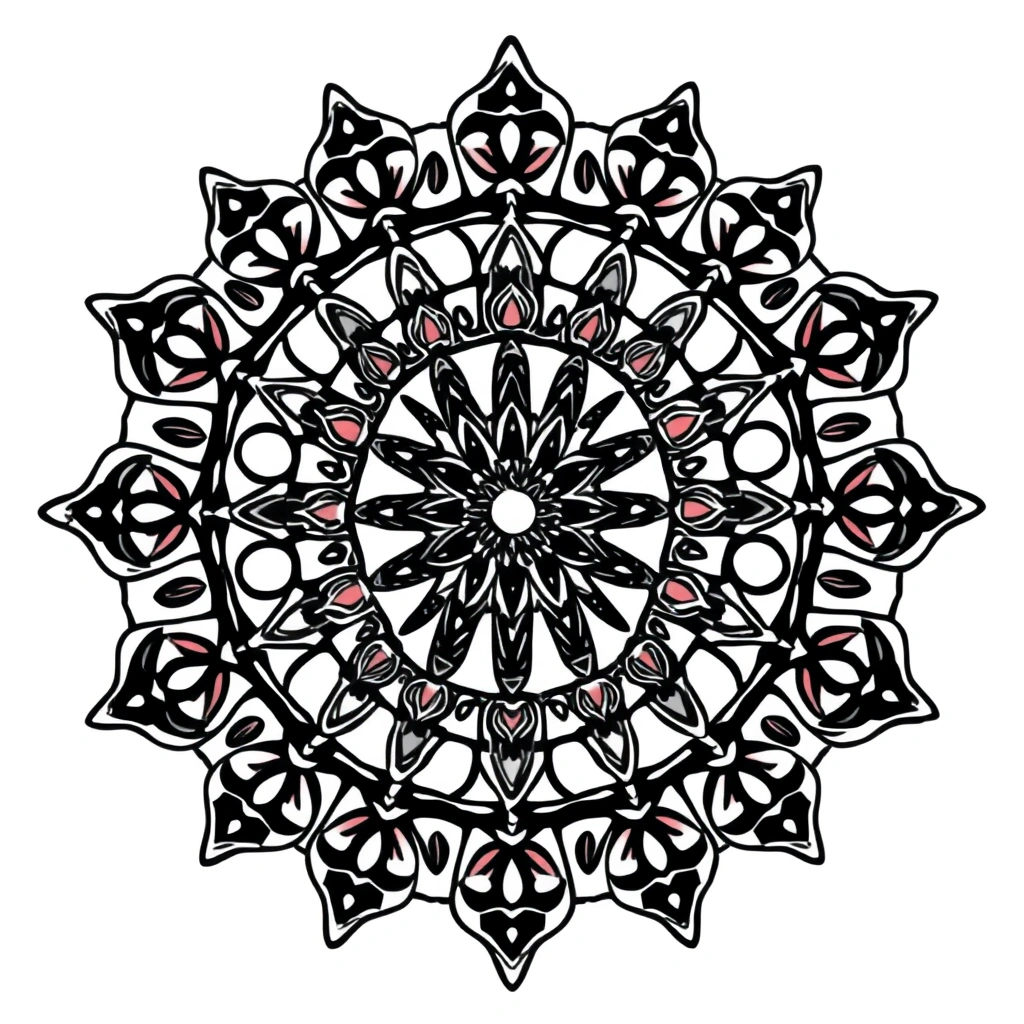
This scene allows children to see how their creativity can shine through different designs.
This collection of easy mandala coloring pages brings together twelve approachable designs that prove intricate-looking art does not require advanced skills. You will find a Floral Mandala with petal rings that layer naturally, a Geometric Shapes Mandala built from repeating triangles and circles, and an Animal Print Mandala where zebra stripes and leopard spots form gentle radial patterns. The Starry Nights Mandala gathers moons and simple stars into soft symmetry, while the Under the Sea Mandala circles fish silhouettes and wave curves around a calm center. Winter Wonderland, Gardening, Celestial Bodies, Zen Garden, Spiral Shell, Budding Trees, and Festival Lights mandalas round out the gallery, each keeping line work bold and spaces open enough that filling them feels satisfying, not stressful.
Because these free printable sheets stay simple, color choices become the main event. Warm palettes of coral, gold, and soft pink suit the Festival Lights and Budding Trees mandalas. Cool ocean greens and sandy tans anchor the Under the Sea and Spiral Shell designs. The Celestial Bodies and Starry Nights mandalas invite deep blues with silver or white gel pen accents. Children as young as five can stay inside the thick boundaries easily, while older kids and adults can push into gradients and light shading without fighting tiny details. Crayons, colored pencils, and markers all behave well on these open shapes.
Easy mandala coloring pages work beautifully as morning warm-ups in classrooms, where the repetitive structure helps students settle into focused work. At home, they bridge age gaps: a parent and child can each color their own mandala side by side with no frustration gap. The Zen Garden and Winter Wonderland designs make excellent waiting-room or travel activities, since partial completion still looks complete. Teachers have used the Gardening and Floral mandalas as bulletin board centers during spring units, photocopying several for a collaborative wall display where each student contributes one colored ring.
Extend the activity by turning completed pages into functional art. Have children cut their colored mandalas into quarters, then trade pieces with friends to assemble hybrid designs that mix the Animal Print, Geometric Shapes, and Celestial Bodies palettes into unexpected combinations. Mount these collages on cardboard squares to create hanging room dividers or a rotating gallery above a desk. The bold symmetry of these beginner mandalas means even mixed pieces hold together visually, giving kids a tangible lesson in how patterns connect across different starting points.
Mandalas have been used for centuries in various cultures for meditation and spirituality.
Coloring mandalas can activate the right side of the brain, which is responsible for creativity and intuition.
The word 'mandala' comes from the ancient Indian language of Sanskrit and means 'circle'.
Research shows that coloring can have effects similar to meditation, reducing anxiety and promoting relaxation.
Mandalas are symmetrical, helping children understand concepts of balance and harmony.
Many artists use mandalas as a form of expression and self-reflection.
Can't find the perfect page?
Type an idea like the ones above — or upload a photo — and ColorHippo turns it into printable line art in seconds.
15 free credits · No credit card
Your coloring page is downloading
Want an Easy Mandala page made just for you?
Describe it and AI draws it in seconds — your first 15 credits are free.
Create a custom page