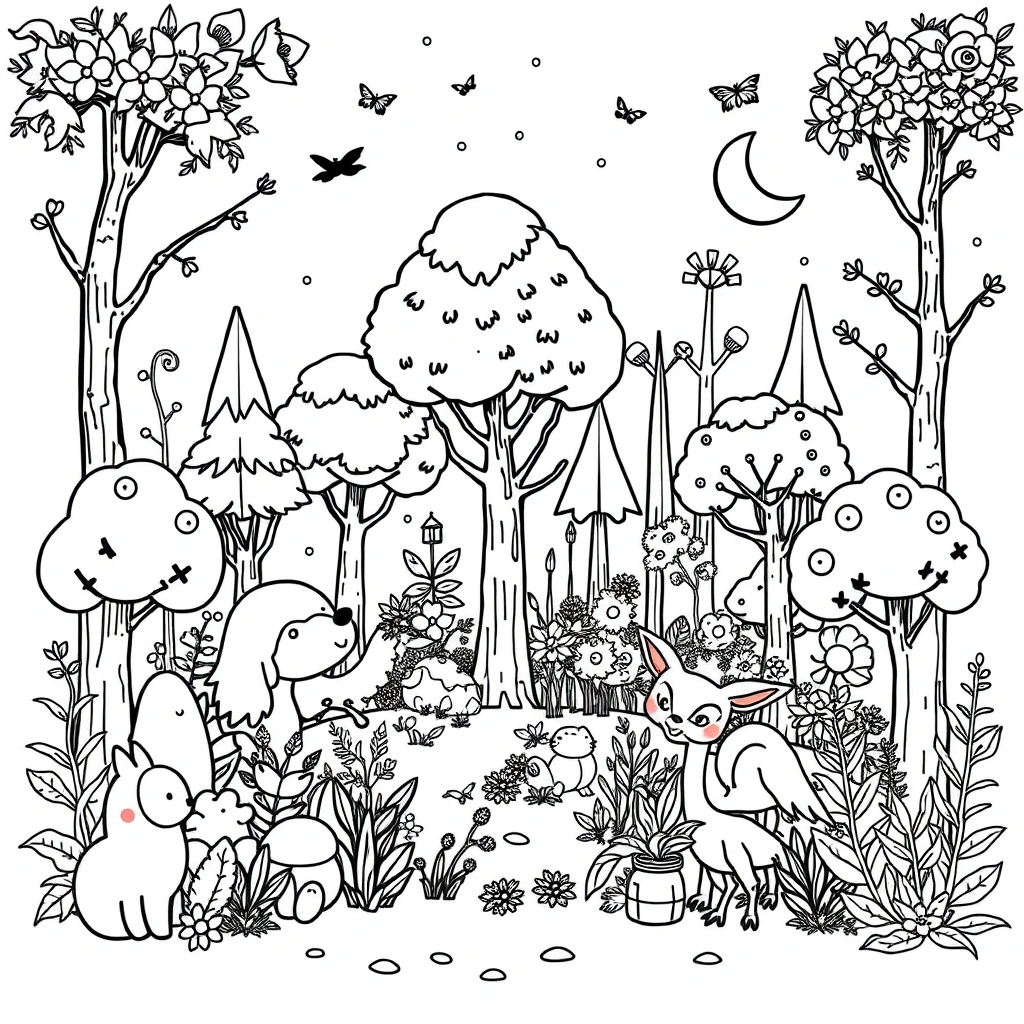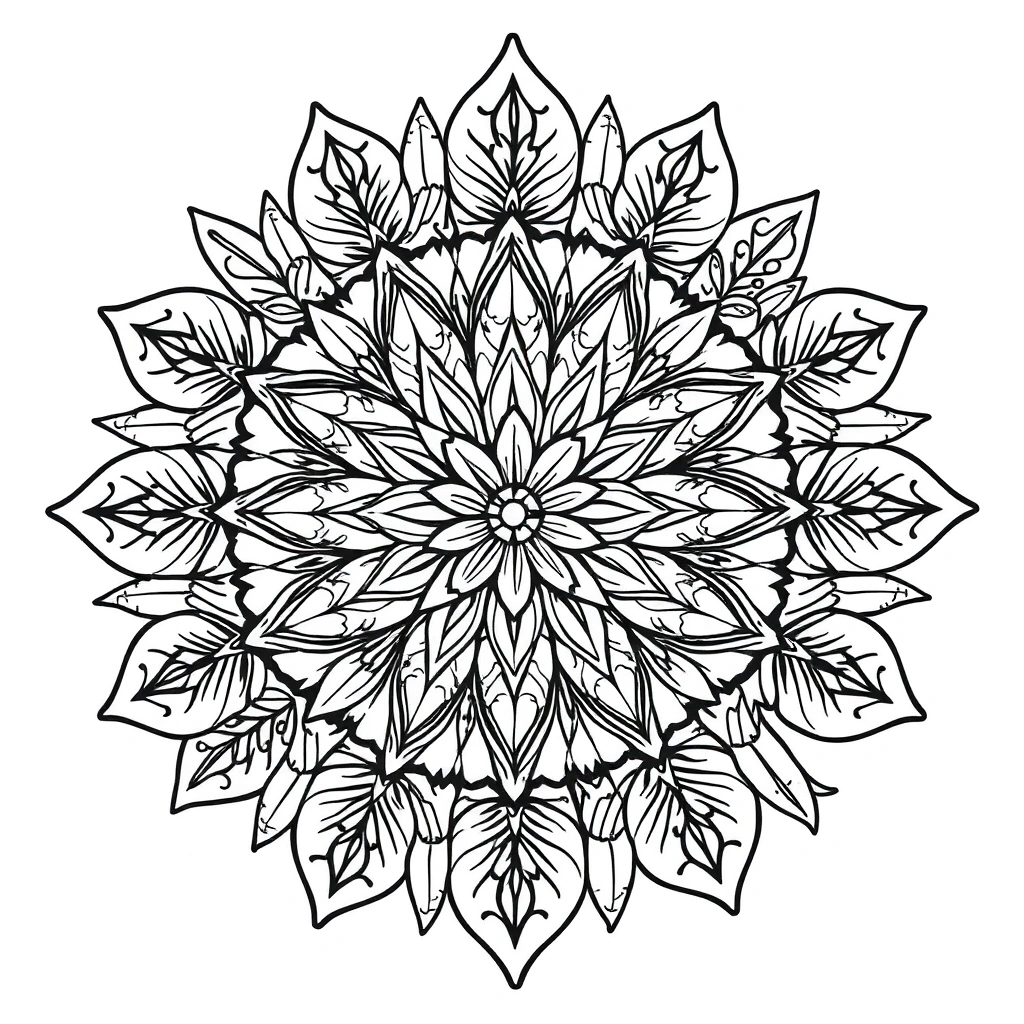
Nature Mandala
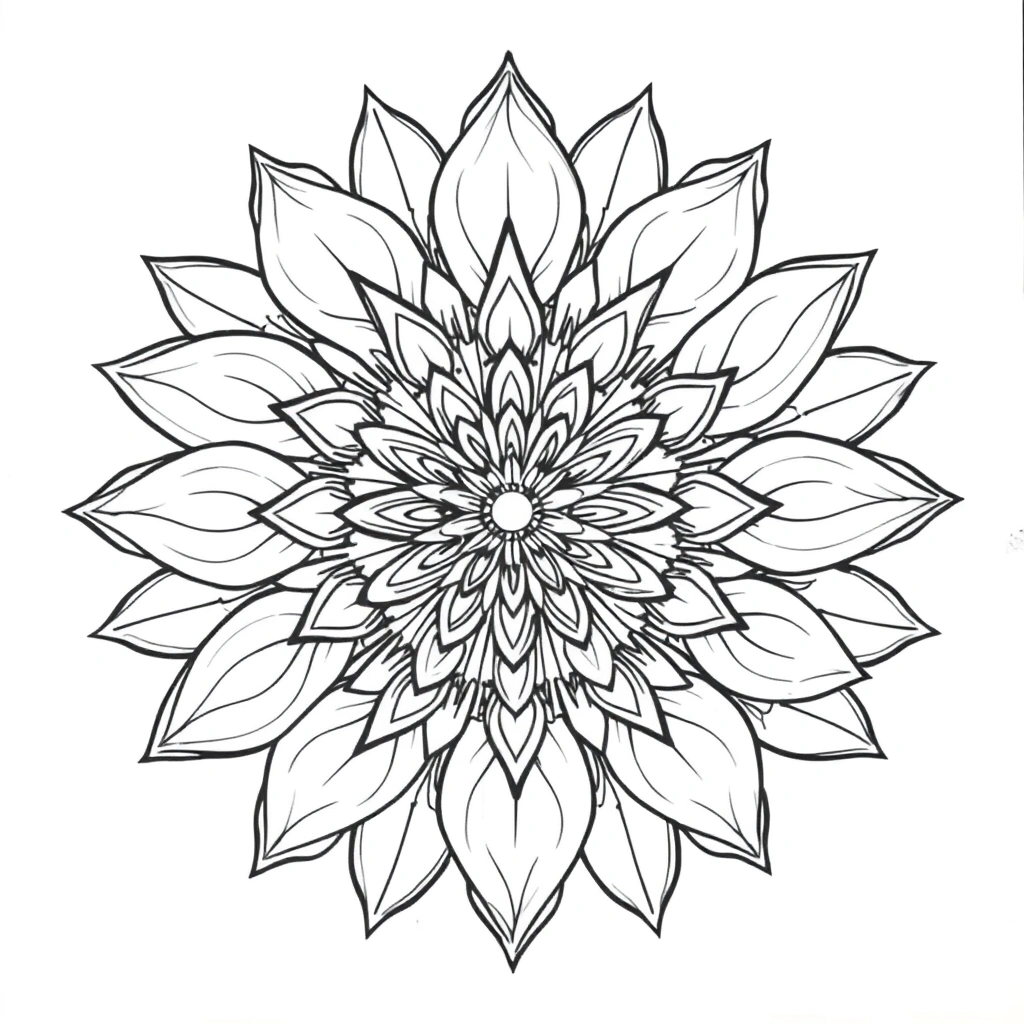
In this scene, children can learn about symmetry as they see balanced patterns throughout the mandala.
Reviewed by the ColorHippo team • Updated July 22, 2026. Patterns tested for balanced symmetry, open coloring zones, and clean prints at home.
In this scene, children can learn about symmetry as they see balanced patterns throughout the mandala.
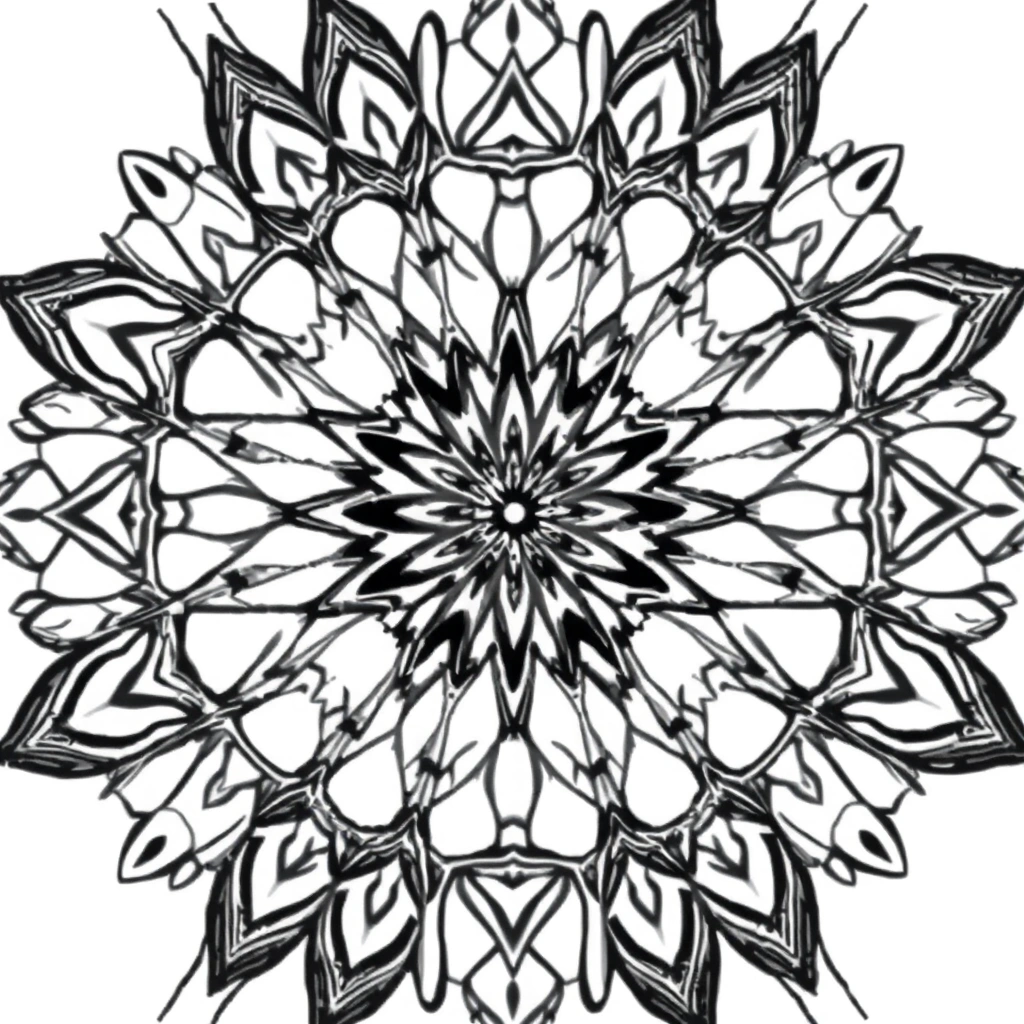
This scene shows vibrant colors, teaching kids about color combinations and how they can affect feelings.
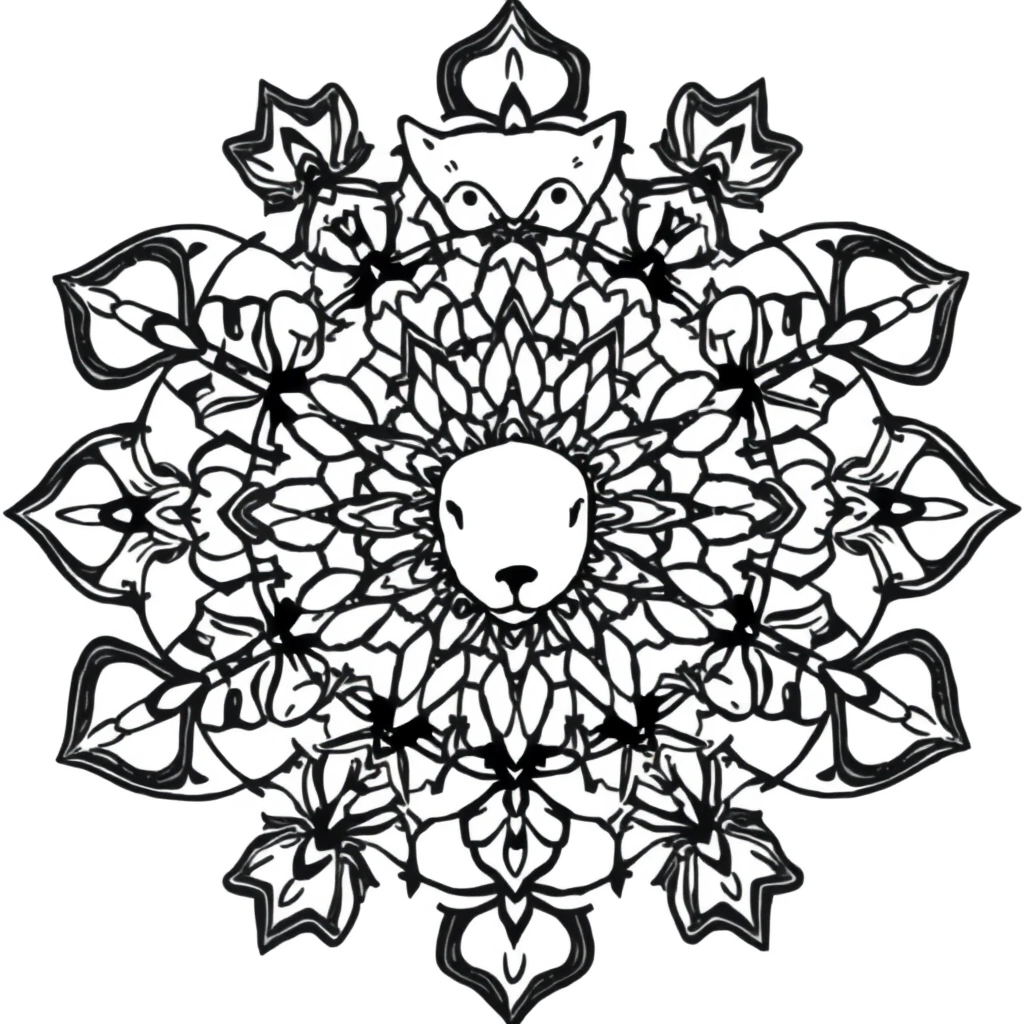
Here, children can recognize shapes while coloring different sections of the mandala.
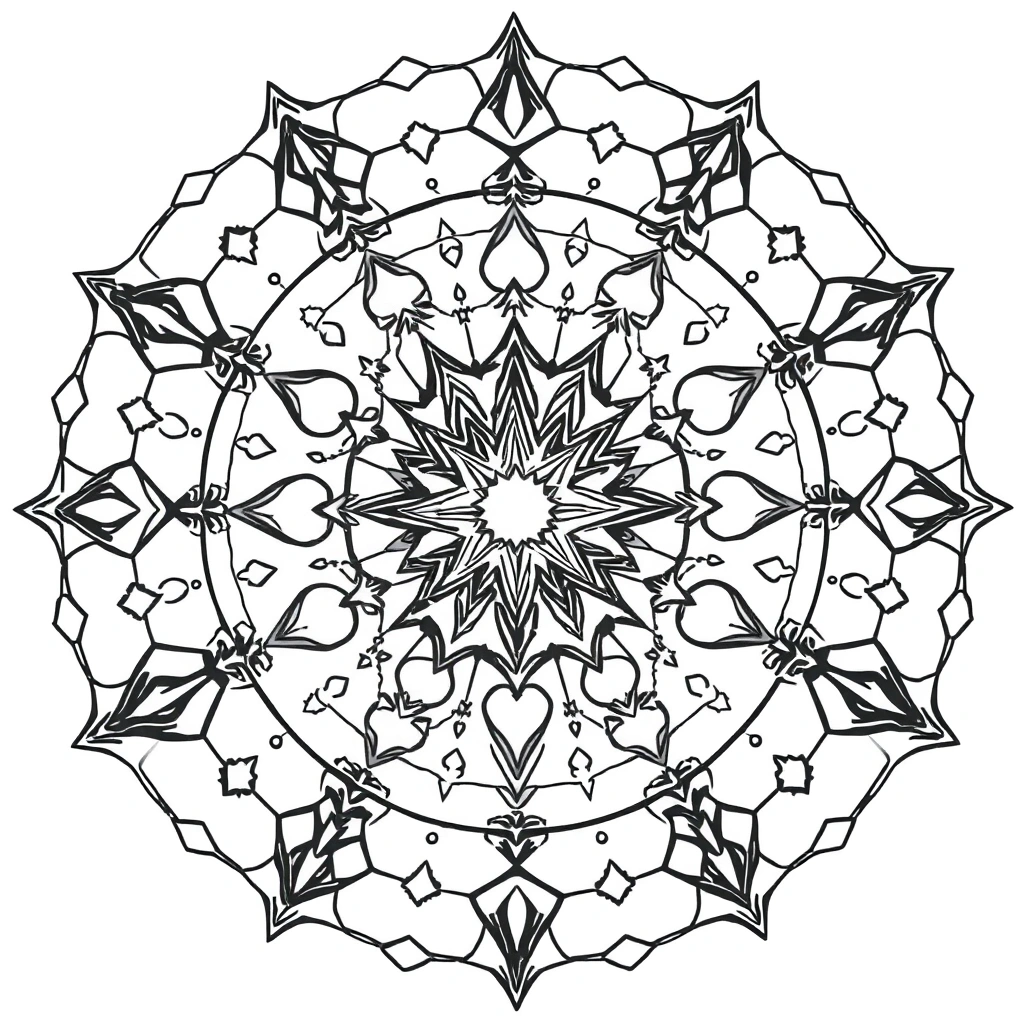
This mandala features intricate details, encouraging kids to practice patience and focus.
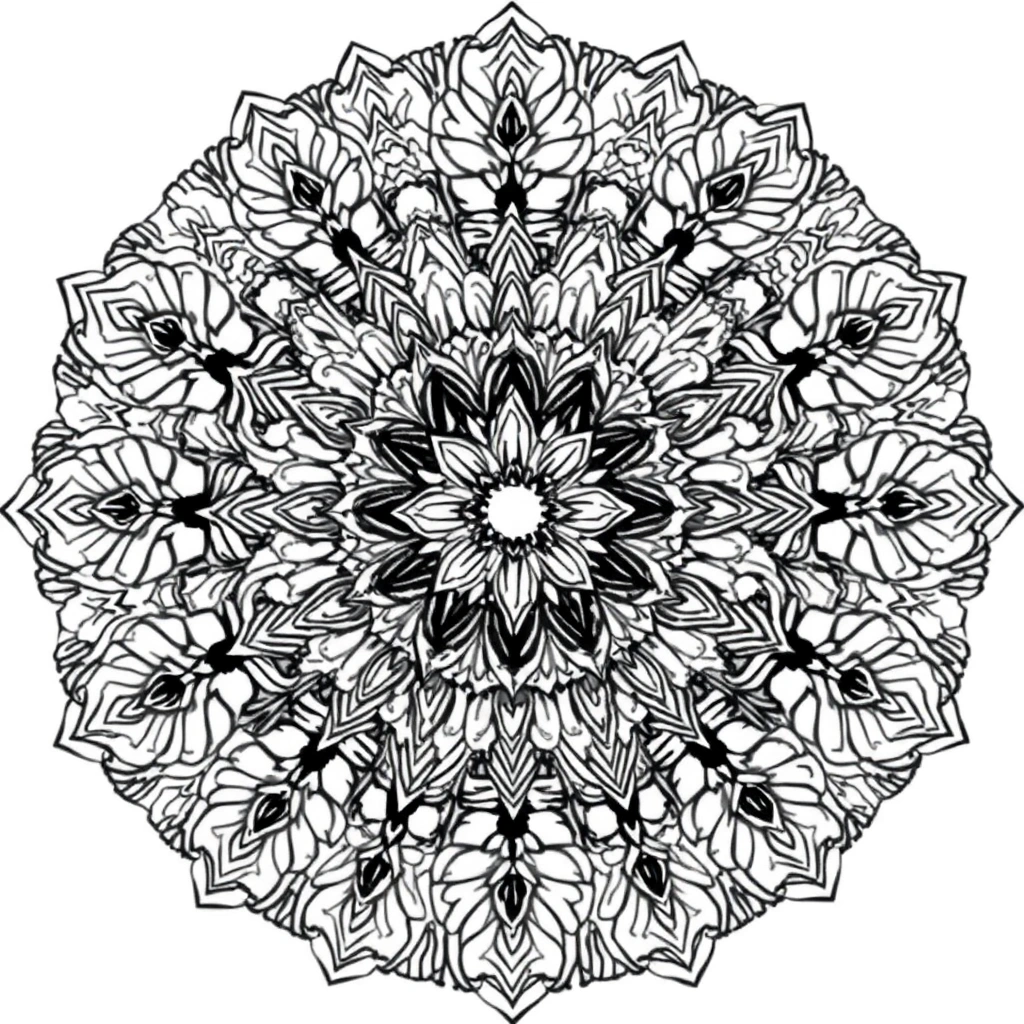
In this scene, kids can explore various patterns and how they can create their own designs.
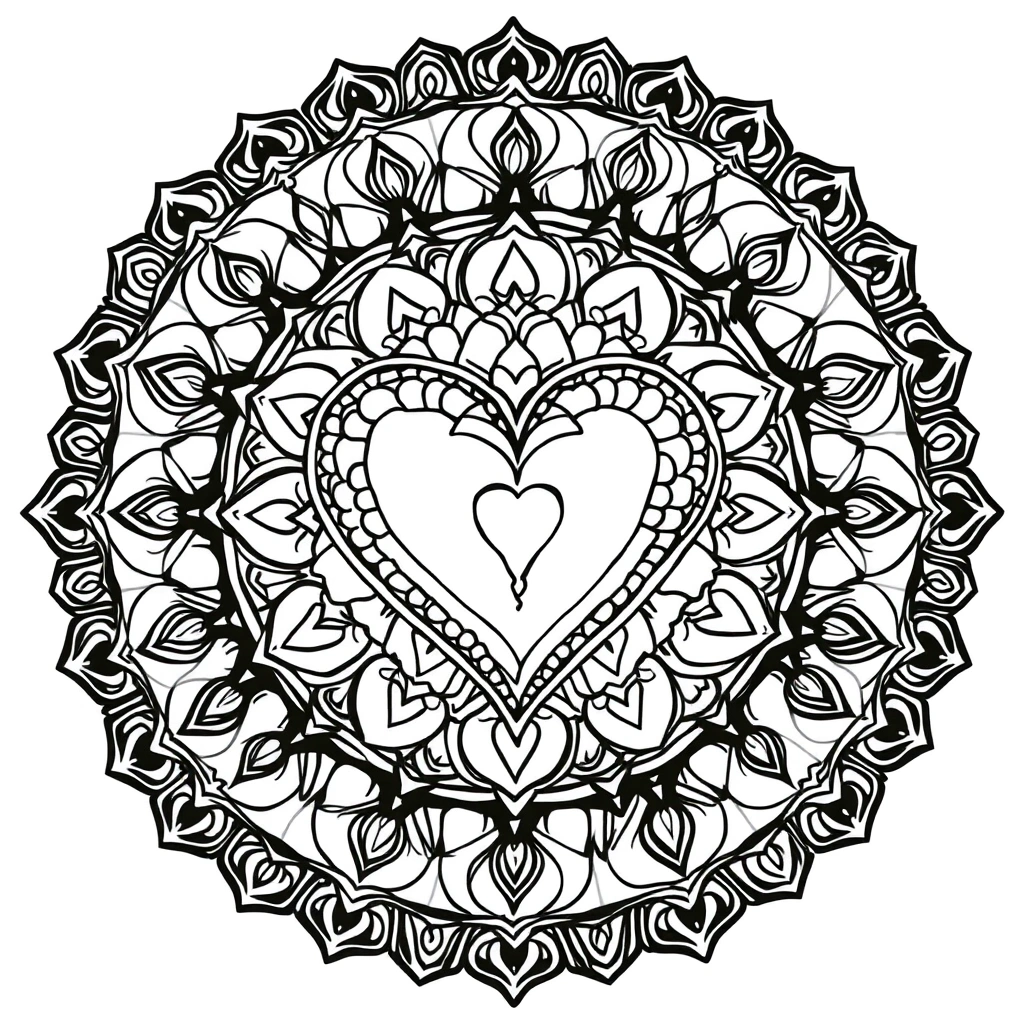
This mandala encourages mindfulness, showing how coloring can be a calming activity.
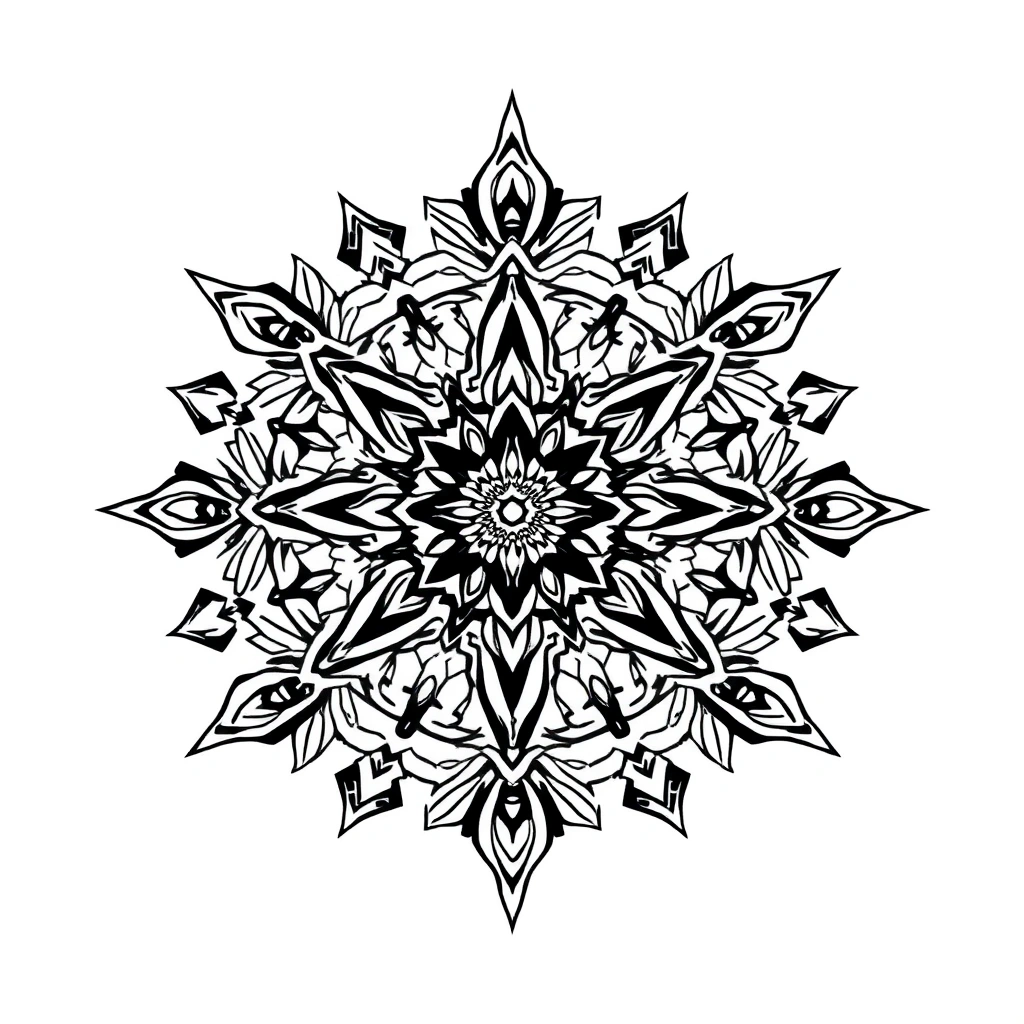
Here, children learn about creativity as they choose unique colors for each section.
This scene highlights cultural aspects of mandalas, allowing kids to explore art from different parts of the world.
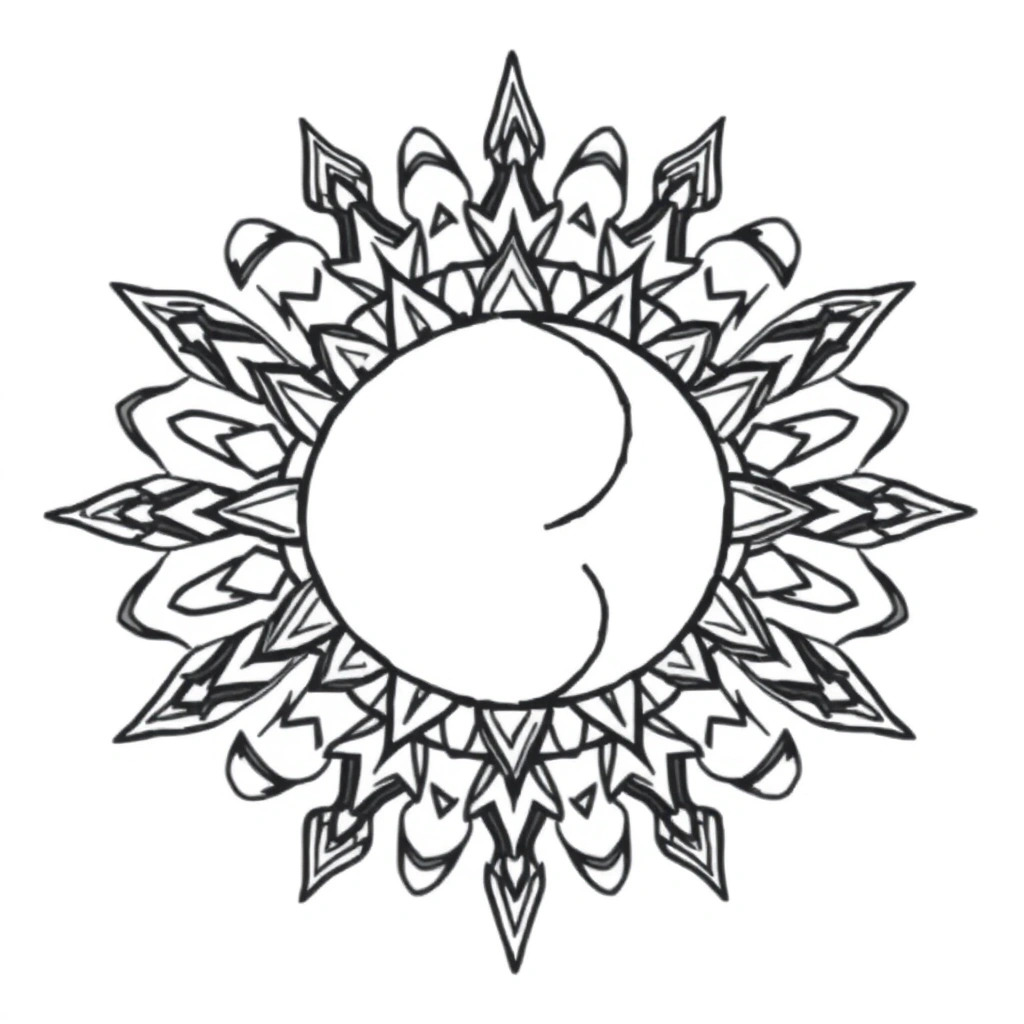
In this image, children's problem-solving skills can be enhanced as they decide how to color complex patterns.
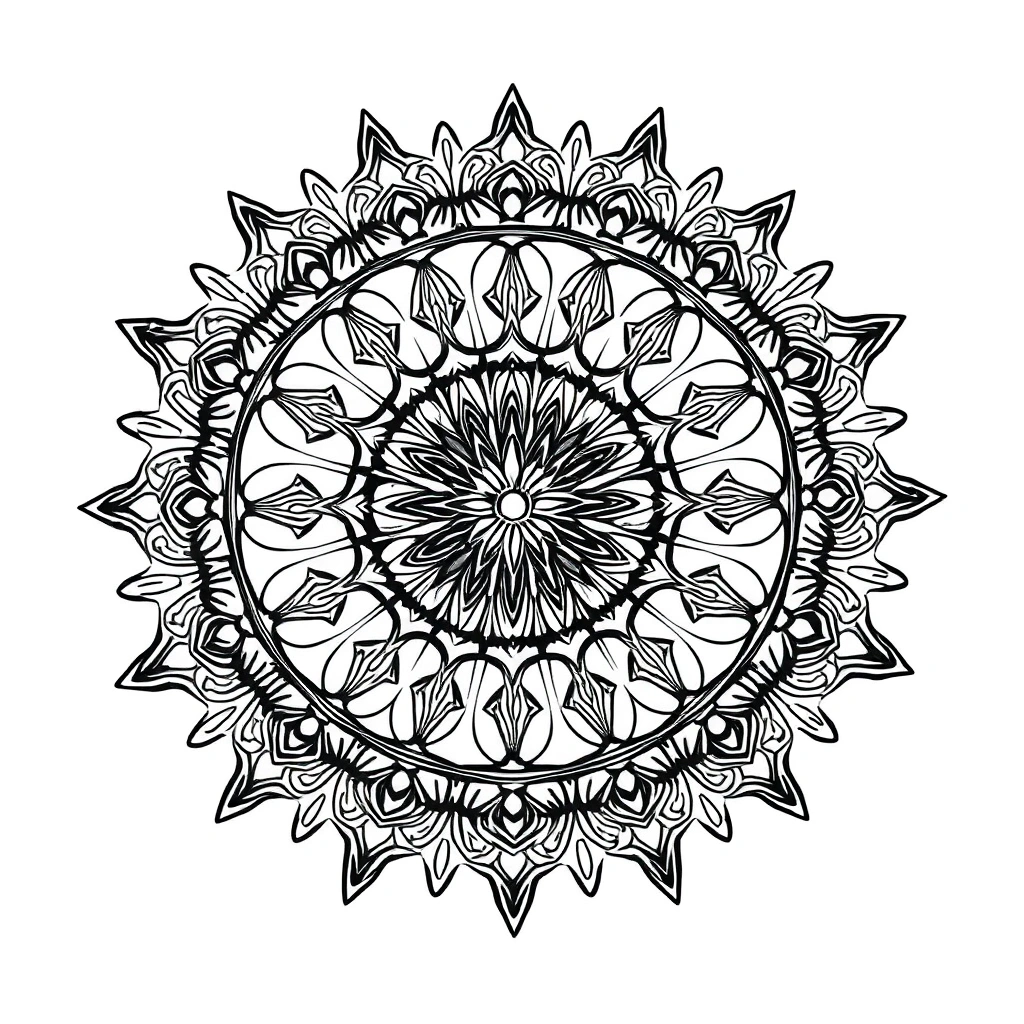
This mandala shows repetition, helping children learn the importance of repeating patterns in art.
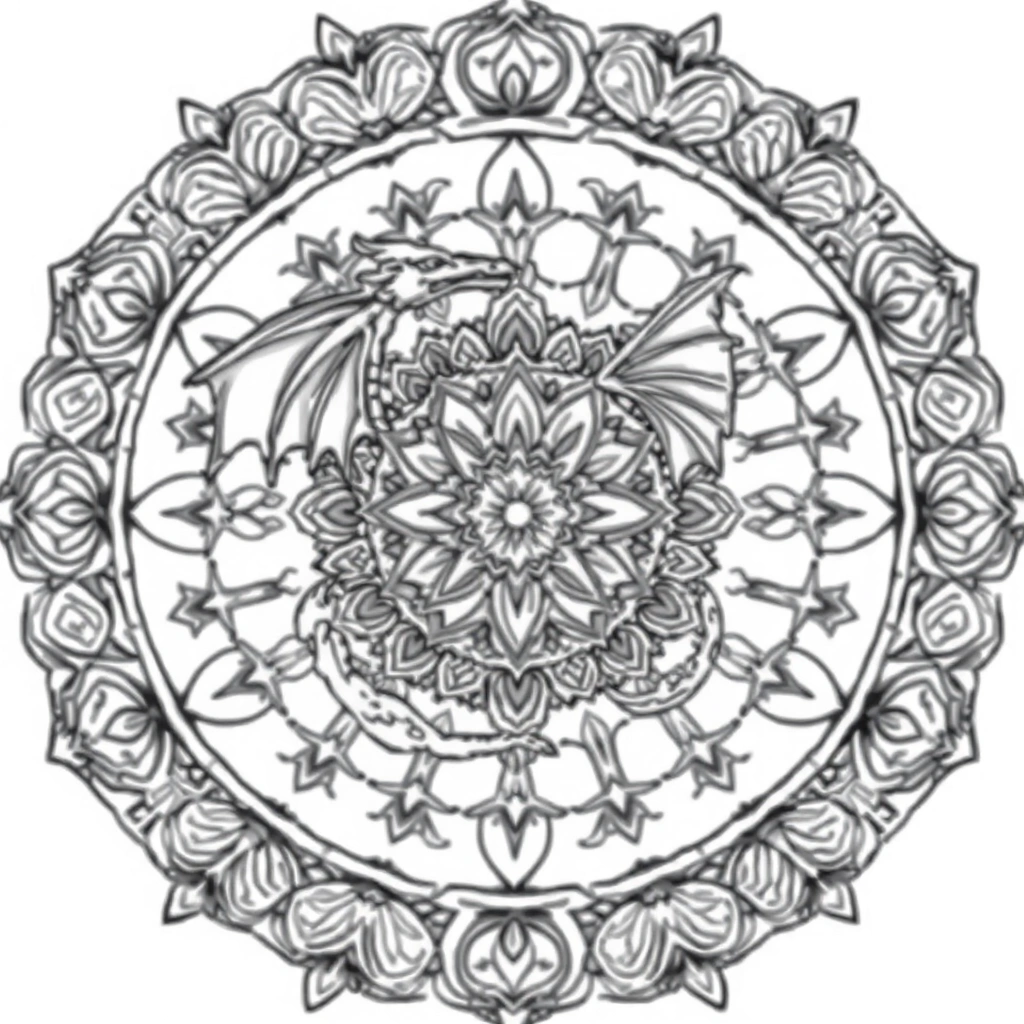
In this joyful scene, children can understand how art can express emotions and thoughts.
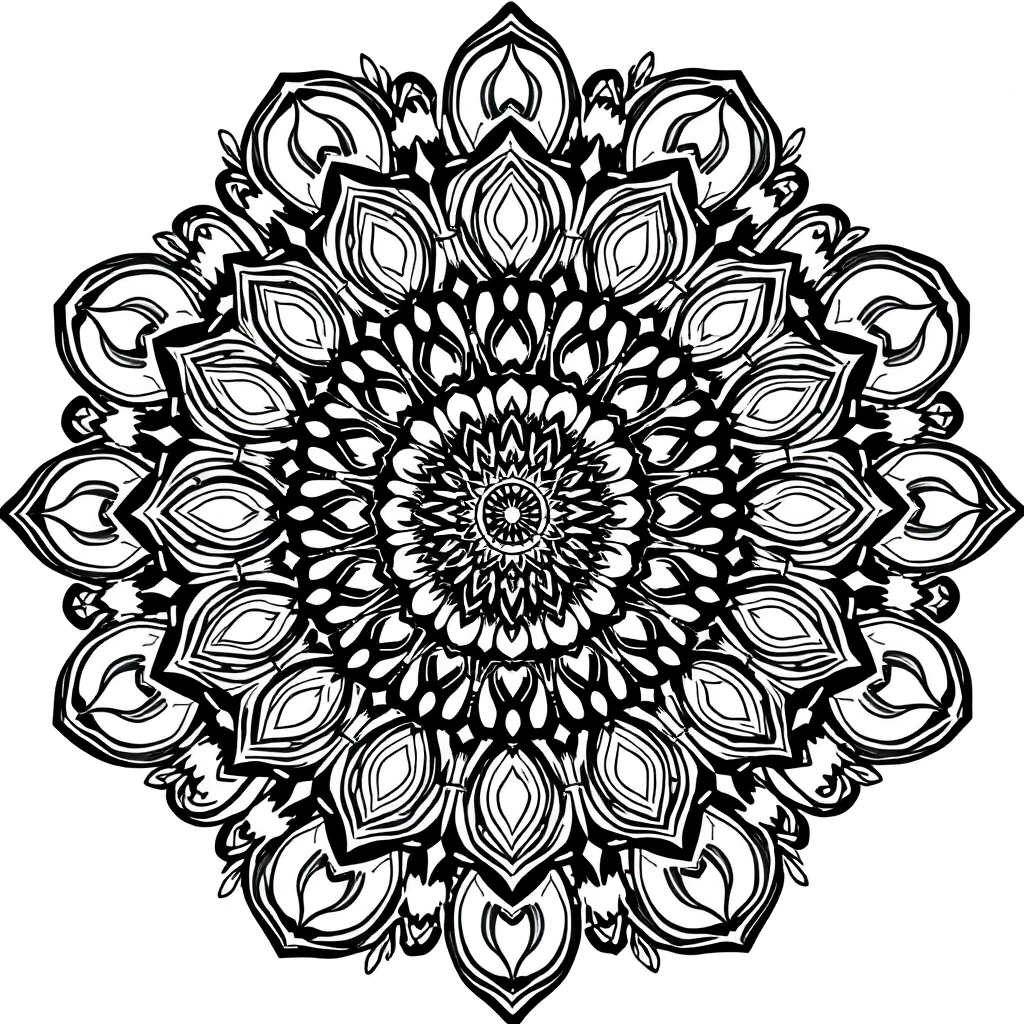
This image encourages children to share their colored mandalas with others, fostering social interaction.
Twelve mandala coloring pages move from leafy nature rings and geometric lattices to animal silhouettes, ocean waves, sun-and-moon duality, and a zen layout built for long, steady sessions. Each design radiates from a center point, so colorers naturally work outward and see balance appear stroke by stroke.
These sheets answer the search for “mandala coloring pages” — free printables for calm focus, art class symmetry units, or adult coloring at the kitchen table. Download one pattern or print a booklet of favorites.
Repetitive petals and wedges invite slow breathing: start at the hub, pick two or three colors, and repeat them in alternating sections. Younger artists may finish only the inner ring — that is still success. Teens and adults can gradient-blend the celestial or ocean mandalas for an hour of quiet.
Therapists and teachers often use mandalas before tests or after recess to reset attention. Keep the mood low-pressure: no required palette, no timer unless someone wants a playful race on the simpler flower ring.
Complementary pairs — blue and orange on the tribal ring, purple and yellow on the fantasy layout — make symmetry pop without dozens of pencils. Monochrome shading (three greens on the nature mandala) teaches value and depth. For holiday-themed rings, classic red-green-gold reads instantly festive; swapping in icy blue and silver creates a winter feel on the same lines.
Ask which colors feel calm versus energetic before starting. Matching music tempo to color speed is a simple mindfulness trick that keeps the activity feeling restorative rather than like homework.
After coloring a printed page, draw a light pencil circle and divide it into pizza slices with a ruler. Trace found objects — cups, coins, leaves — inside each wedge to build a personal design. Photocopy the best original for friends to color.
Compare printed mandalas to radial patterns in nature: sunflower heads, spider webs, sliced citrus. A quick color-wheel exercise (primary, secondary, tertiary) pairs well with the geometric sheet. Display finished work in a window circle so light passes through colored paper for a stained-glass effect.
Group coloring works beautifully here: each person colors one wedge of the same printed mandala, then tape sheets together for a large collaborative piece. Photograph the result for a digital wallpaper — symmetry looks striking even in phone-sized format.
The word 'mandala' comes from a Sanskrit word that means 'circle'.
In many cultures, mandalas are used in spiritual practices and rituals.
Coloring mandalas can be traced back to ancient civilizations, including those in India and Tibet.
Mandalas can help with meditation by bringing attention and awareness to the present moment.
Some therapists use mandala coloring as a way to help people express emotions and relieve stress.
People of all ages can enjoy coloring mandalas, making it a great activity for families.
Can't find the perfect page?
Type an idea like the ones above — or upload a photo — and ColorHippo turns it into printable line art in seconds.
15 free credits · No credit card
Your coloring page is downloading
Want a Mandala page made just for you?
Describe it and AI draws it in seconds — your first 15 credits are free.
Create a custom page